
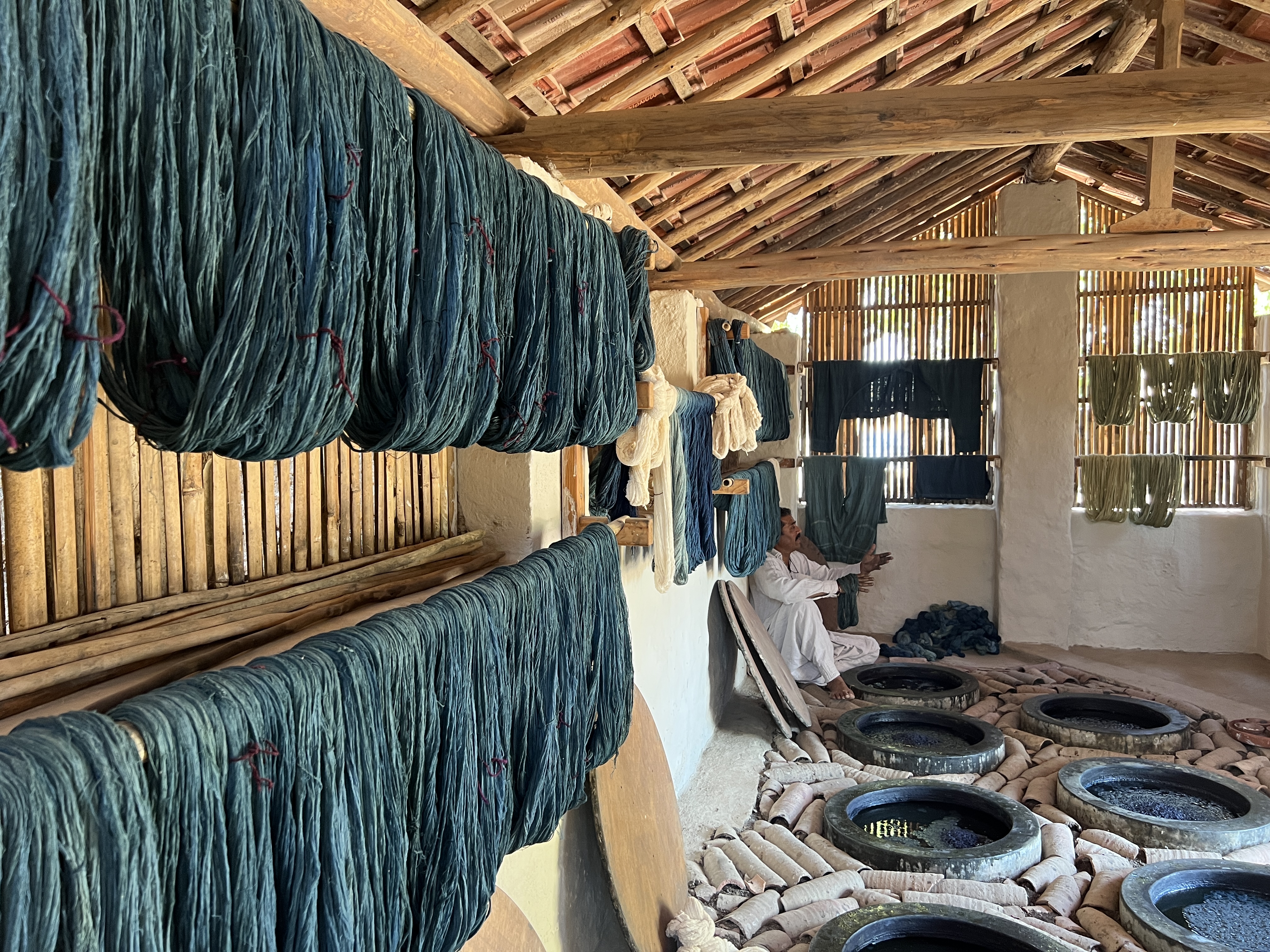
In the heart of India, amidst the cultural vibrancy & scenic landscapes, lies a treasure as old as time itself. It’s not gold, nor silver, but a hue that mesmerizes souls – Indigo, the “Blue Gold” of India.

Picture this: you’re walking through the vast expanse of arid landscape, under the watchful gaze of the sun, farmers tenderly nurture rows of Indigofera plants, their leaves swaying gently in the breeze like whispers from a bygone era. And then, like a spell being cast, these leaves undergo a magical transformation turning into an enchanting hue of desire blue.
Did you know? The name “Indigo” comes from the Greek word “indikon,” meaning “from India.”
Origin in India
More than 5,000 years ago, in the colorful lanes of ancient India, Indigo emerged as a revered commodity, earning its moniker – the Blue Gold. The saga of its origin intertwines with the very fabric of Indian history, tracing its roots back to the Indus Valley Civilization. Since Indus valley civilization India has been the forerunner in dyeing and printing techniques. Nestled amid the fertile plains, indigofera tinctoria, the humble indigo plant, first caught the eye of artisans & alchemists. With meticulous care, they cultivated this botanical marvel, unlocking its secrets to produce a pigment that changed the way the world saw Blue thereafter.
Did you know? In 1908, about 30,000 acres were dedicated to indigo cultivation.

Check out more artisanal indigo products at Jaypore.com.
A Colonial Commodity
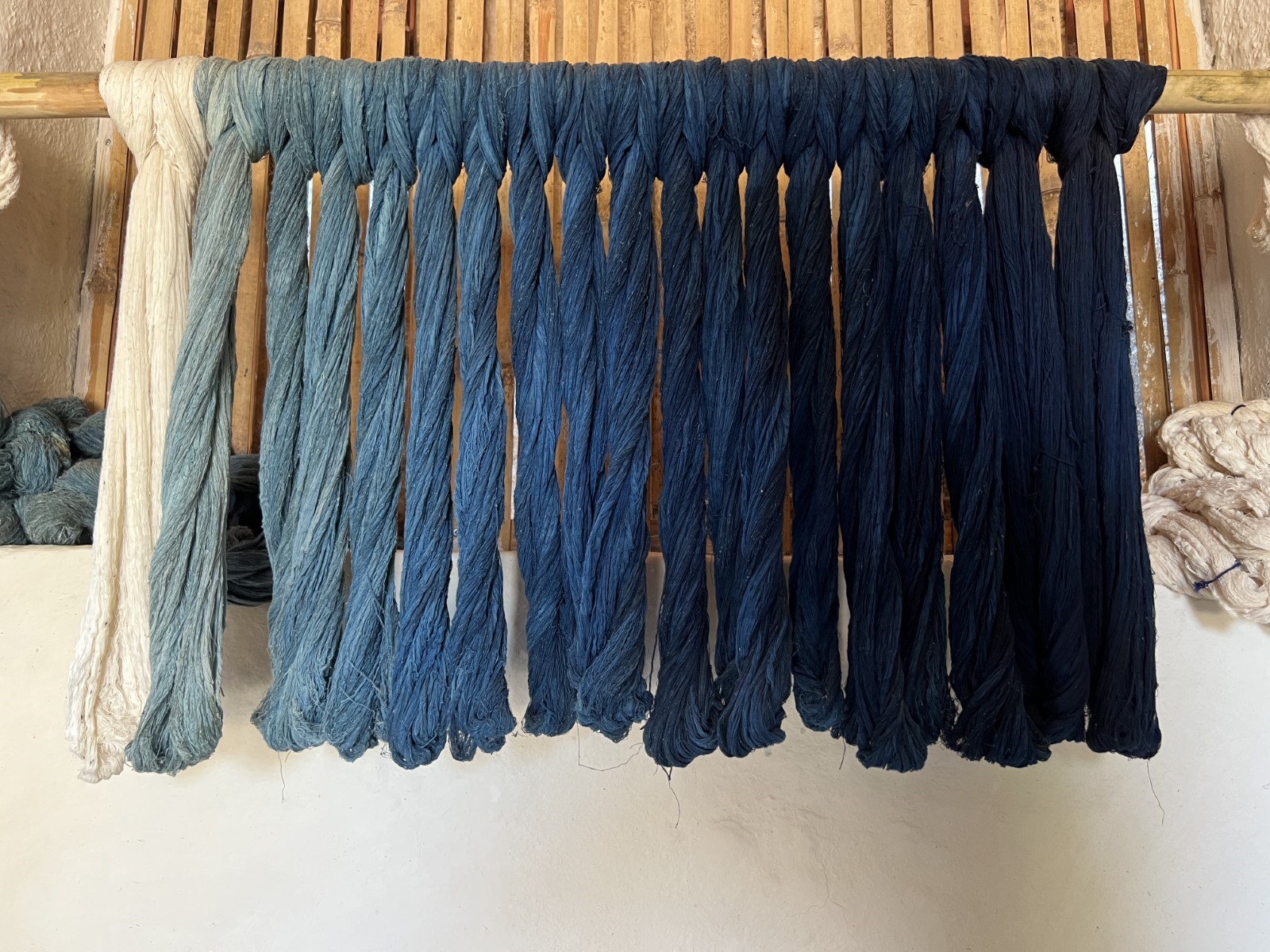
When the British set foot on the Indian mainland, their eyes were immediately drawn to one of the most sought-after commodities of the time: Indigo. This prized pigment was cultivated across various regions, from the Northern Gangetic plains to Sindh, from Sarkhej to the Deccan region, and along the enchanting east coast. However, it was in Biana, located approximately 50 miles northeast of Agra, where the finest quality of Indigo was meticulously produced, adding to its allure & demand.
Did you know? Kolkata port alone shipped 4,000 tons annually, coloring everything from Army uniforms to the Queen of England’s bed linens.
Process
Watch the making of Indigo here
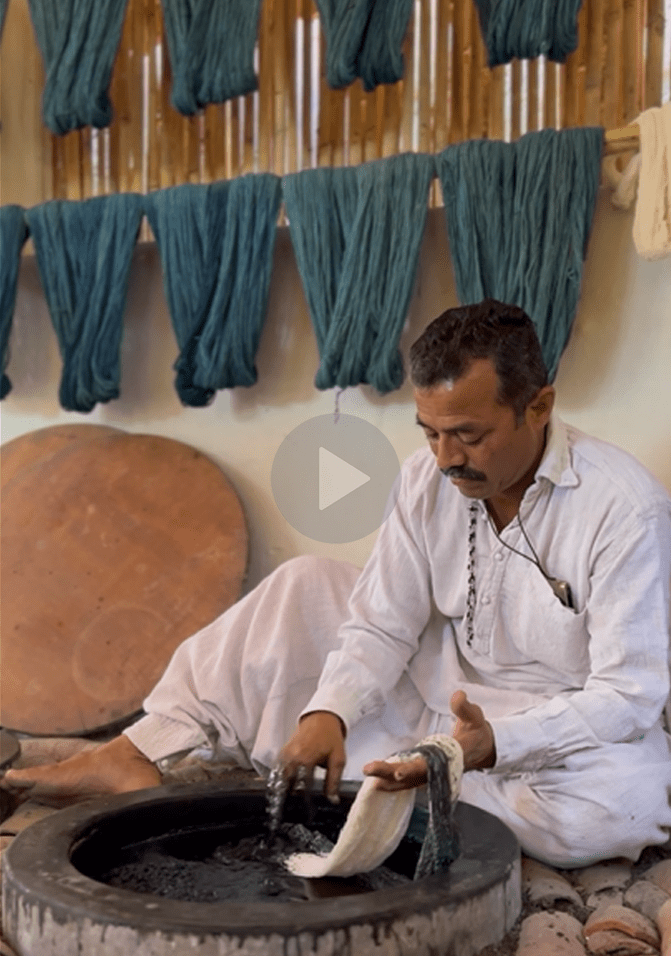
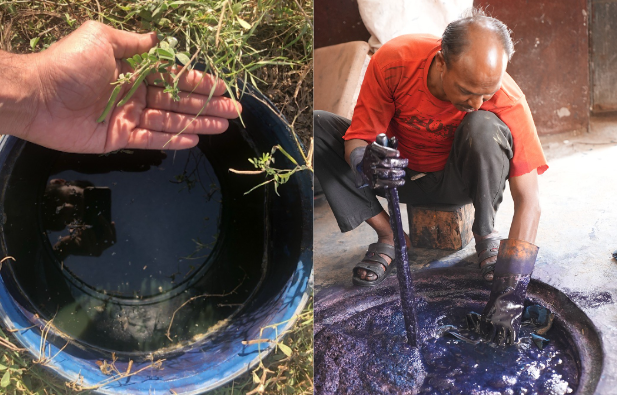
From leaf to dye, the journey of the world’s most coveted blue hue is no ordinary one. First, the harvested leaves are gently soaked in water & left under the moon’s watchful eye. As dawn breaks, a transformation begins. Pressed beneath the weight of a stone, the leaves release every drop of color to the water, turning it into Indican, a water-soluble blue chemical.
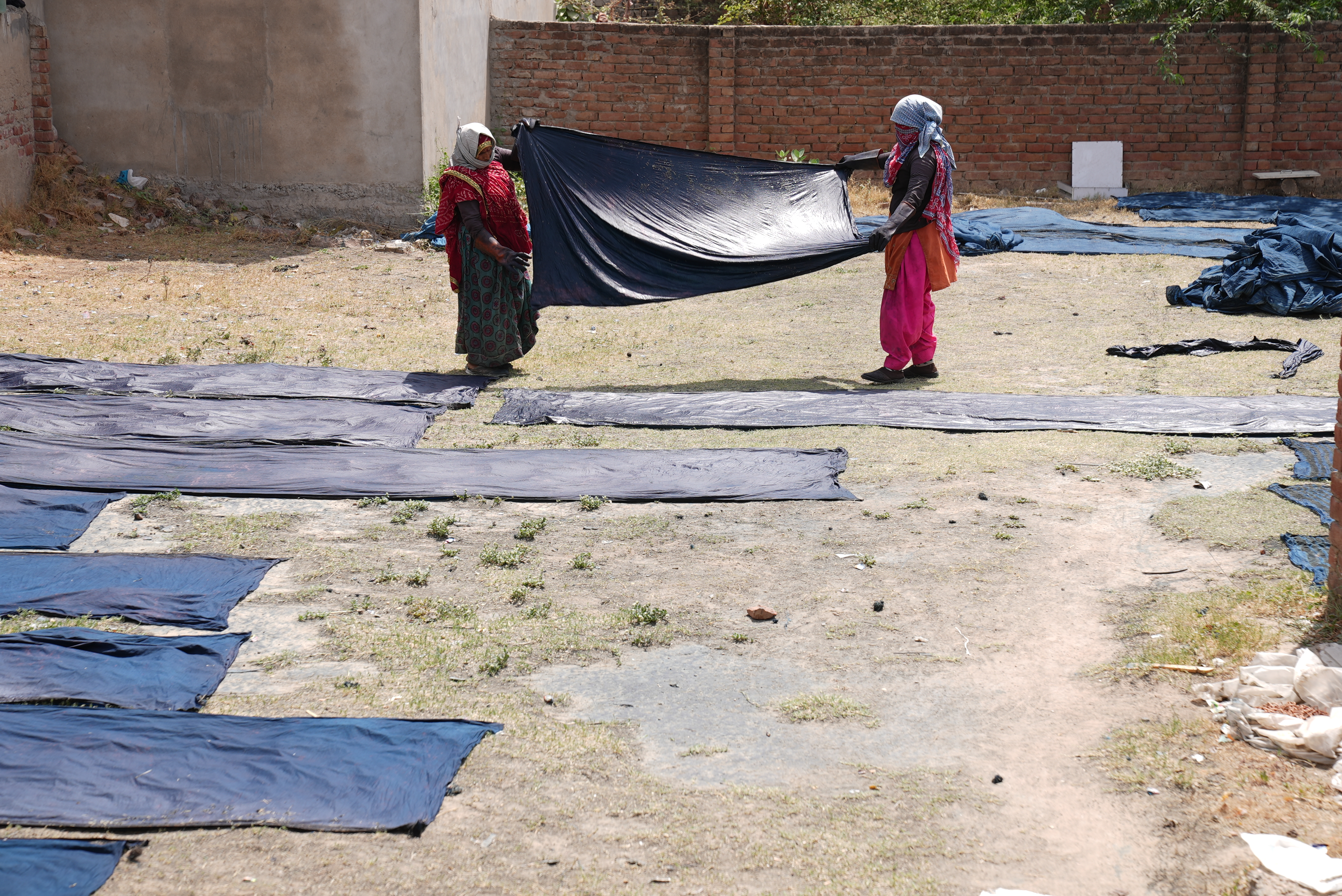
But here lies the twist in the tale. Indigo is not born in these bubbling waters; it merely whispers of its arrival. Once oxidized, Indican transforms into Indigotin, the true dye pigment. This pigment is insoluble in water, requiring a special dyeing technique to bind it to fabric.
Did you know? A harvest of 200kg of leaves yields just 1kg of indigo.

Challenges Faced by Artisans
Although indigo dye is celebrated for its deep blue hue and historical significance, the drawbacks of indigo cultivation, combined with the preference for cheaper chemical-based synthetic dyes, have led to its declining popularity of natural indigo.
Low Yield
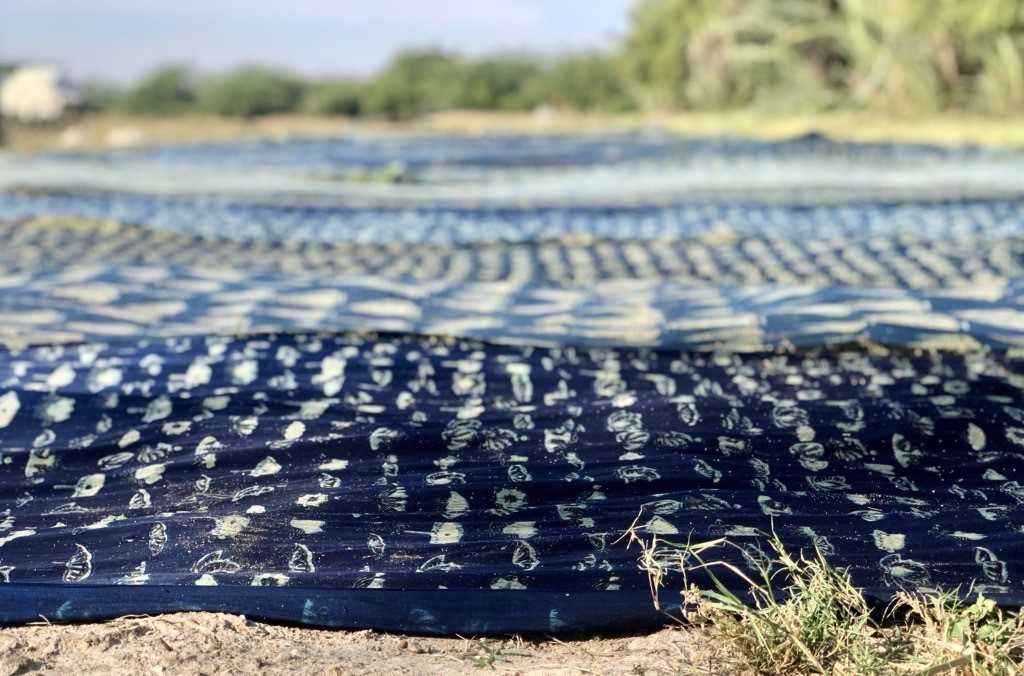
Indigo plants yield a relatively small amount of dye compared to other cash crops. Despite the significant effort and resources invested, the low yield makes indigo cultivation less economically viable, leading farmers to prefer more profitable alternatives.
Labour-Intensive Process
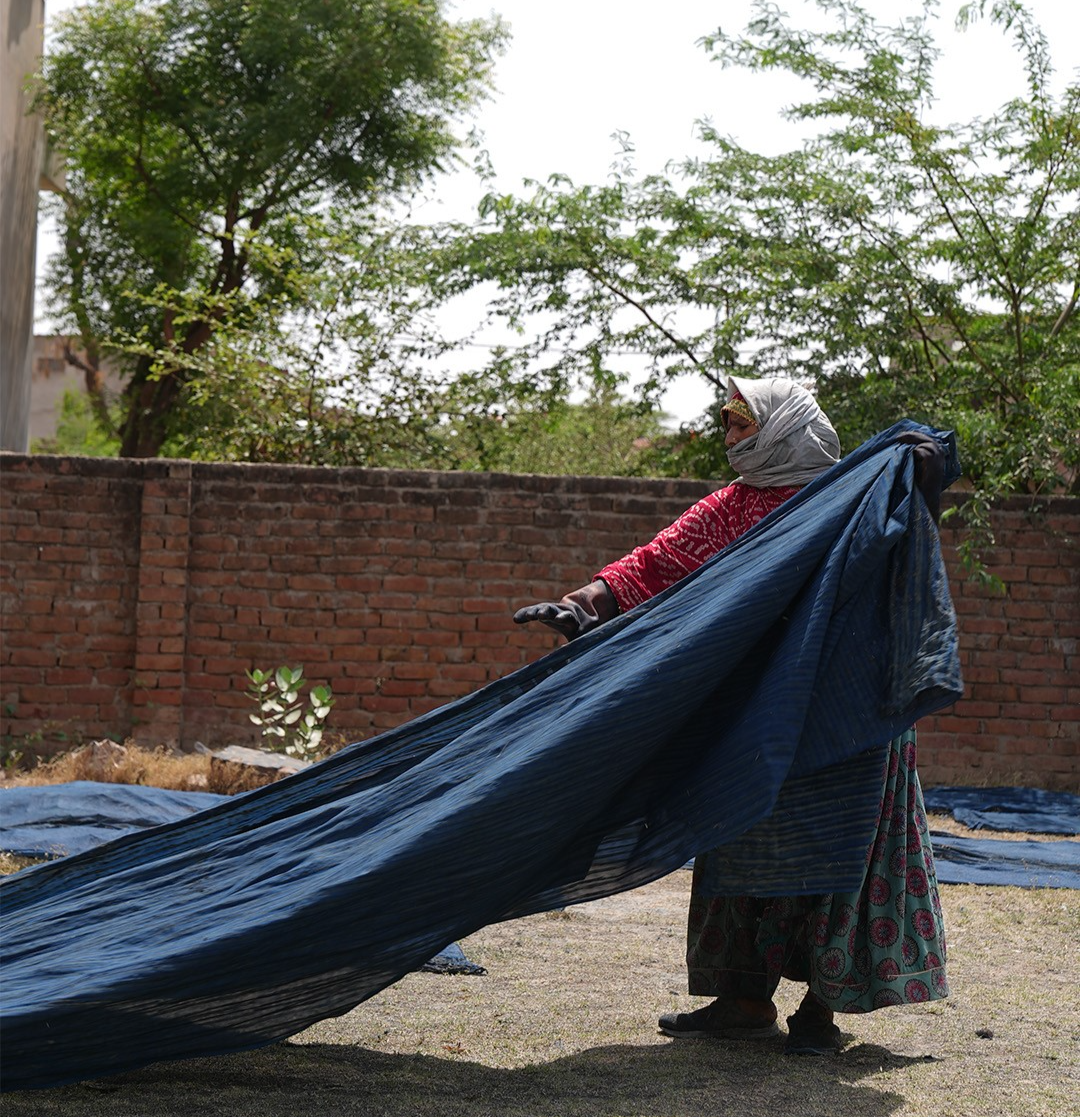
A major disadvantage of indigo cultivation is its labour-intensive nature. The entire growth cycle, from planting to harvesting, requires meticulous care & manual labor. It deeply relies on human hands & makes indigo cultivation time-consuming and costly, unlike many other crops.
Synthetic Dye Competition
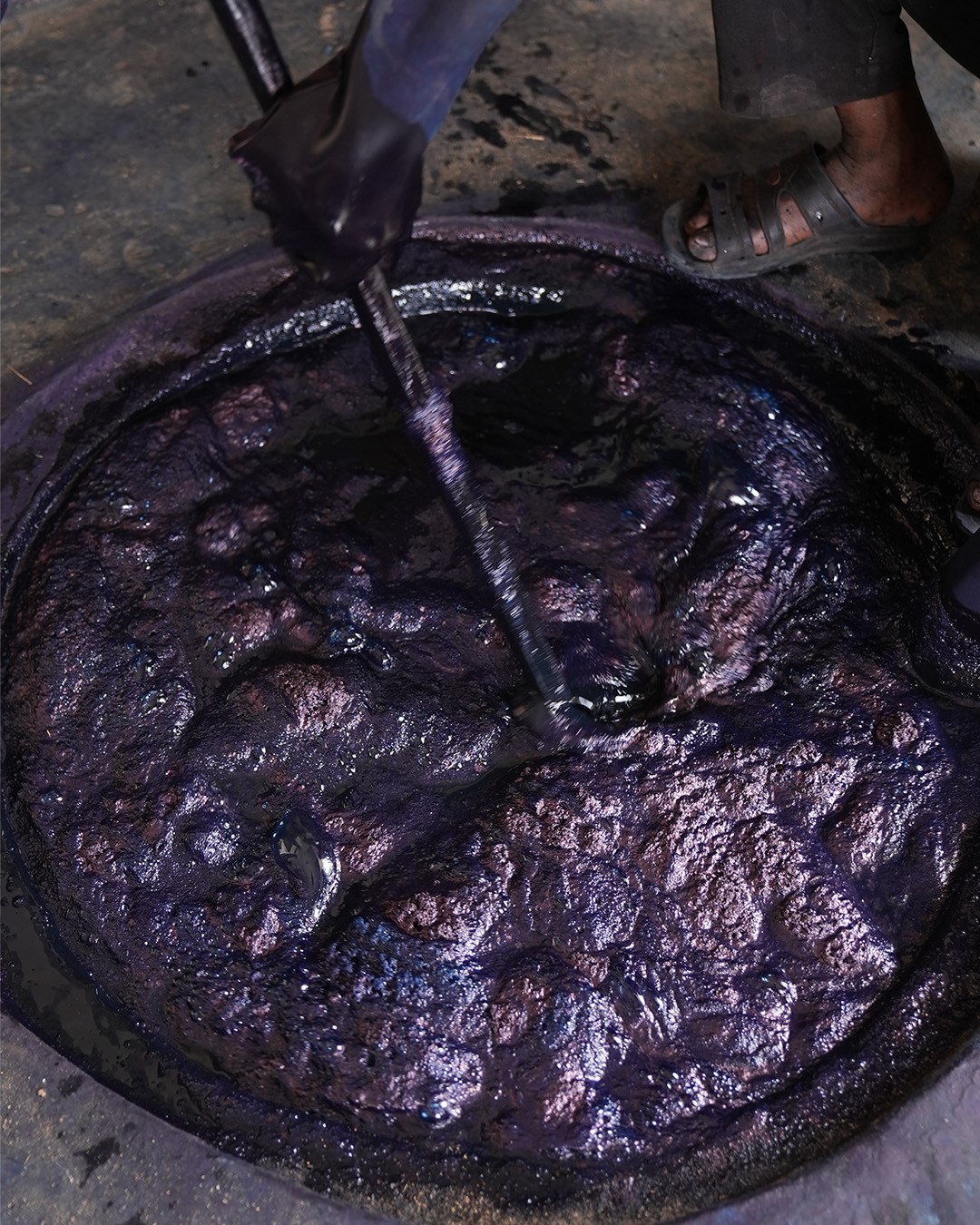
The rise of synthetic dyes has greatly impacted natural indigo cultivation. Synthetic indigo, developed in the late 19th century, is more cost-effective and efficient to produce, leading to its widespread adoption in the textile industry and a sharp decline in demand for natural indigo.
Seasonal Limitations
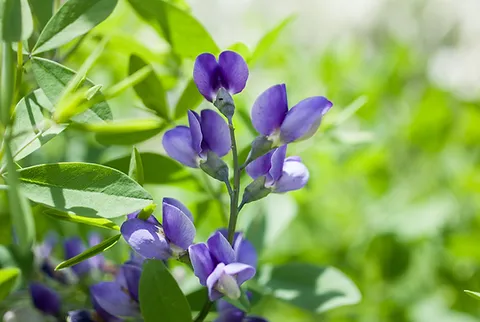
Indigo cultivation is limited by seasonal constraints, thriving mainly in warm, tropical climates with well-defined rainy and dry seasons. This restricts its cultivation to specific regions and can limit farmers’ income opportunities.
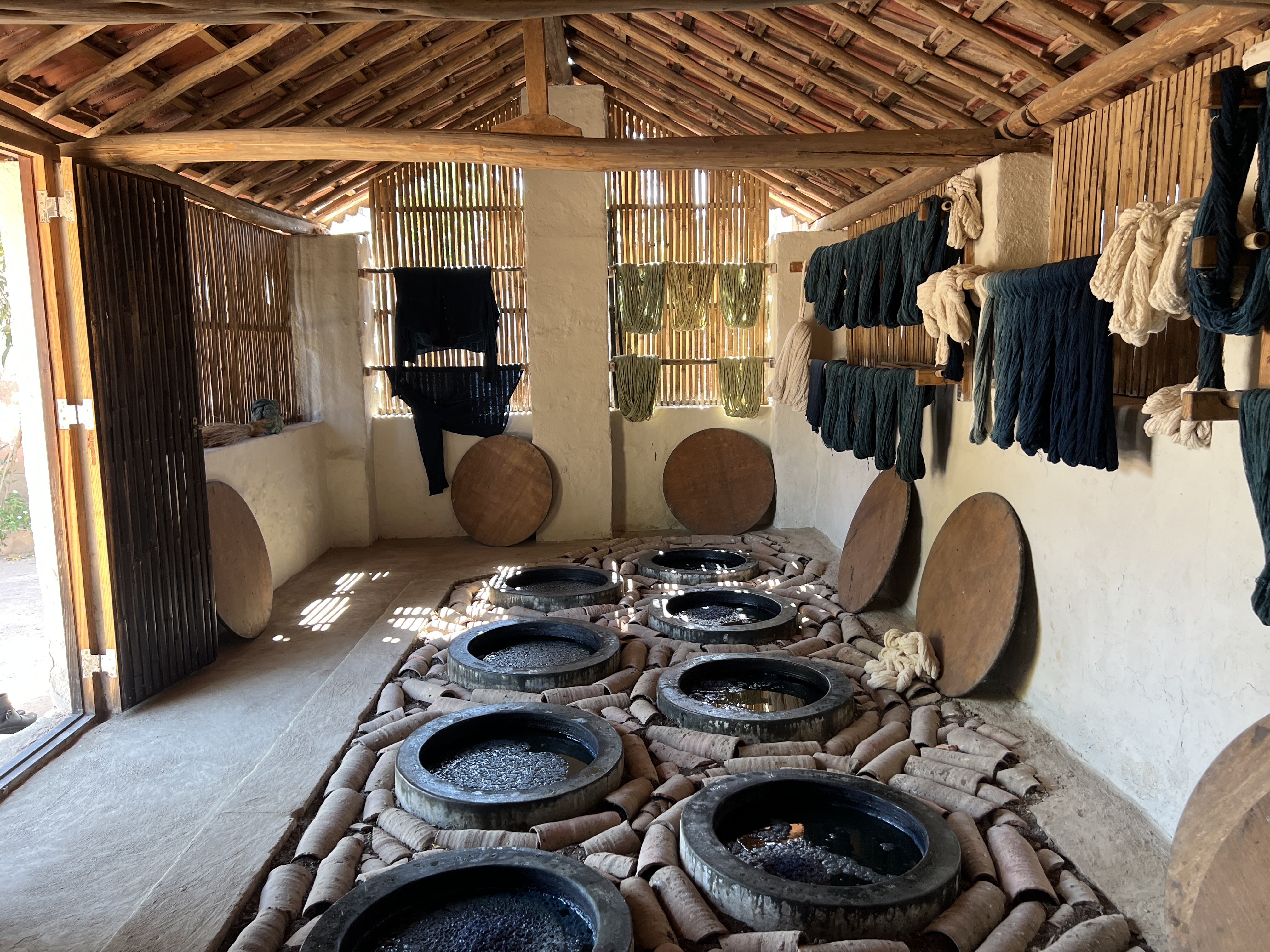
Indigo, the Blue Gold, transcends mere commerce; it is a symbol of India’s rich heritage, weaving together threads of tradition and innovation. So, the next time you don a garment dyed in shades of indigo, remember the journey it undertook. For in its threads, lies not just color, but the essence of a timeless tale – the story of India’s Blue Gold.



 Storytellers of Wonder
Leave a comment