
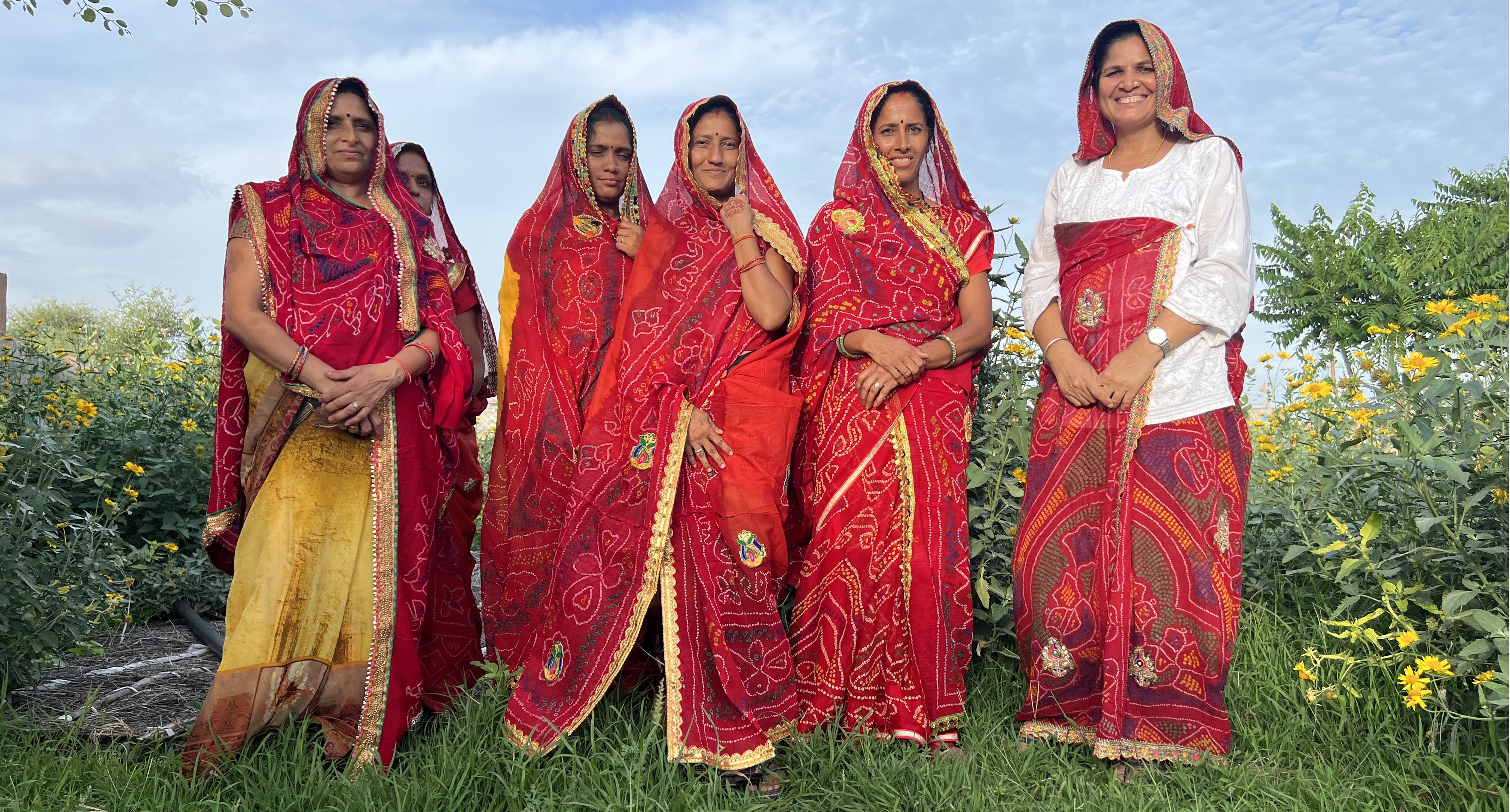
Imagine yourself in a vibrant workshop, surrounded by swirling colors & boundless creativity, where each fold, twist & dye bath holds the promise of a masterpiece waiting to be born. Welcome to the world of tie-dye!
Tie & Dye, an age-old technique celebrated for its vibrant hues & intricate patterns, has adorned fabrics and garments across cultures for centuries. This resist dyeing technique is more than just a fashion statement – it’s an ancient art form with a rich history & vibrant cultural significance. Let’s dive in and explore the colorful world of tie-dye with us!
Tie & Dye Through History
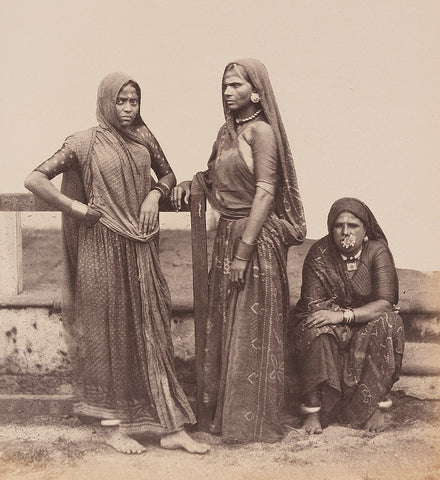
Lohana women ca. 1855-1862 (Credits: SMU Central University Libraries)
Tie & Dye has roots dating back to ancient civilizations such as India, Japan, and Africa. It was a way to add life & personality to plain fabrics, turning them into unique pieces of art. From Shibori in Japan to Bandhani in India, each culture has its own techniques and styles, making Tie & Dye a rich craft of tradition and innovation.
From Pharaohs to Fashionistas
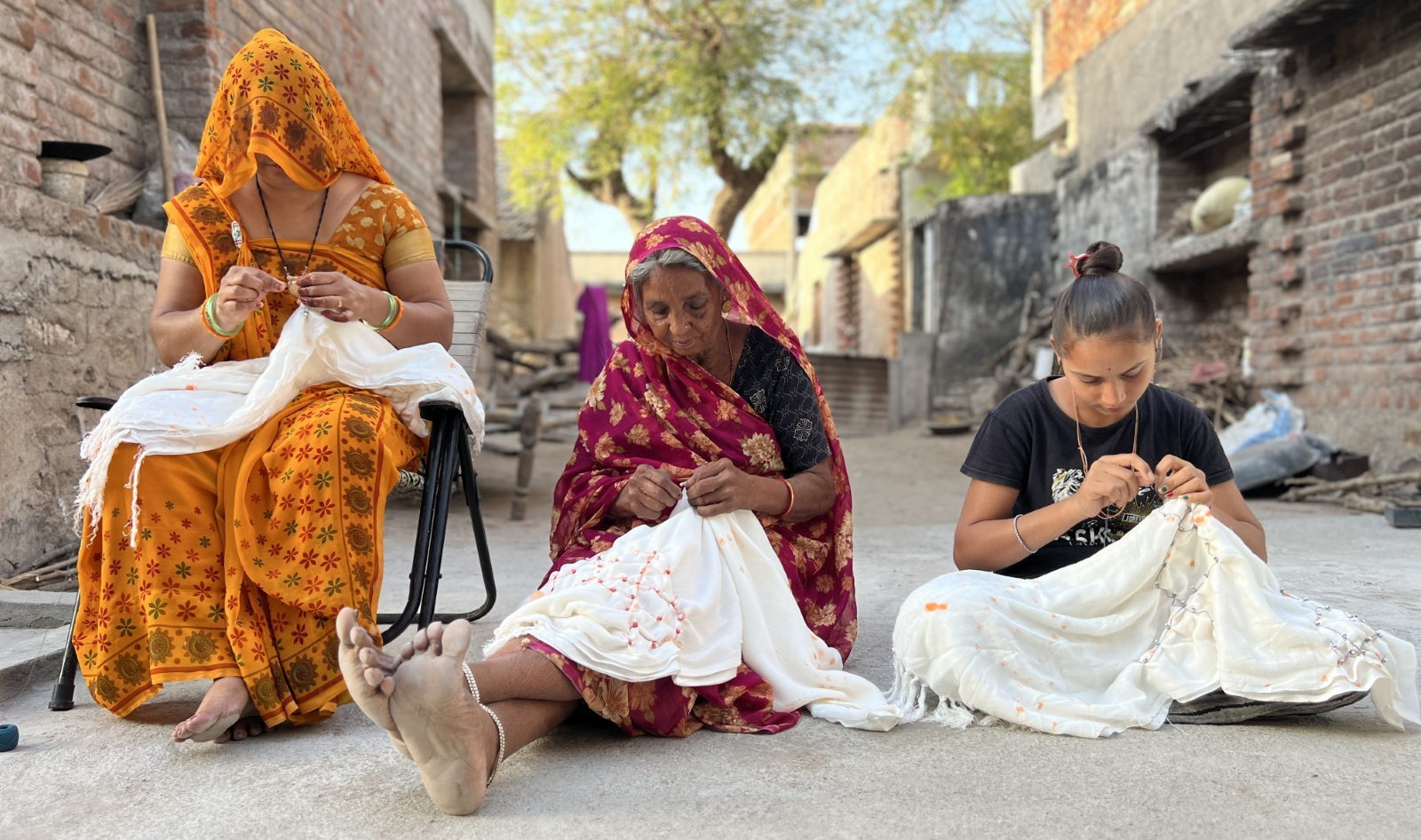
Originating around 5000 years ago in the vibrant states of Rajasthan & Gujarat, the ancient art of “Bandhani” or Indian Tie & Dye is one of its oldest crafts that holds sway over hearts. Colorful dyes in India have woven tales of significance for millennia. Back then, our ancestors marveled at the natural hues extracted from plants, leaves & flowers.
The Magic Behind the Swirls
Have you ever wondered how those vibrant tie-dye creations come to life? The basic principle of tie-dye is simple: you manipulate fabric to create resist patterns, then apply dyes to achieve stunning color combinations. Here’s a quick rundown of the process:
Get your tie on
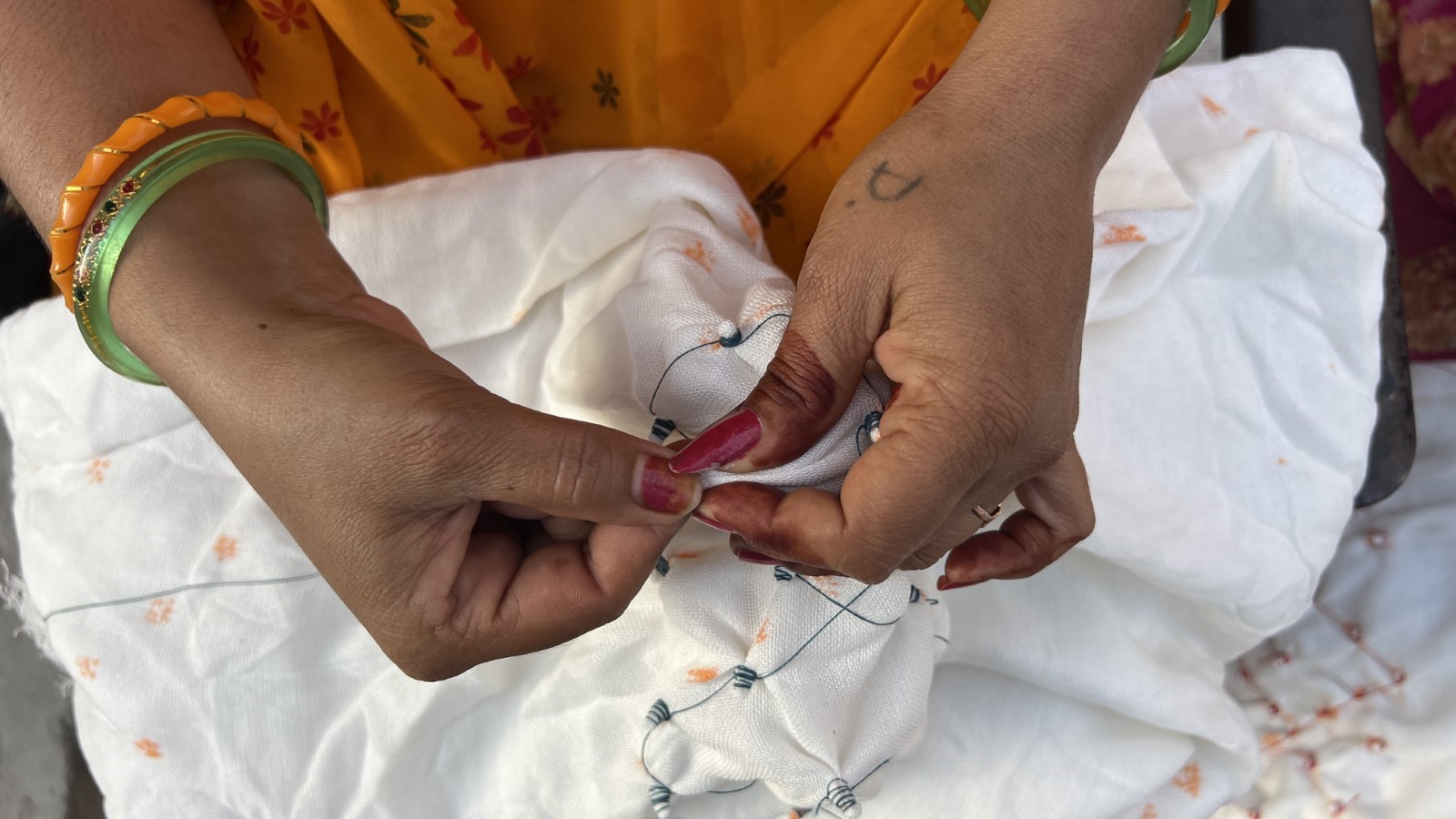
Rubber bands, string & even marbles can be used to create different resist patterns. Twisting and binding fabric in a spiral shape creates mesmerizing concentric circles & patterns. The tighter you bind the fabric, the less dye it will absorb, resulting in lighter areas.
Dye hard
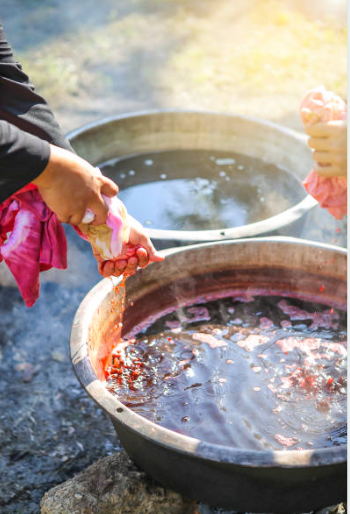
Color is the soul of Tie & Dye, breathing life into every twist & turn of the fabric. Using vibrant natural dyes, experiment with different application techniques like dipping, spraying or squirting for a kaleidoscope of effects.
The big reveal
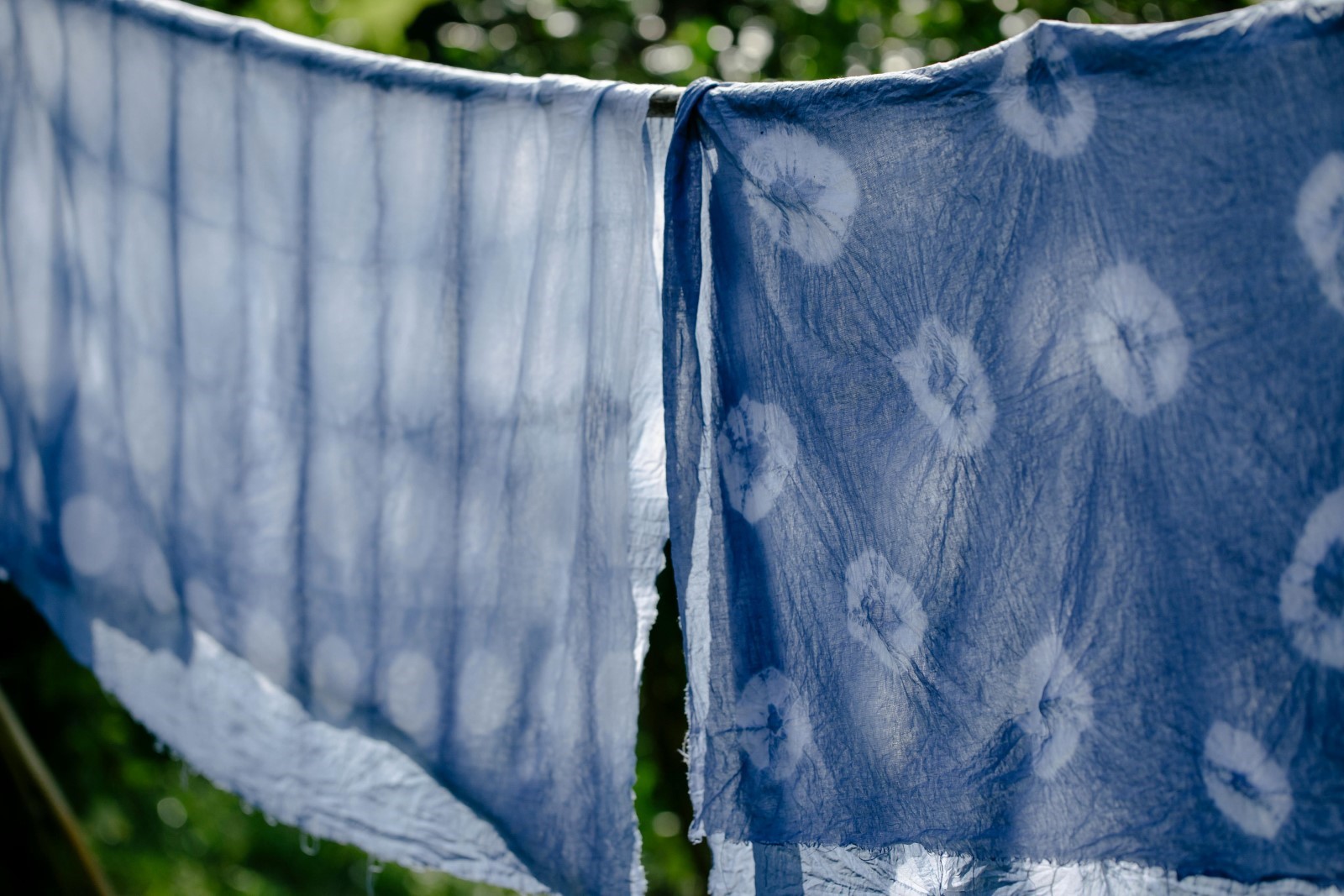
Untie the fabric, rinse it out & prepare to be amazed!
A Celebration of Indian Craftsmanship
India boasts a rich heritage of tie-dye techniques, each with its own distinct style:
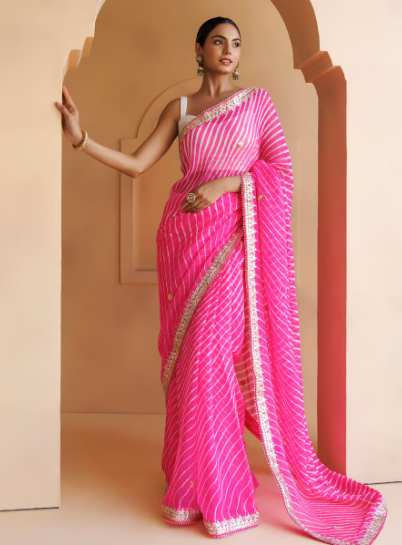
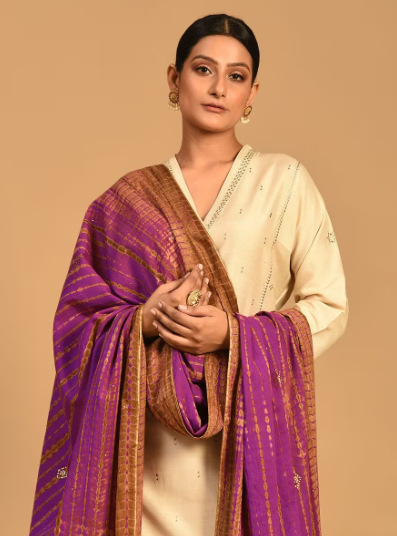
Leheriya: Imagine colorful waves cascading down a fabric – that’s Leheriya! Derived from the Hindi word “lehar,” meaning wave, this traditional tie-dye technique from Rajasthan uses diagonal folding and stitching to create mesmerizing waves. Lightweight fabrics like cotton or silk are chosen for their ability to absorb dyes well and drape beautifully. For decades, Leheriya has remained a symbol of Rajasthan’s rich cultural heritage even today.
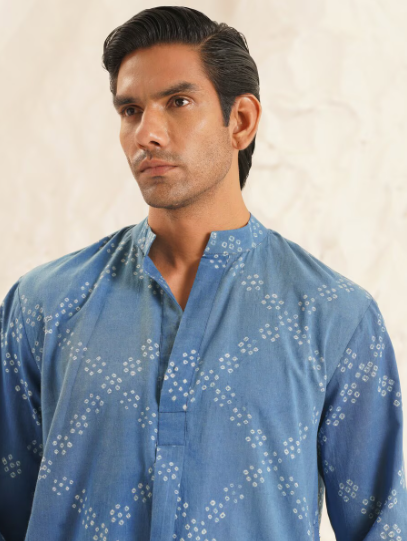
Bandhani: Delicate patterns of tiny dots and intricate designs come together in Bandhani, also known as Bandhej. The term “Bandhani” comes from the Sanskrit word “Bandh,” which means to tie. This art form from Gujarat and Rajasthan involves picking portions of the fabric with a pointed metal instrument or fingernails and tightly tied with thread. These tied sections form intricate patterns of tiny dots and then dipped in dye baths. Once dried, the threads are carefully untied, revealing the unique Bandhani patterns.
Shibori: Shibori, a millennium-old Japanese resist dyeing technique, derived from the verb “shiboru” involves folding and binding fabric before dyeing to create intricate patterns. While Shibori originated in Japan, its techniques have found beautiful expression in India, especially through variations like Mohenjodaro Indigo. The Indian adaptation of Shibori has gained popularity for its vibrant patterns and the deep cultural connection to indigo dyeing, which has a long history in India.
The Colors of Challenge: Supporting the Artisans
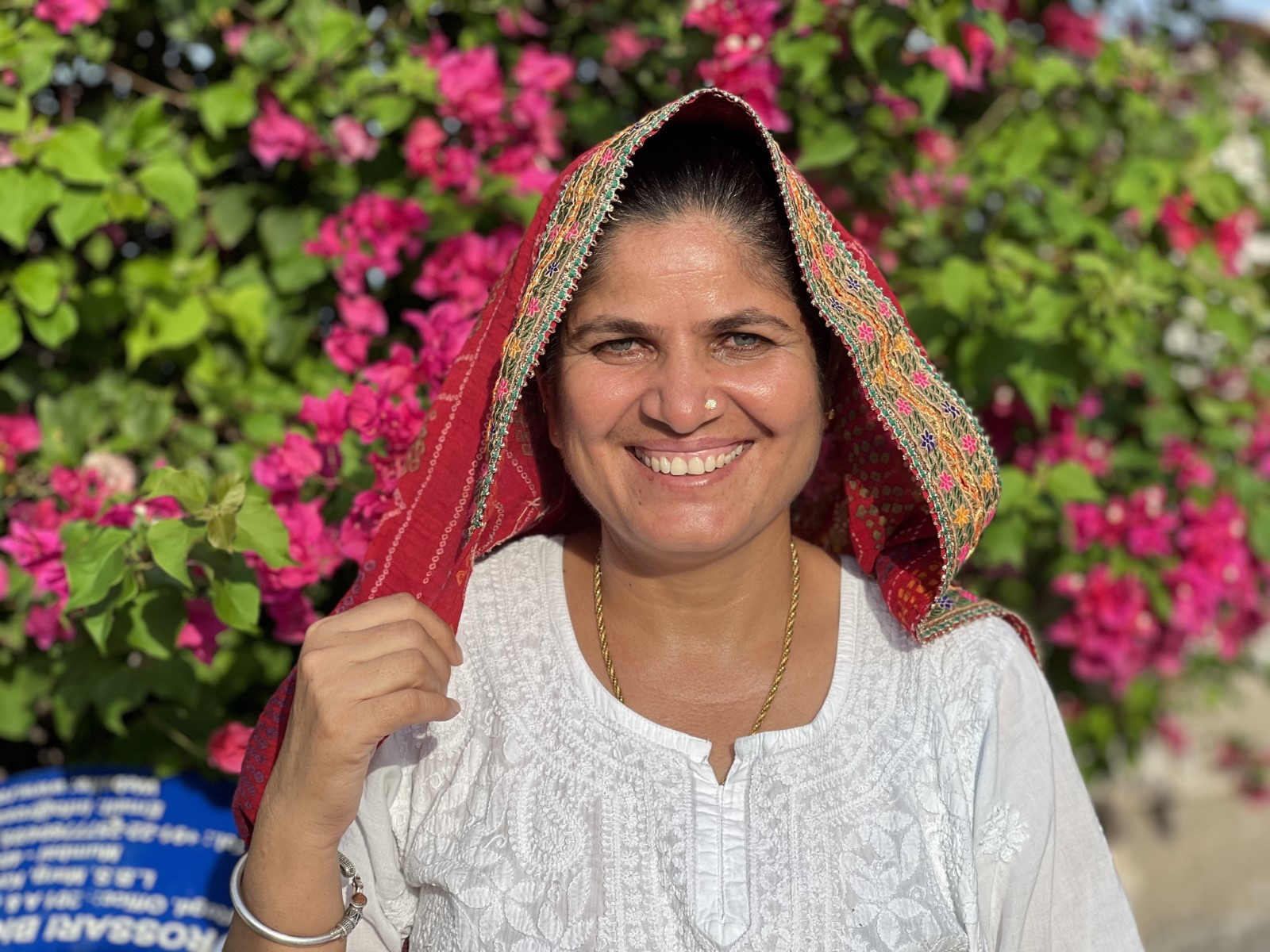
Despite its vibrant legacy, the lives of Indian tie-dye artisans can be challenging. Here’s a closer look at the issues they face:
Stiff Competition: The market is flooded with machine-made imitations that are often cheaper but lack the unique character and quality of handcrafted pieces.
Harmful Chemicals: Some manufacturers use harsh chemicals in the dyeing process, which can be detrimental to the artisans’ health & to the environment.
So the next time you want to lock your eyes with a vibrant piece, look for handcrafted tie-dye products from Jaypore. Opt for eco-friendly tie-dye options that are made with natural dyes like indigo, turmeric, and pomegranate rinds. These dyes are not only better for the environment, but they also create beautiful, earthy tones.

Tie-dye is more than just a craft; it’s a vibrant expression of human creativity that transcends time & cultures. By understanding its history, appreciating the skill of the artisans, and making conscious choices, we can all help ensure this colorful art form continues to thrive for generations to come.

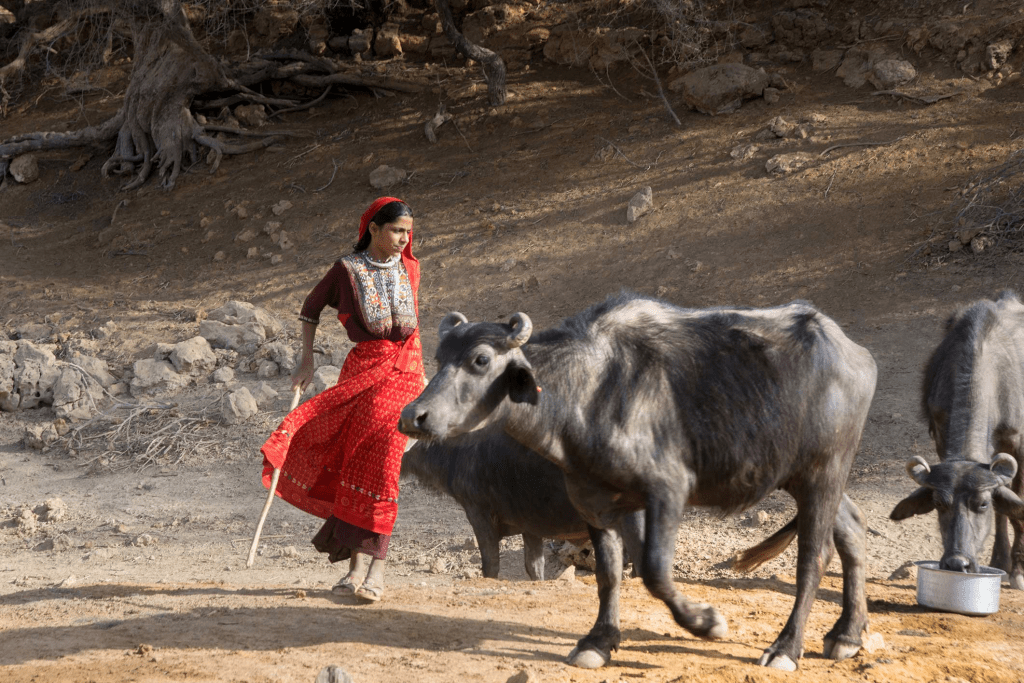
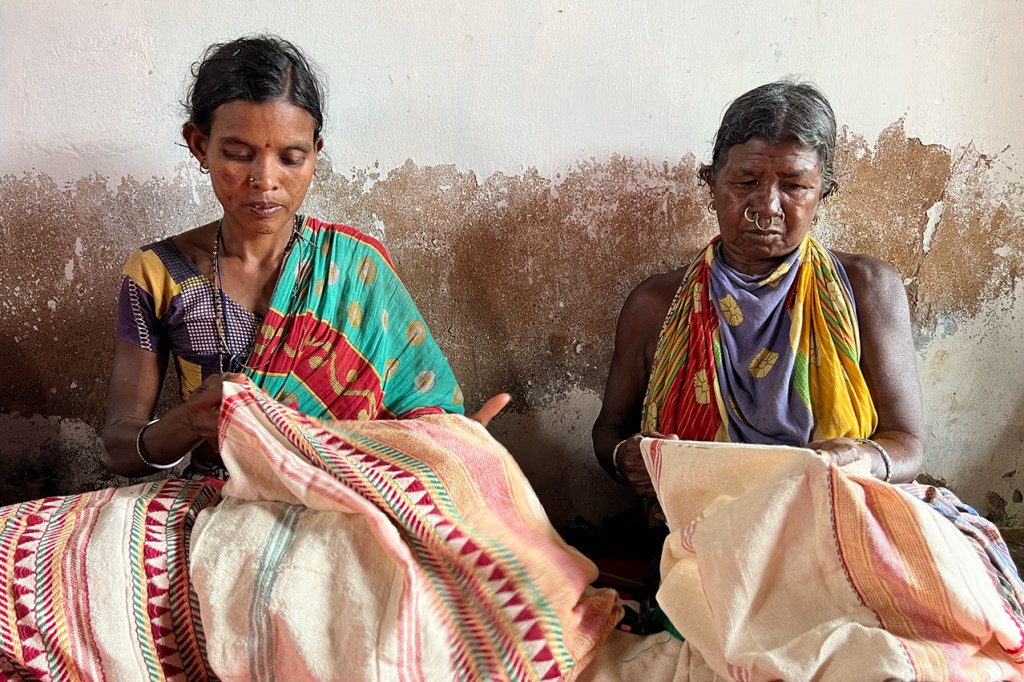

 Storytellers of Wonder
Leave a comment