
Look around you- look at the way the river flows meandering through rocks & bends, look at the linings of a leaf, look in the mirror, where every line & mark reflects a journey filled with experiences. If you look closely, you’ll find that there’s beauty in imperfections & embracing those flaws is nothing less than art, just like the Japenese concept of Kintsugi, showing us that imperfections make something even more precious & unique.

It’s in those imperfections that the real magic of Shibori & Dabu lies. The dye might bleed slightly beyond its intended borders, or the pattern may have unexpected sharp edges, but that’s where its beauty shines. These irregularities are what make every piece one-of-a-kind, a reflection of the artisan’s hand & the organic process of creation. Much like nature’s subtle imbalances, each twist, fold & knot is a symbol of letting go- embracing the unknown & allowing the process to create beauty in its own imperfect way. The unpredictability in the patterns is a reminder that perfection isn’t the goal. Instead, it’s the journey of creating something that holds its own unique charm, much like how we live our lives- beautifully imperfect!
The Art of Shibori

In the land of cherry blossoms & ancient mountains, Shibori was born- a Japanese dyeing technique that transforms fabric into intricate patterns. Artisans would twist & bind fabric, then dip it into dye, creating unique & unpredictable designs. Shibori began over a thousand years ago during Japan’s Nara period (710-794 CE), when it symbolized both status & artistry.
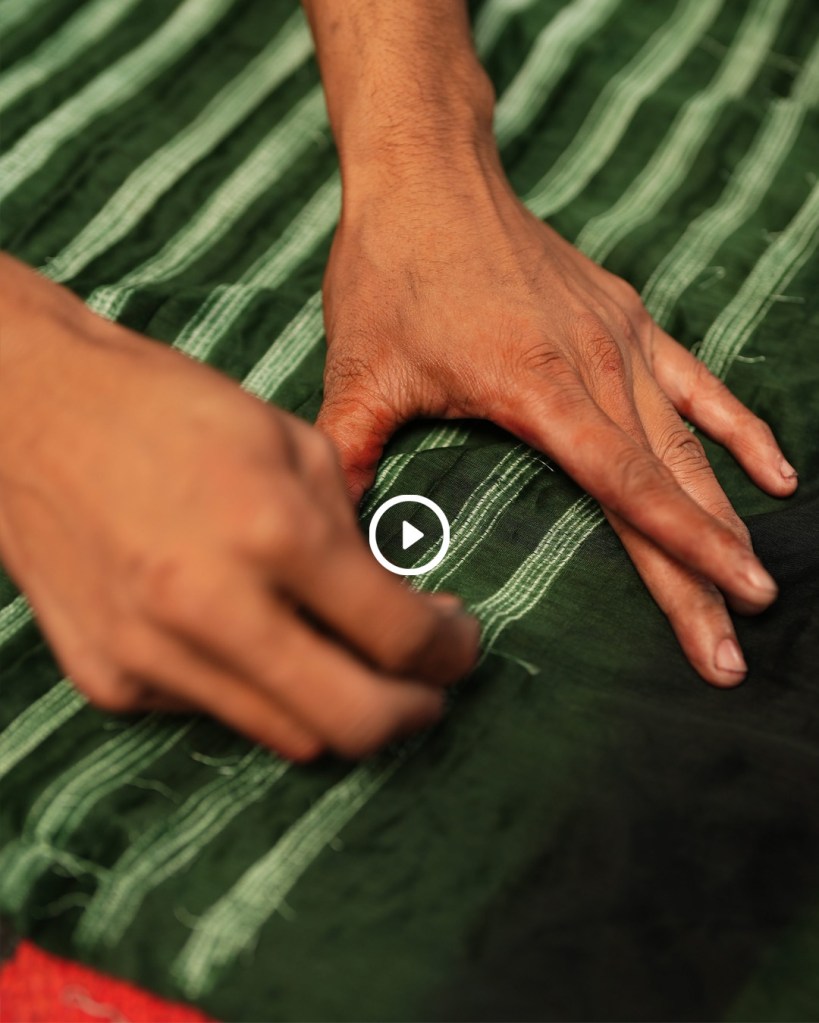
Shibori eventually traveled to India, where it blended with traditional Tie & Dye crafts like Bandhani & Leheriya. Artisans in Rajasthan embraced the technique, merging it with their rich heritage to create patterns that celebrate the beauty of imperfections.
The Process: A Dance of Creation
Every piece of shibori is a narrative woven through a meticulous process. Let’s walk through this enchanting journey together:
Choosing & Preparing the Fabric
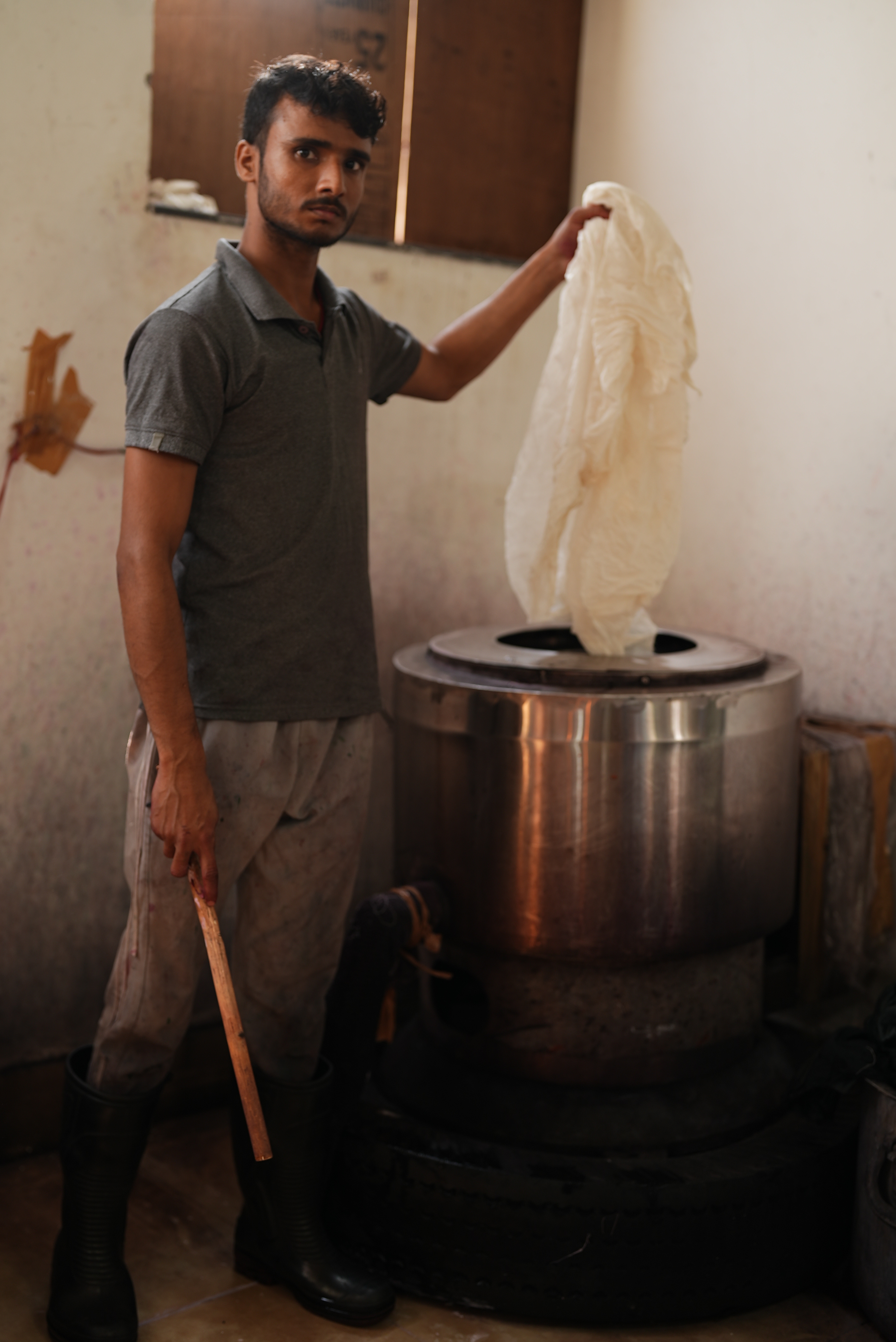
Imagine soft cotton or luxurious silk, your blank canvas for this journey. Once the fabric is washed, it’s ready to leave behind old tales & begin anew.
Creating the Design
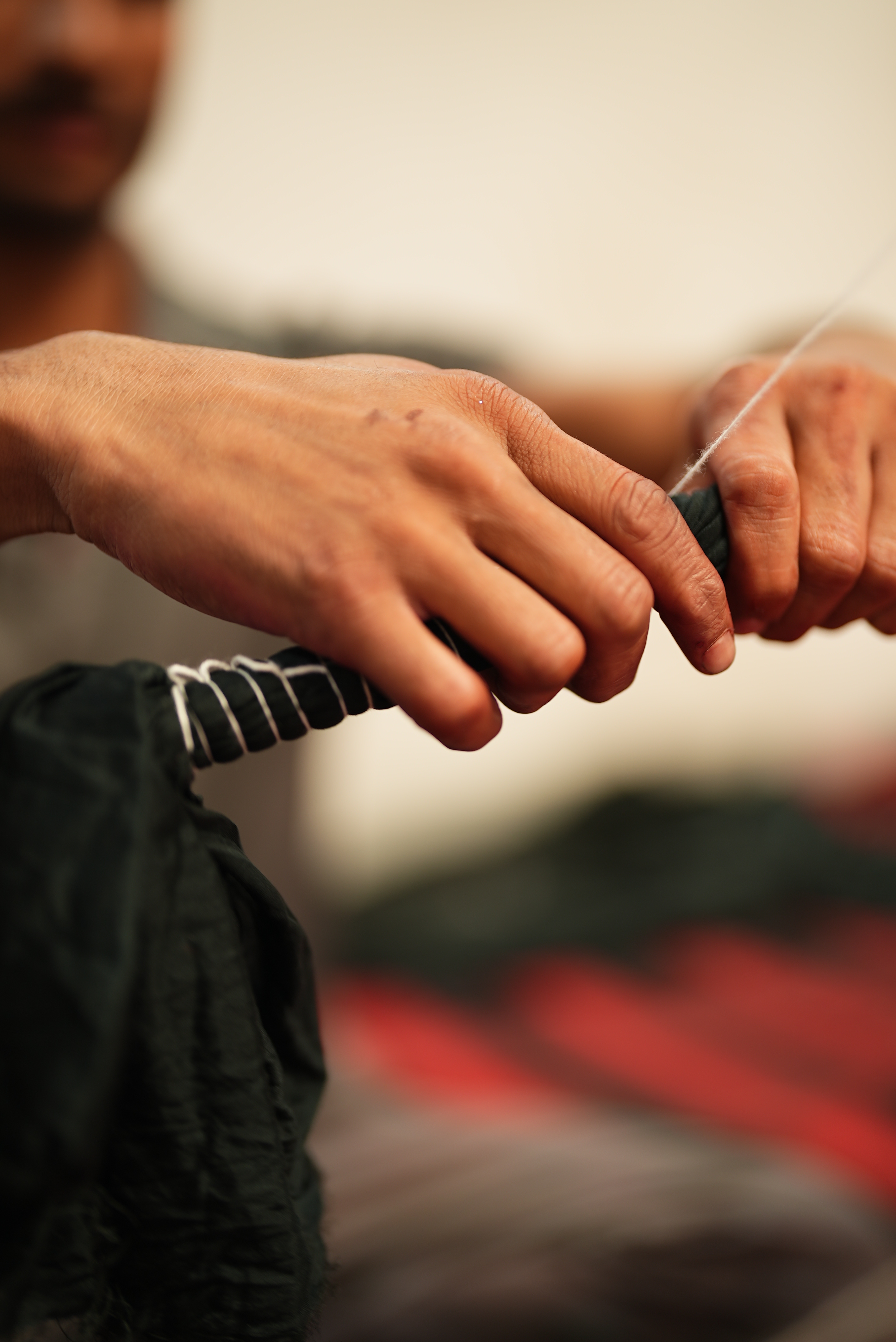
Here comes the fun part! Artisans skillfully tie, fold & stitch the fabric, adding suspense to the story.
Dyeing the Fabric
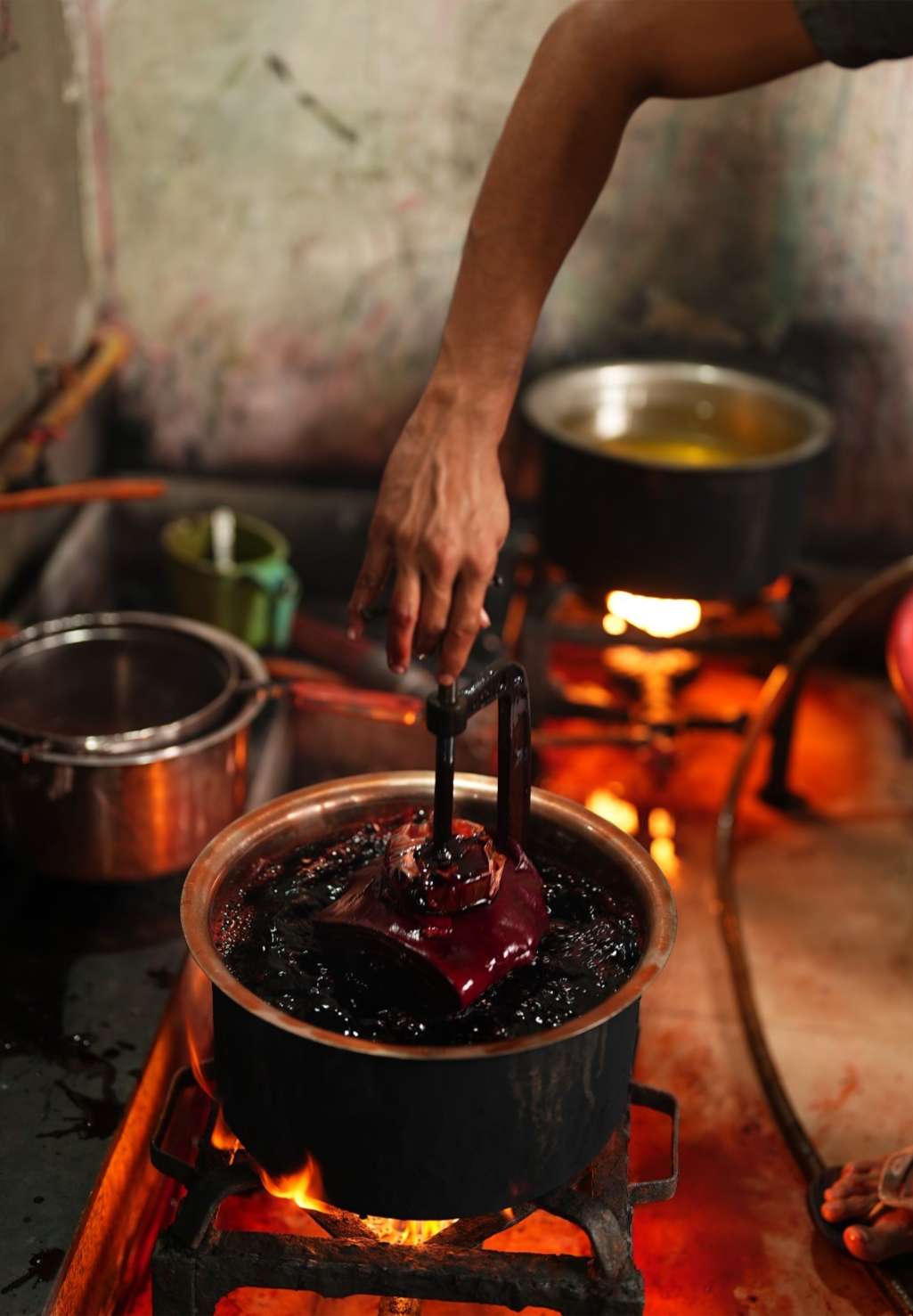
The fabric is dipped into natural dyes. Once it soaks up the dye, it transforms into something magical.
Rinsing & Drying

As the dye is rinsed away, hidden patterns are revealed and as it dries, the anticipation builds— what design will emerge?
Finishing Touches

Finally, the fabric undergoes a few last treatments to enhance its beauty and durability, ready to tell its story to the world.
Today, shibori is not just a technique but a symbol of cultural fusion. Indian designers are weaving traditional motifs into contemporary designs, creating a dialogue between the old and the new. Imagine browsing through Jaypore where vibrant shibori-dyed kurtas sit elegantly alongside Indian block prints, each piece reflecting a rich heritage.
The Roots of Dabu
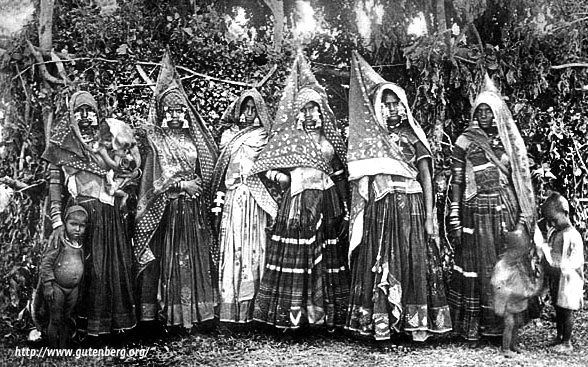
Dabu, also known as Mud Resist Printing, hails from the vibrant villages of Rajasthan, and like Shibori, it’s a work of love where imperfection plays a beautiful role. This ancient art form has been passed down through generations, originating during India’s medieval period. Dabu printing involves using mud as a resist to create intricate designs. It was once nearly lost to time but was revived thanks to the dedication of Indian artisans committed to preserving their craft.
The Process: A Muddy Masterpiece
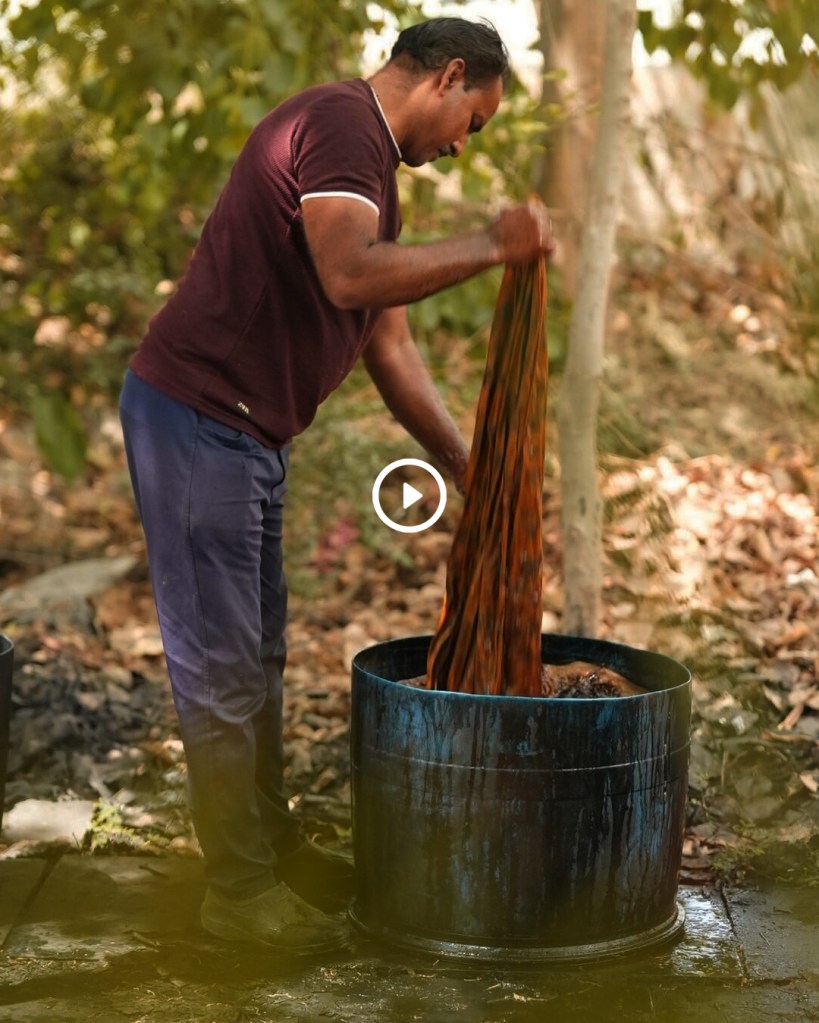
Every Dabu print tells a tale of tradition, where mud and dye come together to create something remarkable:
Preparing the Fabric
The fabric is first cleaned & prepared.
Applying the Mud Resist
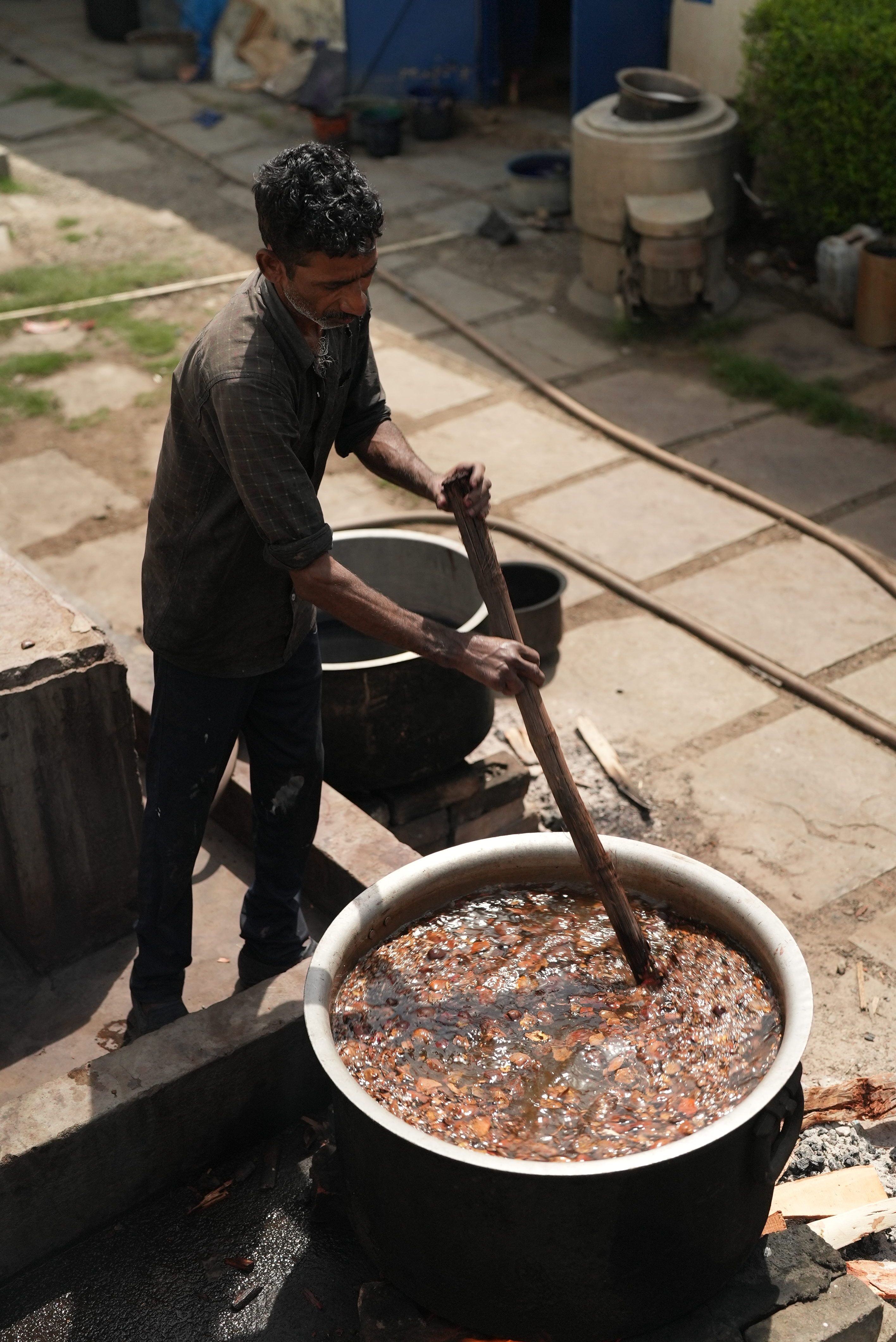
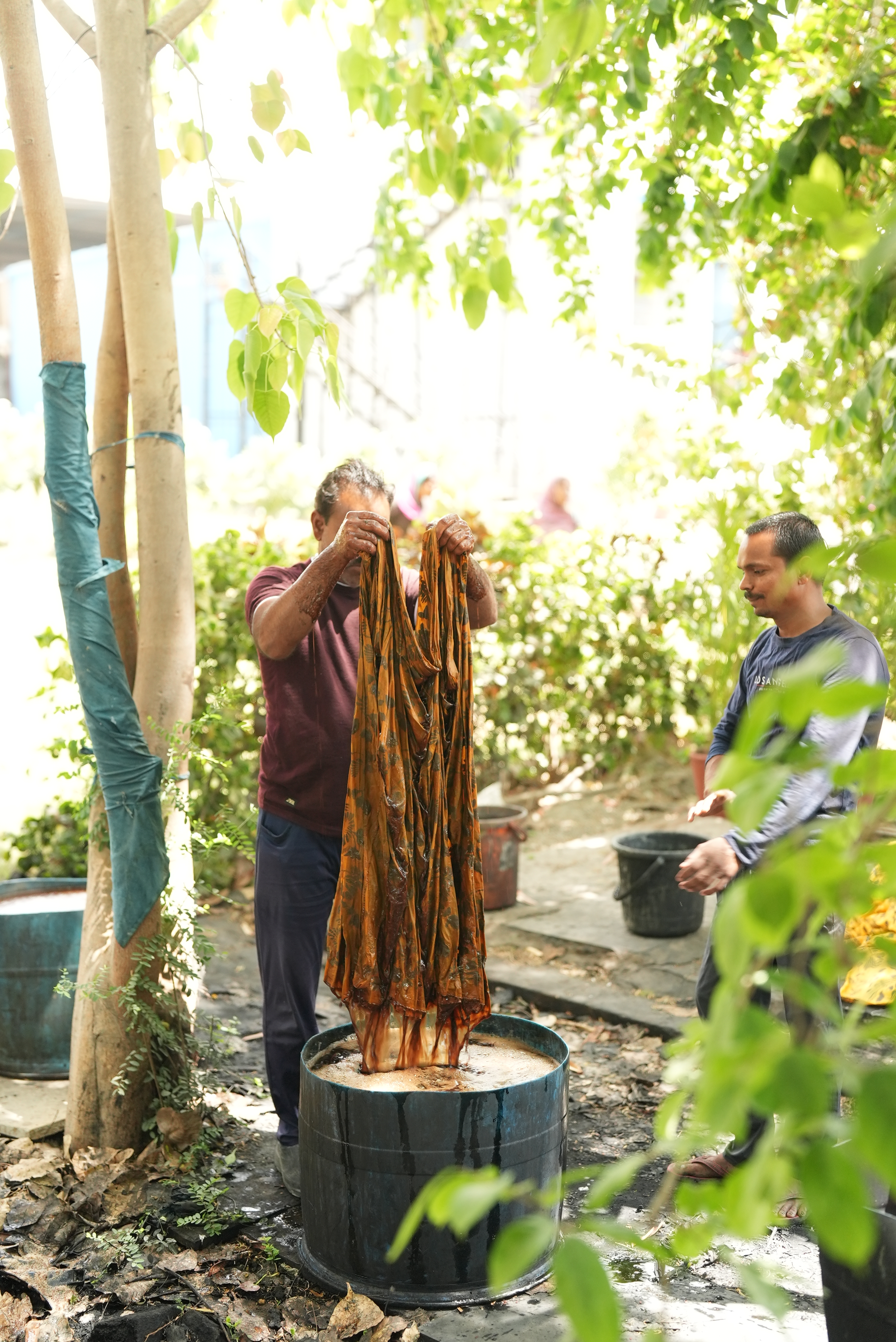
This is where Dabu sets itself apart. Artisans create a paste of mud, water, gum & lime, which is applied to the fabric using hand-carved wooden blocks. The mud acts as a resist, preventing certain areas of the fabric from absorbing the dye.
Dyeing the Fabric
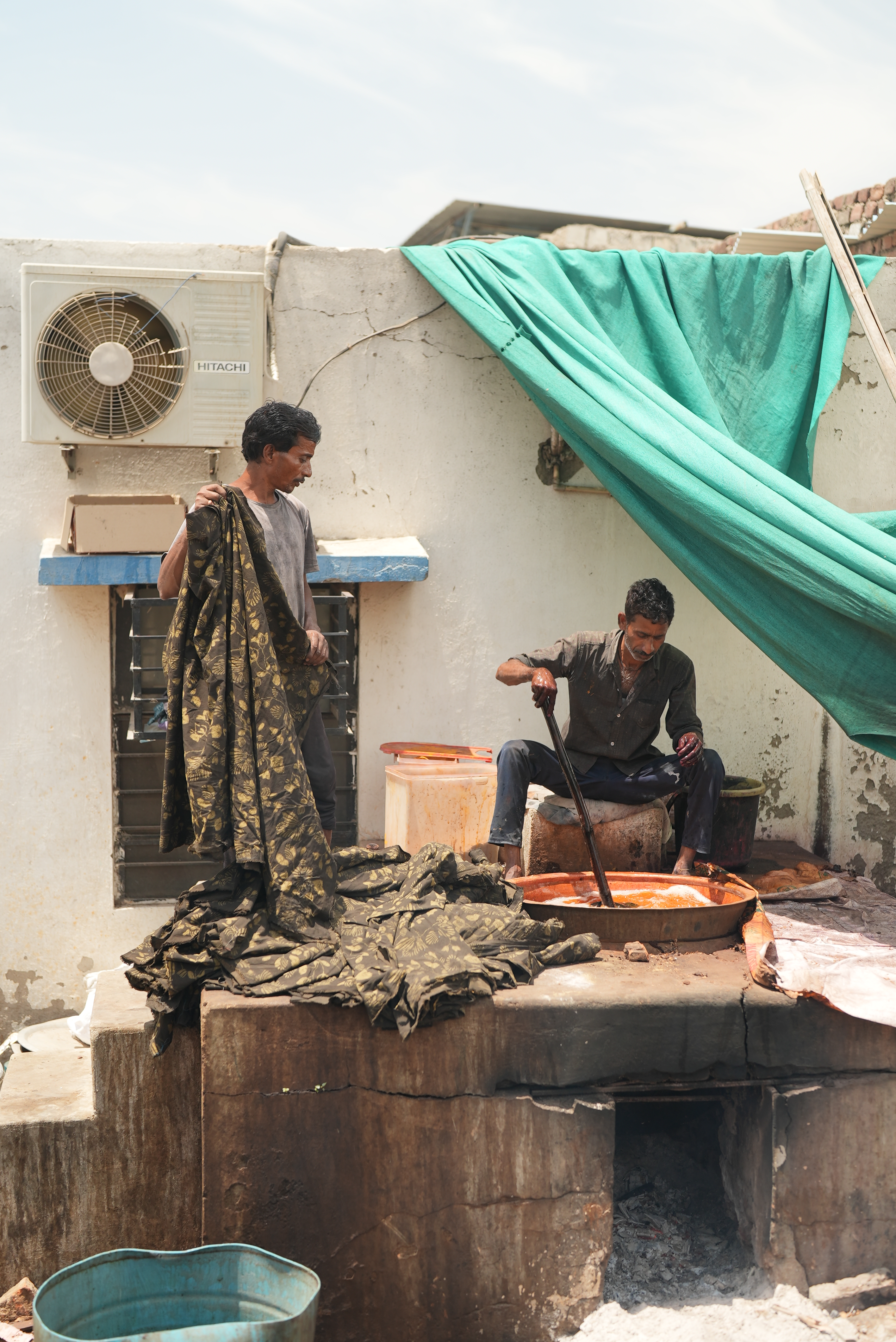
The fabric is then dyed, often using indigo or other natural dyes, with the mud-covered areas resisting the color. The process is repeated for multi-colored designs, adding layers of depth and complexity.
Washing & Drying


Once the dyeing is complete, the mud is washed off, revealing intricate & unpredictable patterns.
Final Touches
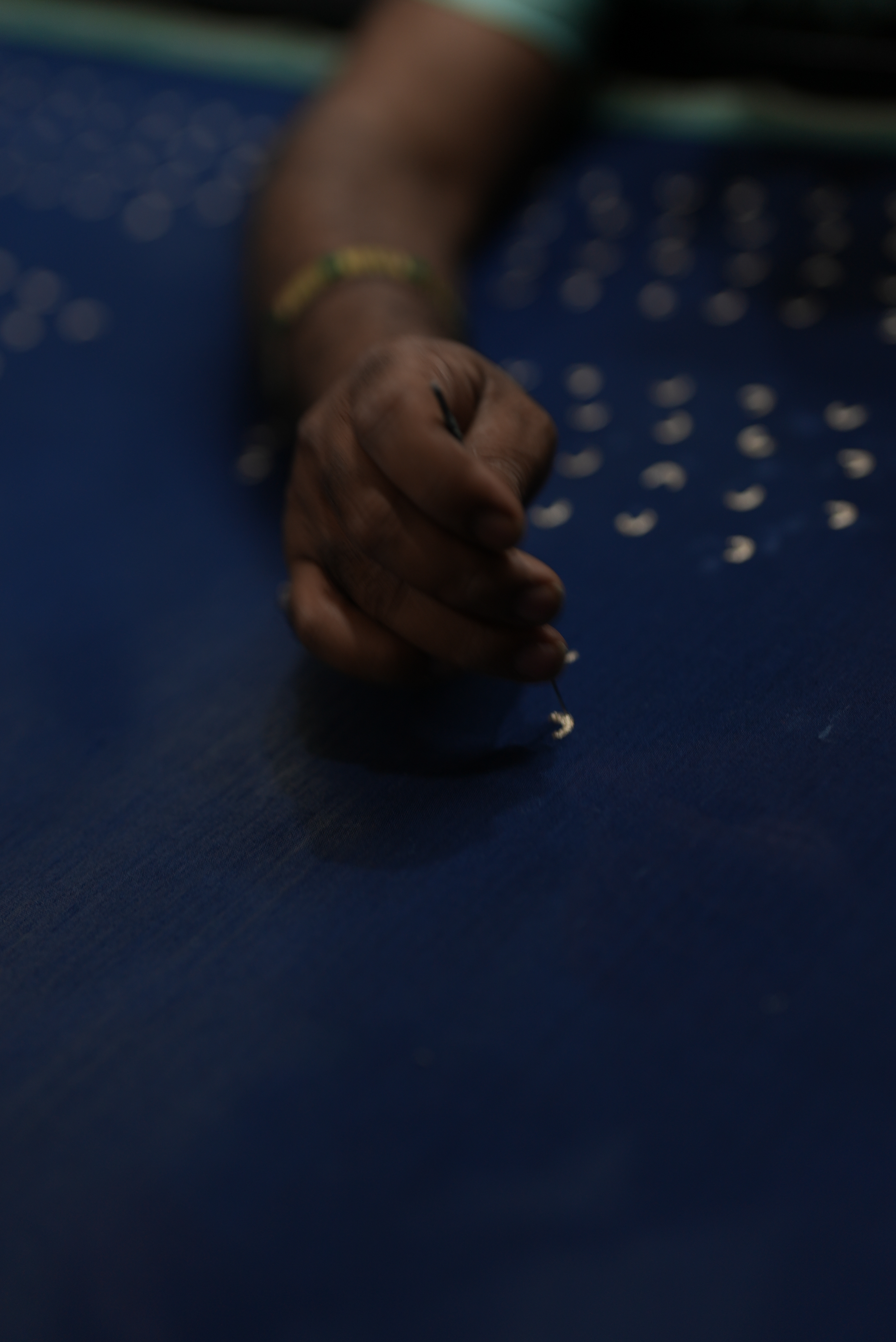
After drying, the fabric is ready with its imperfections adding to its unique charm.
Today, Dabu printing is experiencing a renaissance as contemporary designers breathe new life into this age-old craft. Artisans are blending traditional techniques with modern aesthetics, creating stunning garments and home textiles that appeal to today’s consumers.
Challenges Faced by Indian Artisans
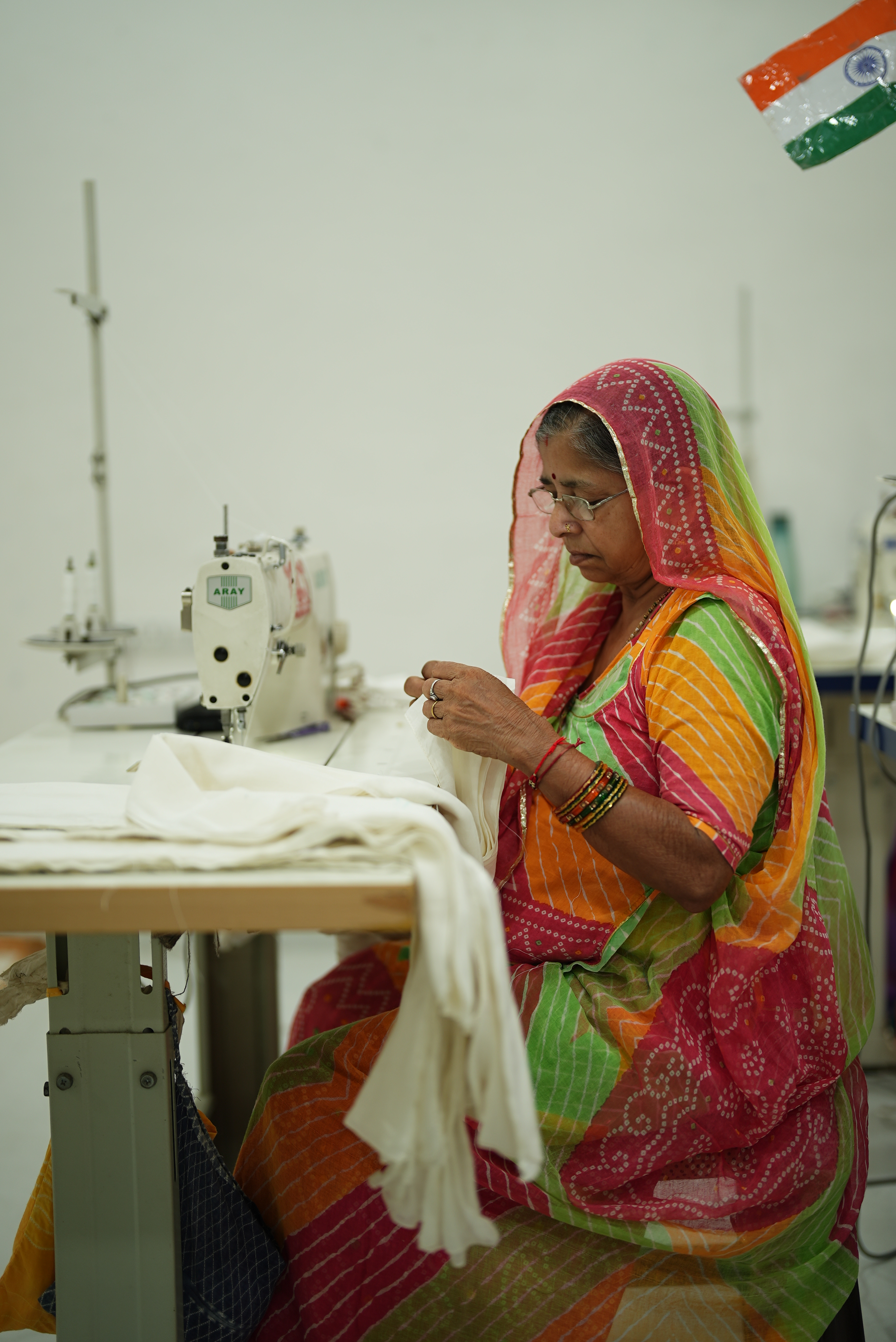
In the fast-paced world of machine-made, mass-produced clothing, artisans face significant challenges. The rise of cheap imitations inspired by Indian crafts, threatens the authenticity & value of handcrafted pieces. With natural resources depleting and the demand for quick fashion growing, traditional craft communities struggle to compete. The painstakingly slow, intricate processes of crafts like Shibori & Dabu are often overshadowed by the convenience of industrial production, making it difficult for these artisans to earn a sustainable livelihood and keep their legacy going.
Jaypore’s Commitment: Preserving Crafts, Empowering Artisans

Jaypore steps in by bridging the gap between artisans & the wider audience, helping revive these crafts & promoting sustainable practices. By partnering directly with artisans, Jaypore provides them with the platform to continue their traditional work, ensuring fair wages & ethical practices. This not only helps artisans thrive but also safeguards their cultural legacy. Through curated collections & conscious storytelling, Jaypore brings the beauty of these crafts closer to the world, ensuring that future generations can appreciate and celebrate the rich history embedded in each handcrafted piece.
Both Shibori & Dabu symbolize the beauty in embracing imperfections. In a world that often seeks perfection, these crafts remind us that the most unique, meaningful creations arise from unpredictability. So, the next time you run your fingers over the intricate patterns or browse through Jaypore.com, feel the rich history & artistry woven into each piece—a celebration of the beautifully imperfect, just like each one of us!



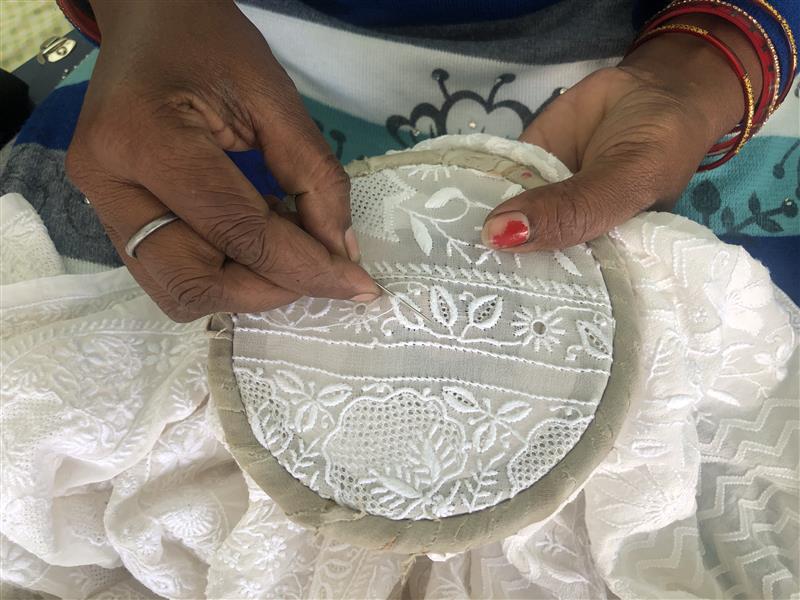
 Storytellers of Wonder
Leave a comment