
Long before gold ruled the treasure chests of kings, there was silver, the moon-kissed metal that shimmered through ancient rituals, royal courts, and sacred myths. According to the vedic rituals, silver vessels were used to hold sacred water and offerings to the gods, in royal courts, it wasn’t just a symbol of wealth, it was a statement of refinement. Kings dined from silver plates not only for their grandeur, but because it was believed to purify food and ward off disease. And in sacred myths, silver is often associated with the moon—cool, calming, and divine. In Hindu mythology, the moon god Chandra, who gives silver its very name in Sanskrit, rides across the night sky in his silver chariot, casting blessings upon the earth. Chandi, thus, has never been just a metal, it’s a living presence in the stories, ceremonies, and royal grandeur of our past.
“What is it about silver that makes it both a currency and a cure, an ornament and a symbol of purity?
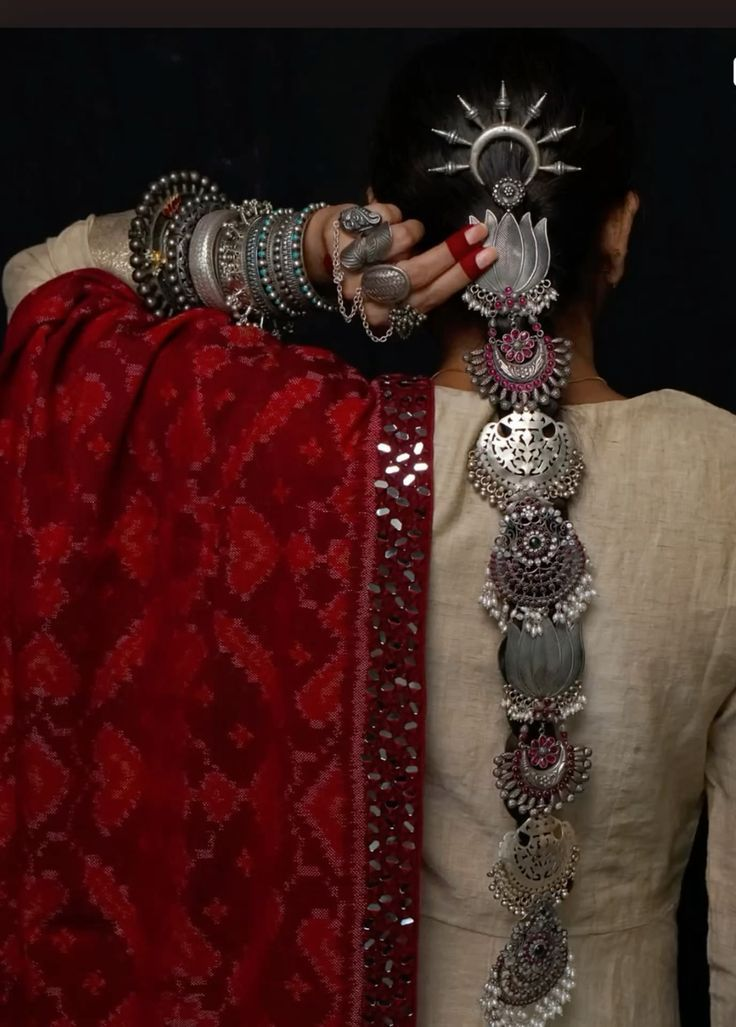
For centuries, chandi has flowed through our daily lives in forms from ancient marketplaces, where silver coins were the backbone of trade, trusted for their intrinsic value to ayurveda, in which finely powdered silver known as rajat bhasma is used to treat ailments ranging from digestive issues to neurological disorders, prized for its cooling and antimicrobial properties. At weddings and births, we gift silver not just for its beauty, but for its blessings, believing it brings protection and prosperity. During Diwali, homes are lit not only by lamps but by the gleam of freshly polished silver utensils, used in rituals that welcome Lakshmi, the goddess of wealth. Even today, a newborn is often fed their first drops of milk from a tiny silver spoon, an act rooted in ancient tradition and spiritual symbolism.
It is in these quiet, personal moments that silver transcends its form. It becomes a vessel for memory, for blessing, for love passed down. A gift becomes an heirloom when they hold meaning deeper than value. They carry a part of us forward, thus the most cherished one’s are not always the grandest, they’re the ones that feel like home & intentionally leave behind a piece of you, tenderly wrapped in time.
The Journey of Silver: Evolving Craft, Timeless Soul
Traditional Craftsmanship
India’s silver craftsmanship is a rich tapestry, woven with the precision of ancient hands and the pulse of local tradition. Each region brings its own signature to this enduring metal, creating styles that are as distinctive as the landscapes they come from.
1. Filigree (Tarakashi) – Odisha

Delicate as lace, the filigree of Cuttack called Tarakasi involves superfine silver wires twisted into intricate forms like peacocks, lotus blooms, and temple spires. These pieces are often seen in Odia bridal jewelry and festive wear. The silver crowns and temple ornaments offered in Jagannath Puri temples are made using this technique, patronized by the royal families of Odisha.
2. Bastar Tribal Silver – Chhattisgarh

In stark contrast, Bastar’s tribal silver is bold, earthy, and raw. Think chunky necklaces made from coins, large hoop earrings, and torque-style collars worn by indigenous communities during tribal festivals. Similar tribal silver aesthetics have been worn by actresses like Deepika Padukone in Padmaavat and by Kangana Ranaut in Manikarnika to reflect warrior strength and rustic elegance.
3. Repoussé & Chasing – Rajasthan
This technique involves beating intricate designs into silver often mythological figures or floral motifs. It’s commonly used in temple jewelry, kadas (cuffs), and ceremonial wares. The embossed silver kadas and anklets seen on Rani Mukerji in Paheli (set in Rajasthan) reflect this craftsmanship.
Royal families of Rajasthan, such as the Mewar and Marwar dynasties, commissioned repoussé silverware for puja thalis, sword hilts, and bridal jewelry.
4. Jadau & Kundan – Rajasthan & Gujarat
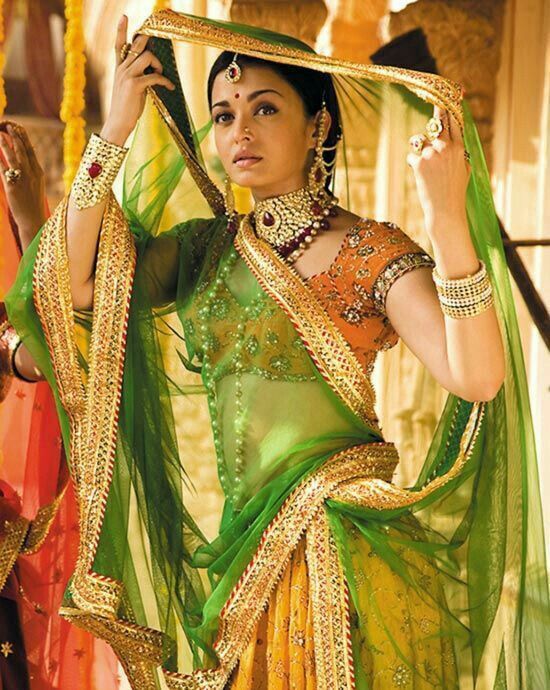
Though Jadau is often associated with gold, it is also practiced in silver in more affordable bridal sets. This technique uses uncut diamonds and gemstones embedded into a molten base.All major Bollywood wedding scenes from Aishwarya Rai in Jodhaa Akbar to Alia Bhatt in Kalank feature variations of Jadau/Kundan jewelry, often accented with silver bases for contrast.Jadau was famously worn by Maharani Gayatri Devi of Jaipur, often paired with her signature chiffon saris and pearl strands.
5. Meenakari – Rajasthan & Varanasi
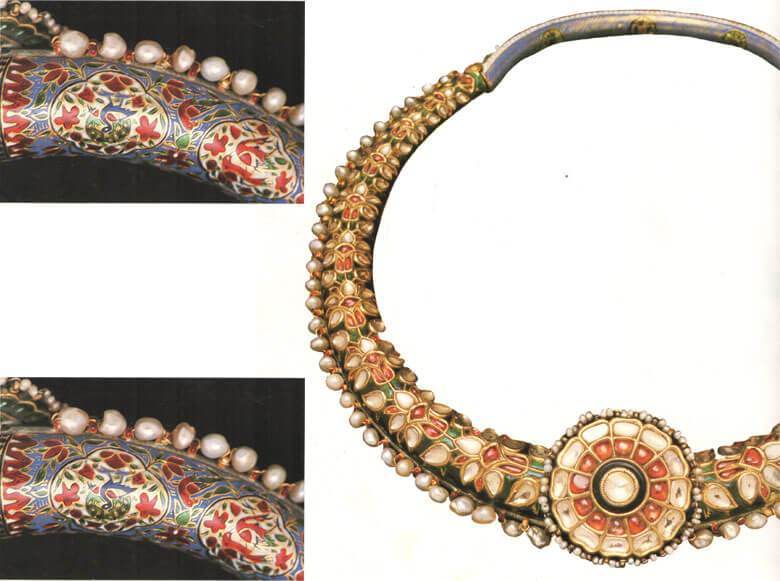
Meenakari involves enameling vivid colors onto silver, creating vibrant, jewel-toned ornaments. It was historically done for Mughal kings but adapted widely in Rajasthani jewelry. Meenakari bangles and jhumkas were part of the elaborate styling in Devdas especially Paro’s bridal look played by Aishwarya Rai).This craft was introduced to India by Persian artisans under the patronage of Mughal Emperor Akbar, and later perfected by the Jaipur royal courts.
6. Bidriware – Karnataka (also practiced in Hyderabad)

A dramatic blend of silver inlay on blackened alloy, Bidriware jewelry stands out for its bold contrast. Today, it’s also used in brooches, cufflinks, and statement rings. Bidriware was favored in the Deccan sultanates and Nizam courts of Hyderabad, where it adorned royal hookahs, hilts, and jewelry boxes.
7. Thewa – Rajasthan
Though primarily gold work on colored glass, Thewa pieces are often framed or set in silver to create vibrant, mosaic-like jewelry. Each tells a miniature tale of royal life or folklore.Thewa was patronized by the rulers of Pratapgarh (Rajasthan), and the motifs often depict royal processions, animals, and divine figures.
8. Contemporary Tribal Beadwork & Casting
Tribal communities like the Banjara or Naga use silver beads, coins, and charms in layered jewelry that carries both protection and identity. Modern designers have started incorporating casting techniques to replicate tribal designs on a larger scale.Vidya Balan and Rani Mukerji have championed such tribal silver styles in photoshoots and films like Kahaani and No One Killed Jessica.
New-age Techniques
In recent years, Indian silver jewelry has entered a renaissance—where heritage meets innovation. A new design language is emerging, one that honors the intricate legacy of Indian craftsmanship but speaks boldly to contemporary aesthetics and lifestyles. Today’s artisans and designers are not just reviving ancient techniques, they’re reimagining them through modern technology, materials, and expressions. Here’s how:
1. Engraving & Personalization
A deeply emotional touch where names, initials, dates, or personal symbols are etched into silver, making every piece a wearable memory. The rise of customized jewelry mirrors today’s desire for meaning, not just material. Brides now favor engraved kadas with wedding dates or spiritual mantras, a perfect blend of sentiment and design.
2. 3D Wax Casting
This technique allows for sculptural, futuristic designs with incredible precision. Intricate floral vines, animal motifs, or geometric forms are cast in wax and then molded in silver offering clean lines and stunning dimensionality. These are the kinds of edgy silver pieces you see on Gen Z influencers styling saris with crop tops or Indo-western silhouettes.
3. Oxidation Techniques

By darkening parts of the silver surface, artisans create dramatic contrasts that highlight texture, design, and vintage appeal. Jewelry with a soulful, lived-in feel that bridges ancient beauty with modern sensibility. Think of Alia Bhatt’s rustic oxidized jhumkas in Raazi or Vidya Balan’s signature temple-inspired oxidized jewelry. The patina gives the pieces a raw elegance, perfect for everything from sarees to streetwear. Oxidized silver is now a staple of boho-chic style, seen in indie films, music festivals, and conscious fashion circles.
4. Texturing & Hammering
A celebration of imperfection artisans hammer silver to create rugged, tactile surfaces, each dent telling a story. The result is unpolished, earthy, and striking, perfect for those who love understated edge. These designs reflect strength and individuality, especially popular among non-mainstream cinema stars. Hammered textures mirror the current love for minimalism with depth its wabi-sabi meets desi chic.
5. Fusion of Materials
Silver meets the unexpected leather, wood, thread, enamel, silk cords, or semi-precious stones. These hybrid creations blend tradition with global design trends, appealing to urban, eco-conscious, and experimental consumers. The material contrast—cool metal with warm textures—makes each piece an artwork. Think silver pendants strung on silk ribbons or tribal chokers reimagined with suede and beads.
6. Modular & Convertible Jewelry

Designed for the modern multitasker, these pieces can transform like a long necklace becomes a layered choker, earrings detach into studs and danglers, or pendants double up as brooches. Stylish yet sustainable. This type of jewelry is ideal for destination weddings, work-to-party transitions, or fashionistas who travel light but dress heavy.
Silver today isn’t confined to occasion wear. It’s fluid, wearable, and full of meaning. Stackable rings, gender neutral designs, talismans, modern heirlooms, created using a dialogue between heritage and innovation. What was once sacred is now also stylish. What was once ceremonial is now also intimate and through all its forms, silver continues to shine, not just with beauty, but with memory and meaning.
Modern Day Take
Younger generations are increasingly choosing silver not just for its aesthetic appeal, but for its meaning and longevity. A survey across major Indian cities found 45% of Gen Z and Millennials prefer investing in silver jewelry, particularly gold-plated pieces, over traditional gold, due to its lightweight versatility and affordability. Globally, trends echo this shift: “Silver is the new gold” for Gen Z, driven by its modern elegance, cost-effectiveness, and sustainability credentials.
According to Mid-day, 77% of Gen Z consumers are willing to pay a premium for products from sustainable and ethical brands, compared to lower percentages in older generations. In a world flooded with fast fashion sparkle, silver stands out as something genuine and lasting. It sustains everyday wear, becomes more personal with time, and taps into values and memories that costume jewelry simply can’t match.
At Jaypore, we feel that silver, whether given at birth, worn on a special day, or kept as a treasured heirloom, becomes a part of our life’s journey, connecting us to our roots and identity. As families grow and traditions evolve, silver remains, adaptable yet rooted, delicate yet enduring. It speaks in the soft jingle of bangles, in the comfort of rituals, and in the quiet resilience of women who love fiercely across generations. In gifting silver, we don’t just pass on jewelry, we pass on belonging, memory, and a promise that beauty can also be meaningful.


 Storytellers of Wonder
Leave a comment