
बरसात की वो पहली फुहार याद है,
( I remember that very first shower of rain )
भीगे कागज़ की नाव और वो प्यार याद है।
( The paper boat soaked and that innocent love remains )
Indian poet Gulzar captures the essence of nostalgia tied to the monsoon, the first raindrops that announce the season, bringing with them a fresh wave of emotions. It’s a symbol of new beginnings, anticipation, and excitement.
The soaked evokes childhood memories, simple joys, playful innocence, and a world where little things mattered enormously. They remind us of carefree days when the happiness was found in the smallest adventures. And then comes “that love,” the tender feeling intertwined with the monsoon’s magic. It could be first love, a childhood friendship, or even the warm affection of family, all soaked in the rain’s purity and freshness.
It’s a gentle reminder of how rain can wash away the mundane and bring us back to moments that made us feel alive, the moments of joy, innocence, and heartwarming love. These tender emotions and memories have long inspired artists across mediums, weaving the monsoon’s magic into timeless works of art.
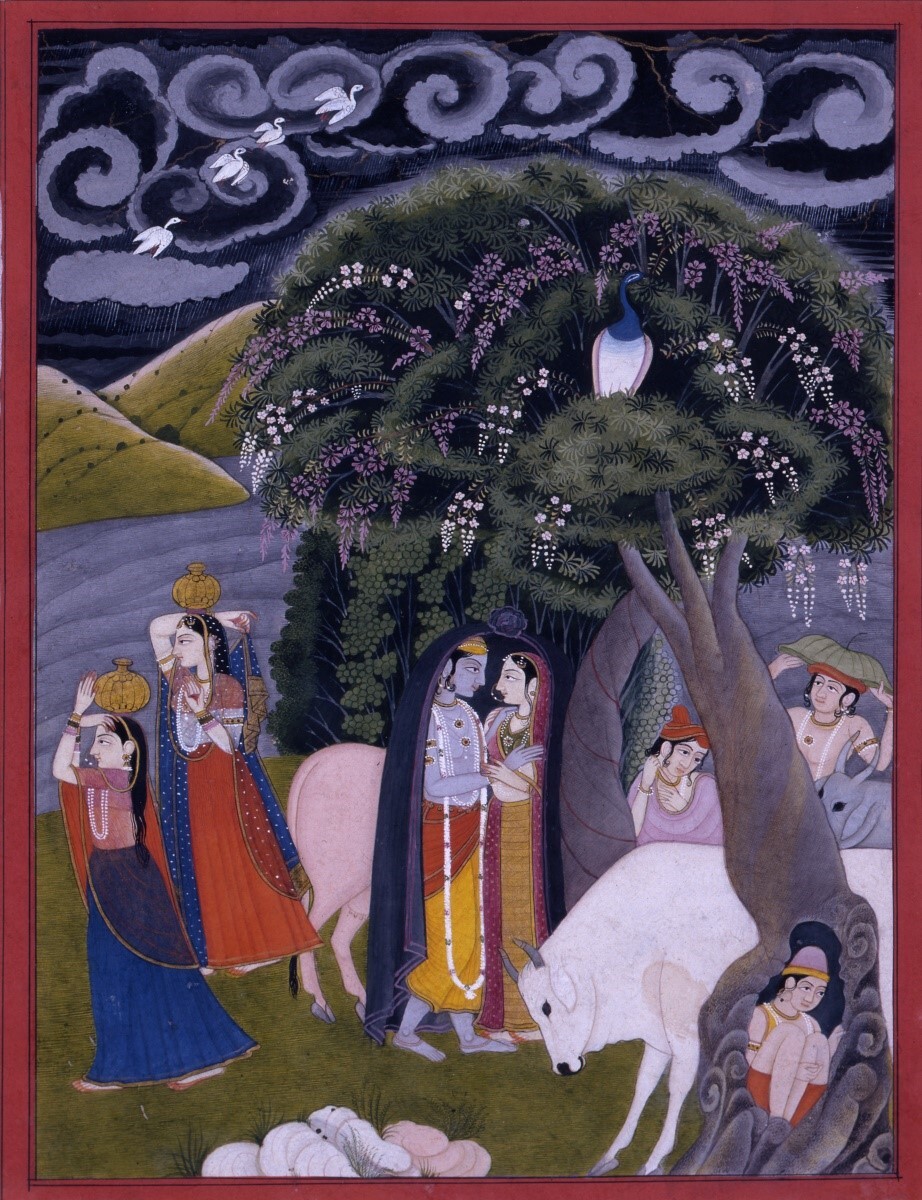
Inspired by the Raga Megh Malhar series, this enchanting painting made in 18th century captures a monsoon moment steeped in romance and rhythm.
As milkmaids gather by the banks of the Yamuna, water pots balanced gracefully, the skies swirl with storm clouds and white birds in flight. A peacock, perched on a tree heavy with bloom, signals the first drops of rain. Amid the hush of the gathering storm, Radha and Krishna take shelter beneath the canopy, locked in a gaze that speaks of love, longing, and quiet reverence.
Can you feel the rain? The intimacy? Almost like that iconic scene from Aashiqui 2.
Table Of Contents
- Raga Malhar Paintings : A Visual Symphony
- Narali Purnima: The Monsoon-to-Sea Transition
- Minjar : Maize, Monsoon & the Golden Thread
- Moolam Boat Race: Where Oars Meet Devotion
- Rain Awakening Our Senses & Souls
Raga Malhar Paintings : A Visual Symphony
Imagine a song so powerful, it could summon the rain. Now imagine that song turned into a painting.
Rooted in the rich tradition of Ragamala paintings, the Megh Malhar miniatures are more than just visual art, they’re symphonies in color. Created between the 16th and 19th centuries under Rajput and Mughal patronage, these works interpret Raga Megh and Raga Malhar, classical melodies deeply tied to the monsoon.Megh means “cloud,” and Malhar evokes the scent of rain, the ache of longing, and the joy of union. Legend has it that Emperor Akbar, enchanted by Tansen’s rain-summoning performance of Raga Malhar, commissioned artists to paint its magic, giving rise to some of the most iconic monsoon imagery in Indian art. In these miniatures, sound becomes sight: peacocks dance, dark clouds gather, and Radha and Krishna meet beneath rain-filled skies. Each stroke is a tribute to the timeless romance between music and monsoon.
Fun Fact: Unlike modern art, these exquisite works were rarely signed. The identity of the artist was considered less important than the devotion and emotion behind the scene.
Narali Purnima: The Monsoon-to-Sea Transition
As the rain clouds begin to recede, coastal communities across Maharashtra and parts of western India come alive with quiet anticipation. It’s Narali Purnima, a full moon festival that marks more than just a date on the calendar. It signals a shift in seasons, a deep breath before the ocean calls its people back.
For the fishing community, this day is sacred. Boats, once docked and weather-worn by the monsoon, are freshly painted. Nets are untangled, mended, and coiled with care. But before anyone sets sail, there’s a timeless ritual that must take place. Fisherfolk gather by the shore and offer coconuts (naral) to Varuna Dev, the god of the oceans, as a symbol of gratitude and a prayer for safe voyages and generous catches.
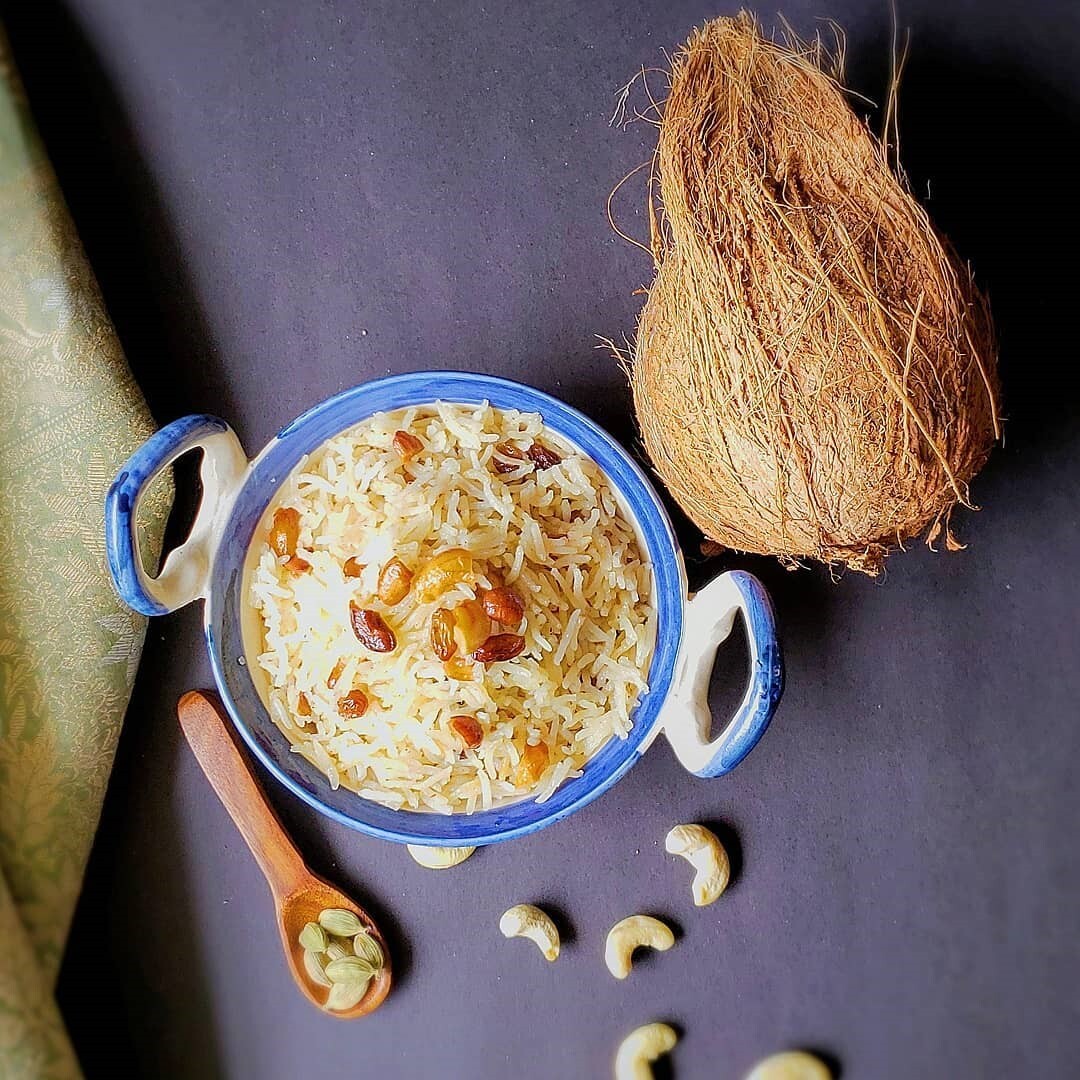
Why coconuts? With their tough outer shell, pure water inside, and nourishing meat, they represent resilience, purity, and sustenance, all the qualities that mirror the life of those who depend on the sea. But Narali Purnima is more than just a ritual, it’s a reminder of the delicate dance between human life and nature’s powerful cycles. It’s about respecting the monsoon that nourishes the earth, and the ocean that feeds families. Most importantly, it marks the official end of the monsoon fishing ban, allowing communities to once again set sail into the deep blue.
Fun Fact: In many coastal villages, the first coconut tossed into the sea during Narali Purnima is believed to carry everyone’s collective prayers, and some fishermen say that if the waves return it, it’s a sign to wait a little longer before venturing out!
Minjar : Maize, Monsoon & the Golden Thread
During monsoon as the rains drench the valleys and rivers swell with fresh mountain runoff, the fields of Chamba in Himachal Pradesh burst into a lush green carpet. This is no ordinary season, it marks the arrival of the Minjar Festival, a seven-day harvest celebration held in late July or early August, aligning with the second Sunday of the Shravan month.
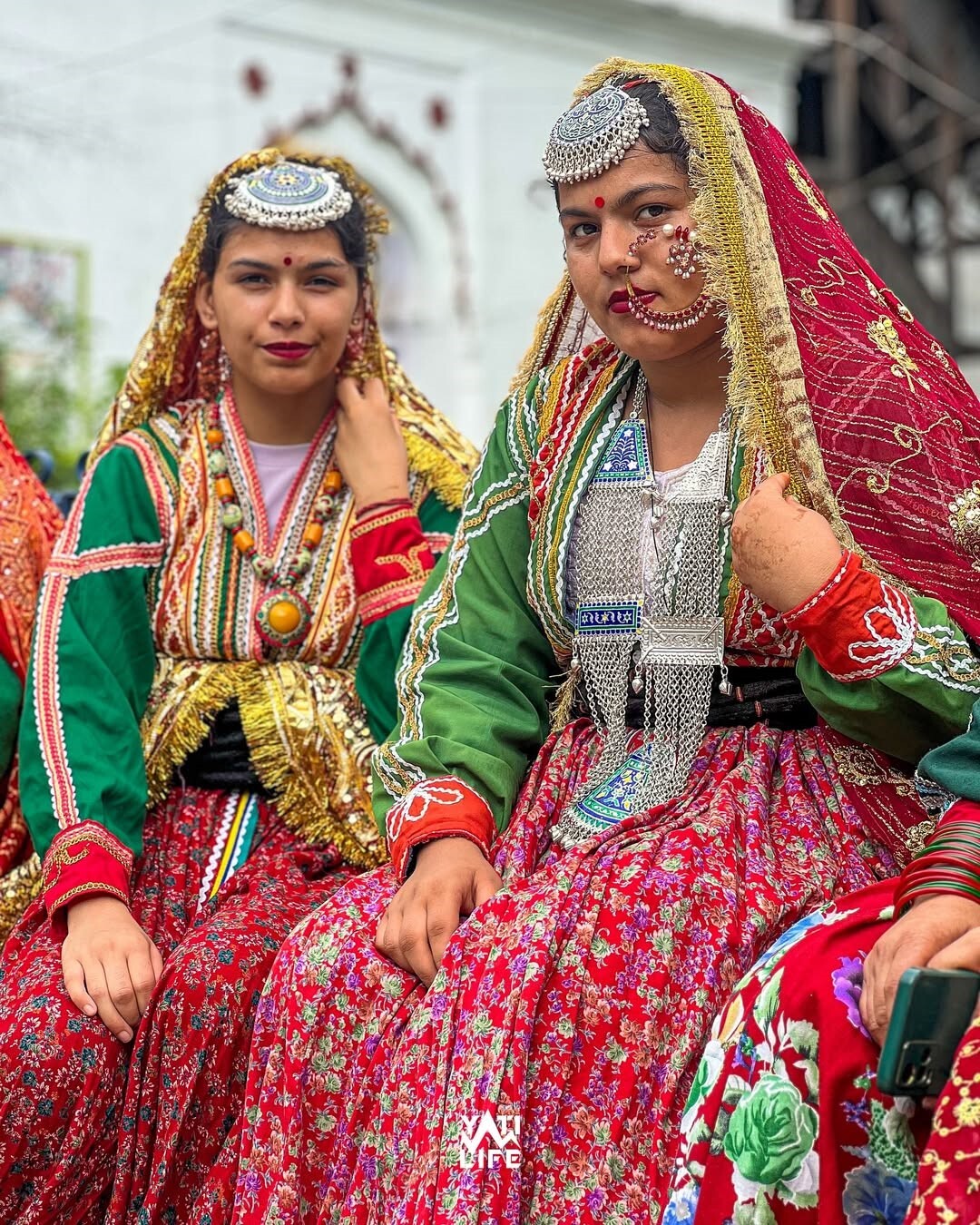
This is the time, the first golden tassels of maize begin to peek through the fields. Farmers both rejoice and brace themselves, as the rains bring both bounty and challenge. The very name Minjar comes from the silk threads of maize cobs—symbols of fertility, prosperity, and the rhythms of the agrarian calendar.
But this isn’t just about harvest, it’s rooted in legend. Back in the 10th century, during the reign of King Sahil Varman, the Ravi River split the town of Chamba in two, separating its people from the sacred Hari Rai temple. Desperate, the townsfolk prayed and offered silk threads of maize to the river as a symbol of faith and abundance. Legend has it, the river listened. It changed its course, reuniting the divided land and its people. In gratitude and awe, the king declared a public celebration, and thus, Minjar Utsav was born. Now, each year, the festival transforms Chamba into a vibrant tapestry of tradition complete with processions, folk music, rituals, and a joyous tossing of minjar threads into the river, echoing that ancient prayer.
Fun Fact: During the Minjar procession, people wear silk tassels pinned to their garments bright little tokens that not only honor the maize harvest but also tell the story of how a river once stepped aside for a prayer.
Moolam Boat Race: Where Oars Meet Devotion
In the heart of Kerala’s famed backwaters, as the monsoon clouds roll in and the land hums with new life, a centuries-old spectacle unfolds in the quiet village of Champakulam in Alappuzha. This is no ordinary boat race, this is the Moolam Vallamkali, one of Kerala’s oldest and most sacred snake boat races, where devotion, legend, and tradition ripple through the rain-fed waters.
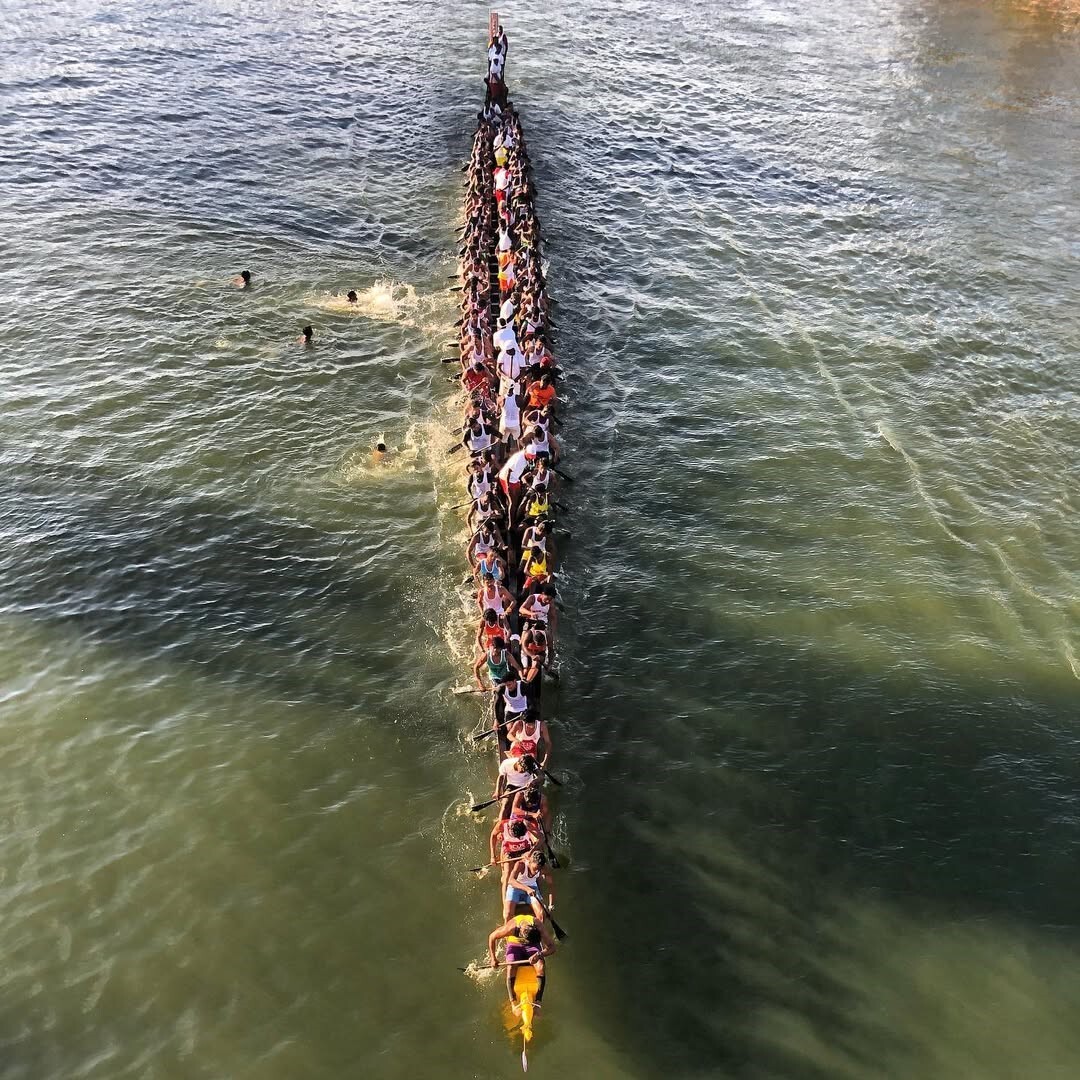
Held each year on the Moolam asterism day in the Malayalam month of Midhunam (June–July), the race coincides with the full swing of monsoon season. It’s a time when Kerala’s backwaters swell, the earth smells of fresh rain, and prayers for good harvests ride the wind. More than a test of strength or speed, the Moolam Boat Race is a prayer in motion, a tribute to the gods, the rains, and the age-old harmony between nature and people. The origins of this sacred race date back to 1545 CE, during the reign of King Devanarayana of Chempakassery. As the Ambalappuzha Sri Krishna Temple neared completion, the king sought a suitable idol of Lord Krishna. One was found at the Karinkulam temple in Kurichi, an idol believed to have once been worshipped by Arjuna himself. On a rain-soaked Moolam day, the idol was brought by boat along the Pamba River in a grand procession. Villagers, moved by the sacredness of the journey, decorated their own boats and joined in with joy and reverence.
That divine voyage through the rain-soaked riverbanks became legend—and eventually tradition. Today, the Moolam Boat Race commemorates that very journey, blending spirituality, history, and community spirit in a unique celebration that honors faith, water, and renewal.
Fun Fact: Unlike most boat races, there’s no trophy or grand prize waiting at the finish line. The real victory? Keeping alive a 500-year-old tradition that celebrates not competition but connection to the divine, to the land, and to each other.
Rain Awakening Our Senses & Souls
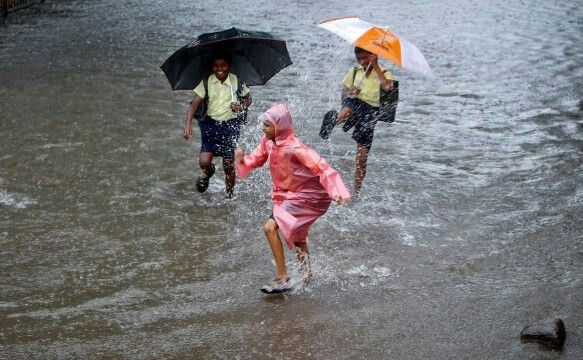
The Indian monsoon is a mood shift, like nature dimming the lights and cueing a softer, slower soundtrack. Shopping lists change as if led by instinct, ginger and tulsi become our go-to healers like a warm hug after a long day. We trade summer linens for airy cottons and water-resistant shoes, the way you’d swap sandals for sneakers before a long walk. Homes get their monsoon makeover too, damp corners are treated like old stories finally aired out, candles and earthy incense replace fresh florals, and kitchen shelves suddenly glow with golden turmeric, ready to guard against sniffles. Even cravings shift, we reach for spice-laced comfort food and steaming cups of chai & pakora combo, as if our senses know the script by heart. These aren’t just purchases, they’re emotional responses, tiny acts of preparation and preservation, helping us meet the rain not just with umbrellas, but with ritual.
Amidst the chaos of modern life, the first drop of rain can still hush us, make us look up & make us feel more alive, because here in this land, it’s a blessing. We have always known how to celebrate it with coconuts, with silk, with oars & love. So, as the skies open once again, may we all find our own way back to the rhythm, the reverence, and the quiet romance of the monsoon.


 Storytellers of Wonder
Leave a comment