
This National Handloom Day, we celebrate the true heroes behind every weave. From the master weavers who guide threads with practiced hands to the dyers, spinners, and embroiderers who breathe life and color into them, each artisan carries forward a legacy shaped by centuries of tradition.
We honour the cooperatives and clusters that keep communities thriving, the designers and revivalists who give fading crafts a fresh voice, and the visionaries like Mahatma Gandhi who turned handloom into a symbol of self-reliance and pride.
And we thank you, the conscious supporters who choose handloom, knowing that every purchase sustains livelihoods, preserves heritage, and keeps the loom’s timeless rhythm alive.
Because handloom is more than fabric, it is the art of weaving cloth by hand on traditional looms, without automated machinery. Every length is created through the patient interlacing of warp and weft, each variation a mark of human touch. No two handwoven pieces are ever identical; each carries the story of its maker, the heritage of its region, and the soul of a craft perfected over generations.

Table Of Contents
- The Art & Process of Handloom Weaving
- Handloom Fabric Care 101
- Reading The Care Label
- From Our Hands to Yours
The Art & Process of Handloom Weaving
Handloom weaving is an age-old craft where fabric is created entirely by hand, using a manually operated loom. It is slow, meticulous, and deeply personal, each step shaped by the skill and rhythm of the artisan.
1. Sourcing & Preparing the Yarn
The process begins with selecting natural fibres such as cotton, silk, wool, or linen. The yarn is cleaned, combed, and spun into fine threads—sometimes still done by hand using a spinning wheel.
2. Dyeing the Yarn
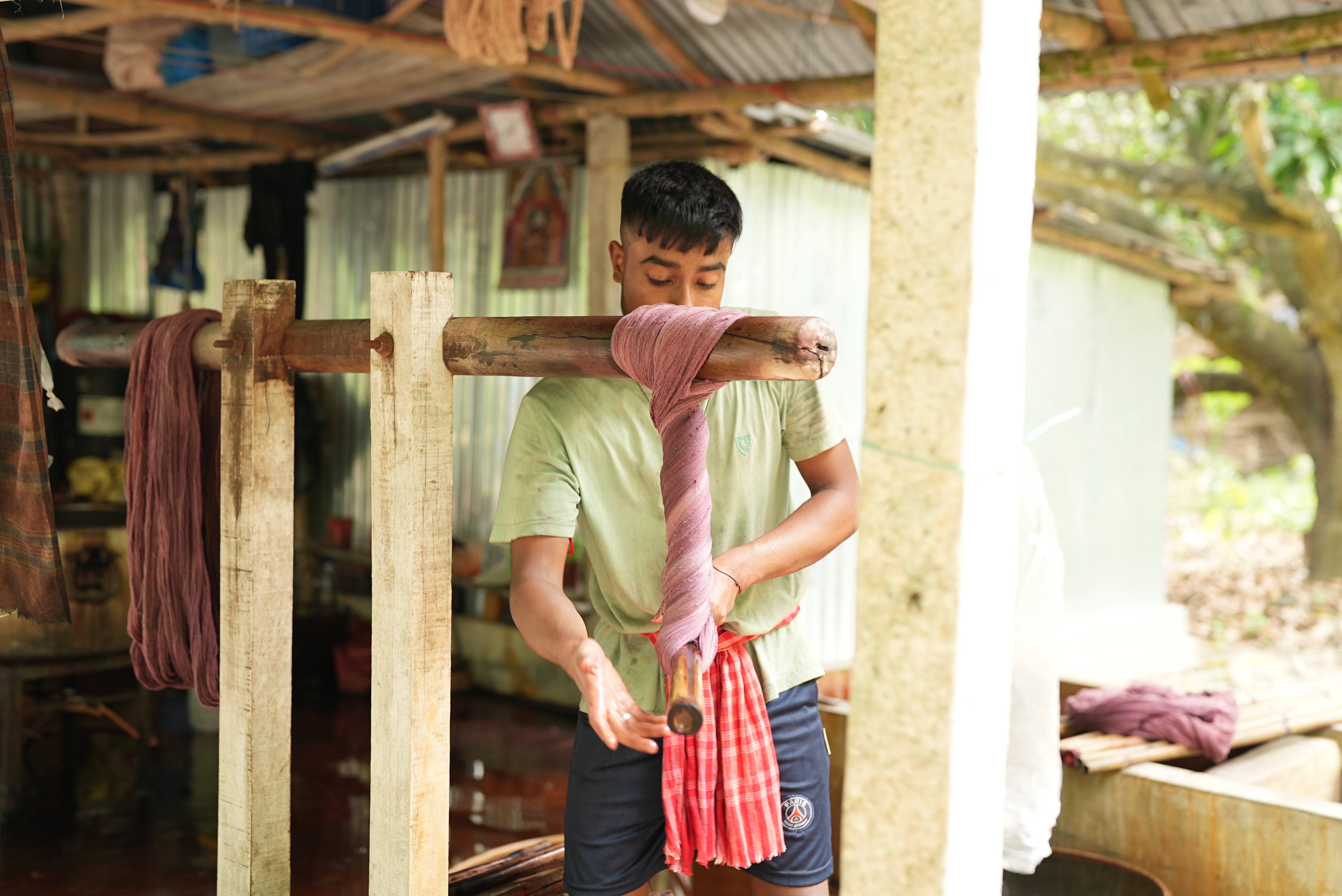
Threads are coloured using natural or chemical dyes, depending on the craft tradition. Many artisans still use age-old resist-dyeing techniques like ikat, tie-dye, or block-resist patterns. The dyed yarn is dried naturally under the sun.
3. Setting the Warp
The warp (lengthwise threads) is measured and stretched onto the loom. This is a precise and time-consuming step, as it sets the structure and dimensions of the fabric.
4. Weaving the Weft
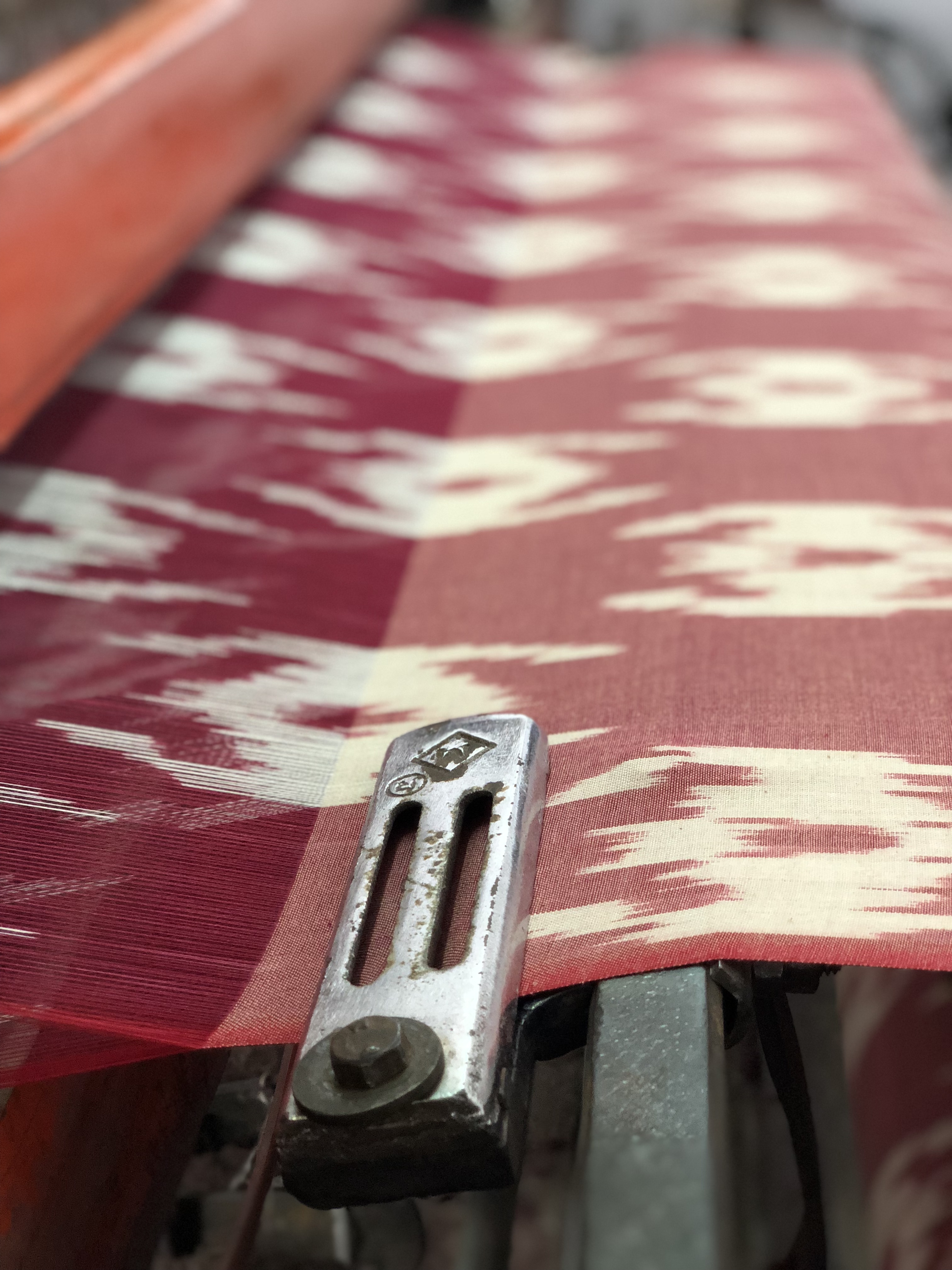
The weft (crosswise threads) is woven into the warp by passing a shuttle back and forth. With every pass, the artisan uses a beater to press the thread in place, slowly building the fabric row by row.

5. Creating Patterns & Textures
Depending on the design, artisans may use extra weft techniques, jacquard looms, dobby attachments, or hand manipulation to create motifs, borders, and intricate textures unique to their region.

6. Finishing the Fabric
Once weaving is complete, the fabric is removed from the loom, washed, sun-dried, and sometimes treated with natural starch for strength and sheen. The result is a one-of-a-kind textile, rich with subtle variations that only hand-making can produce.
This is India’s story, woven by its heroes thus, to protect handloom is to honor more than fabric, it’s to safeguard heritage, preserve craftsmanship, and stay connected to a legacy woven through generations. In return, they stay with you—longer, softer, and ever graceful.
Handloom Fabric Care 101
The first step to caring for your handlooms is understanding that no two fabrics are the same. Each weave comes with its own rhythm, and each fiber, its own temperament. During the monsoon, the most-loved handloom companions are cotton, linen, chanderi, ikat, jamdani, maheshwari, and mulmul—lightweight, breathable, and full of ease. These textiles allow your skin to breathe and your silhouette to move freely, making them the perfect choice for days heavy with rain and humidity. Here’s how to look after them—with tenderness, time, and a little bit of love.
1. Cotton – Your Everyday Essential
Cotton handlooms are your second skin—easy, breathable & made for everyday grace. But even the simplest cotton deserves care.
Wash: Gently, in cold water with a mild detergent. Turn the garment inside out to protect its natural hue.
Dry: Always in the shade. Harsh sunlight fades the dye and weakens the weave.
Iron: When still slightly damp. It brings back that crisp finish without scorching the fibers.
Store: Fold flat or roll loosely. If folding, change the folds every now and then to avoid permanent creases.
Styling Tip: Go for a crisp, hand-ironed drape with sharp pleats and pair it with a contrasting blouse (think ajrakh or kalamkari). Add silver jhumkas, a tote bag, and strappy flats for a classy work-to-brunch look.
Pro tip: Tie your hair in a low bun with fresh flowers for an old-school charm.

2. Linen – Light, Easy and Honest
Linen carries an unspoken grace, unbothered, breathable & beautifully unpolished. It adjusts so you don’t have to, wearing its soft creases like a quiet signature.
Wash: Cold water, gentle cycle, and absolutely no fabric softeners.
Dry: Let it air dry in the shade. No dryers, no squeezing. Just let it sway in the breeze.
Iron: While still damp for a neater finish, or let the wrinkles whisper authenticity.
Store: Fold gently with soft tissue if zari borders are present. Keep it in a dry place, away from direct sunlight & moisture.
Styling Tip: Drape it loosely for that effortless, breezy look. Opt for a sleeveless or backless blouse in muted tones or pastels. Add a statement neckpiece or chunky earrings and open-toe mules.
Pro tip: Throw on a denim or cropped jacket for a cool Indo-western twist.
3. Chanderi – For Graceful Days and Festive Moods
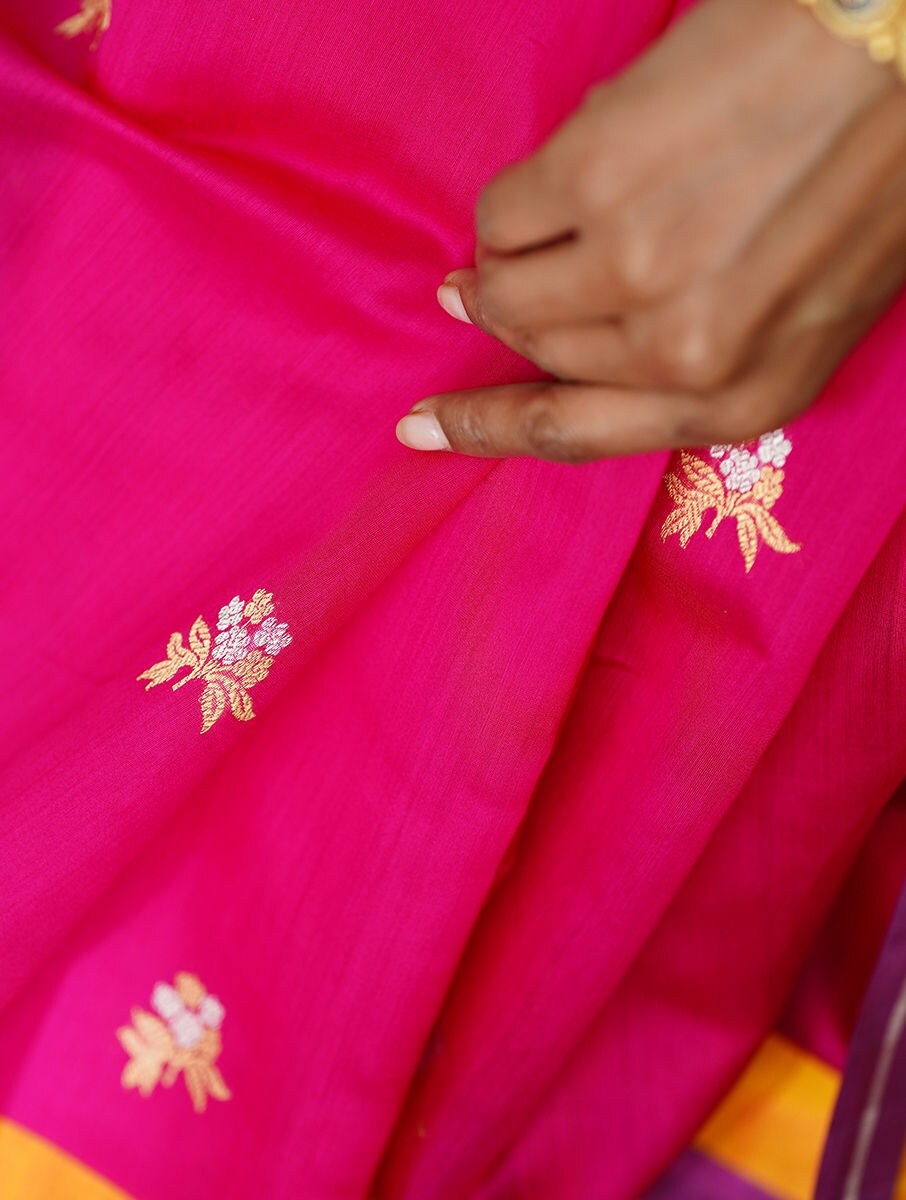
Chanderi is woven air, delicate, sheer, and touched by celebration, with origins dating back to the 11th century. Woven in the town of Chanderi, Madhya Pradesh, it carries a legacy of royal looms and should be cherished like a family heirloom.
Wash: Preferably dry clean. If hand-washing, be extremely gentle and avoid soaking, especially with zari.
Dry: Lay flat in shade. Never hang, never sun-dry.
Store: Flat, in breathable cotton bags. Wrap zari edges in tissue to avoid dullness or breakage over time.
Styling Tip: Let the fabric shine, keep the blouse simple in velvet or raw silk. Wear it with fine gold or kundan jewellery, a sleek clutch, and embellished mojaris for festive evenings.
Pro tip: A middle-parted bun with a gajra and kohl-lined eyes complete the regal look.
4. Ikat – Threads That Remember the Loom
Every Ikat piece is a conversation between dye and loom, a craft that traces back to 7th-century from Andhra Pradesh. Its soft blurs aren’t flaws, but the signature of handwork, a gentle reminder that beauty lies in the in-between.
Wash: Separately, in cold water. The dyes might bleed in the beginning—that’s natural.
Dry: Flat, in shade. Never wring or scrub.
Store: Fold with soft muslin or tissue between layers. Protect the weave from friction and tangles.
Styling Tip: Balance the bold patterns with solid, structured blouses a collared shirt works. Add tribal jewellery, leather kolhapuris and a cloth sling bag for an artsy vibe.
Pro tip: Wear bold bangles or cuffs and a messy braid to echo its handmade feel.
5. Jamdani – Woven Whispers on Fabric
Jamdani is patience made visible, a slow weave, a quiet masterpiece, born on the looms of Bengal as early as the 3rd century BCE. Woven with care, it deserves the same gentleness in how it’s worn, washed, and passed on.
Wash: Only by hand, in cold water. No rubbing, no wringing.
Dry: On a flat surface, away from light.
Iron: On the reverse, with a soft cloth between iron and fabric.
Store: Lay tissue between folds to protect its intricate motifs. Store in a cool, dry cupboard, never plastic.
Styling Tip: Go monochrome or tone-on-tone with your blouse to let the weave shine. Drape it Bengali style with a key ring or brooch at the shoulder. Pearl accessories and dainty makeup are perfect. Pro tip: Pair with a potli bag and dainty sandals for understated elegance.
6. Maheshwari – Crisp, Elegant, Timeless
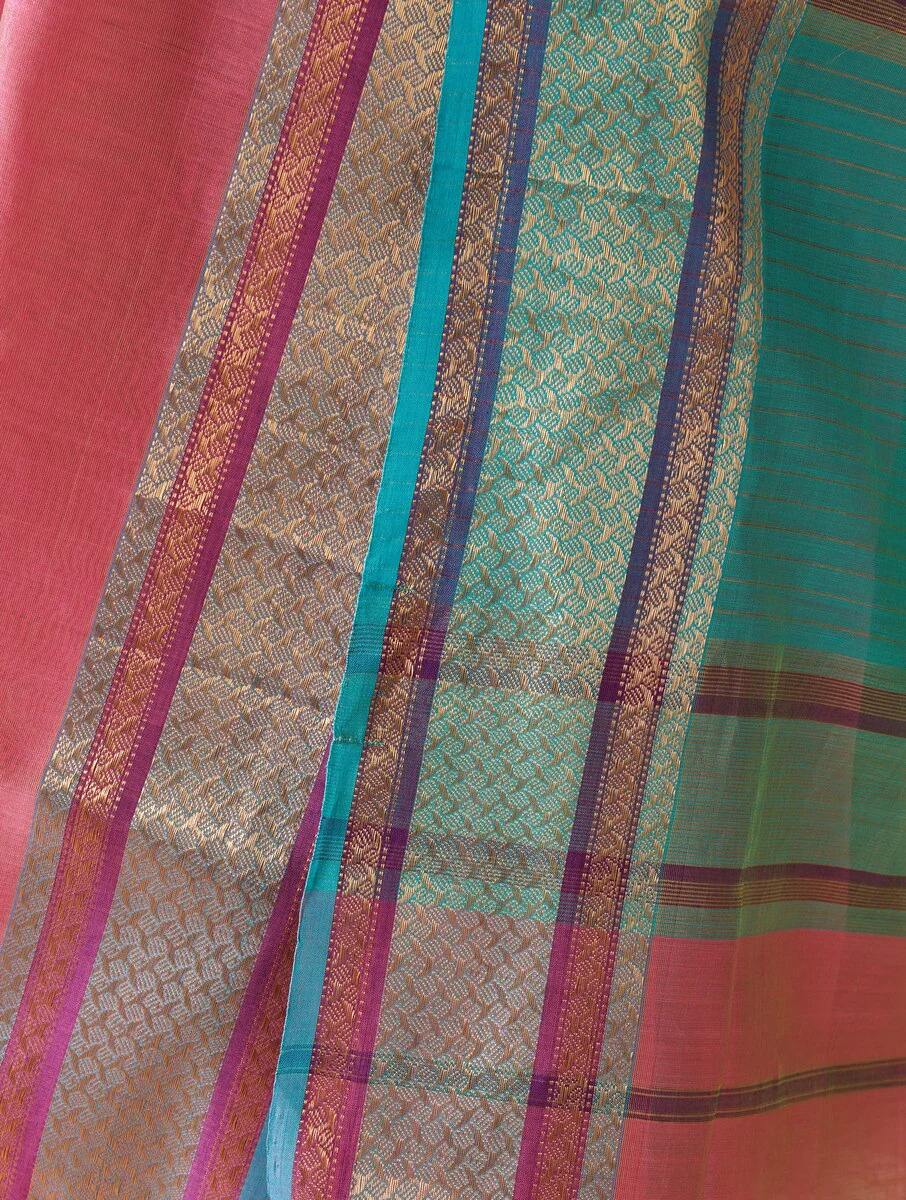
Stiff yet soft, delicate yet structured, Maheshwari has a subtle sheen and classic charm, always a step graceful. Woven in the town of Maheshwar, Madhya Pradesh, since the 18th century, it carries the quiet legacy of royal looms and riverfront craft.
Wash: For the first few wears, send it to a trusted dry cleaner. If washing at home, be gentle, especially near the borders.
Dry: Avoid wringing. Let the water drip away, then air dry flat.
Store: Fold along zari lines with tissue paper. Store flat in muslin and keep it dry and away from direct light.
Styling Tip: Perfect for both casual chic and festive glam, pair it with contrasting brocade or striped blouses. Add layered oxidised jewellery and kitten heels. Pro tip: Use a belt over the pallu for a smart, contemporary silhouette.
7. Mulmul – As Soft as Your Quietest Mornings
Mulmul loves water, but not too much at once. Feather-light and forgiving, this fine cotton muslin traces its roots to 16th-century Dhaka, where it was once prized by royalty and even today, it thrives with gentle care and soft hands.
Wash: Wash it gently in cold water with mild soap and never wring it.
Dry: Always in the shade and let the breeze do the rest.
Iron: Lightly if you like, but even with its creases, it always feels like home.
Store: Tuck it softly in a drawer lined with muslin or cotton pouch. Let it rest in air, not plastic, so its softness stays intact.
Styling Tip: Ideal for warm days, style it with printed crop tops or cotton camisoles. Add beaded jewellery, a crossbody bag, and comfy sliders. Pro tip: Keep the pallu flowing or pinned at the shoulder with a quirky brooch for a laid-back vibe.
Reading The Care Label
Caring for handlooms isn’t about perfection—it’s about presence. It might not always be possible to remember how to take of each piece separately hence the easier way to do it to read the care label on it. Most brands use standardised symbols on their care label to make it less complicated, here’s the chart.
Quick Tips –
Think of the symbols as gentle reminders, not Rules, each icon is there to help your garment last longer, not to confuse you.
1. Dots = Heat, Lines = Care, Plain Circle = Dry Clean
2. The hand symbol is your cue to skip the machine and give your garment a gentle wash
3. No tag? play it safe, default to the gentlest care – cold hand wash, shade drying, and low heat ironing.
From Our Hands to Yours
Handloom isn’t just something you wear, it’s something you carry. It carries memory, skill, slowness, and soul. To care for it is to join hands with the past and prepare it for the future. With each gentle wash, each careful fold, you’re not just preserving fabric, you’re nurturing tradition.
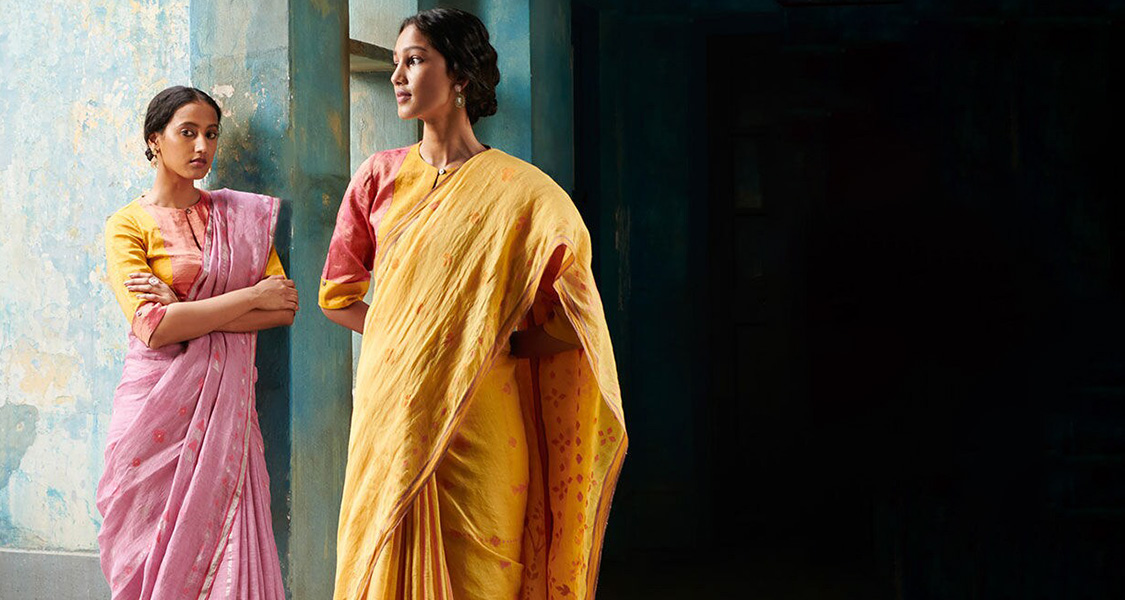
Let your handlooms age with you, softening, glowing, becoming more beautiful with time. Because pieces made with love only ask for the same in return. At Jaypore, we celebrate not just what’s made, but how it’s made. Thoughtfully, slowly, and always with soul honoring the Handloom Heroes of India, whose artistry keeps our heritage alive, thread by precious thread.

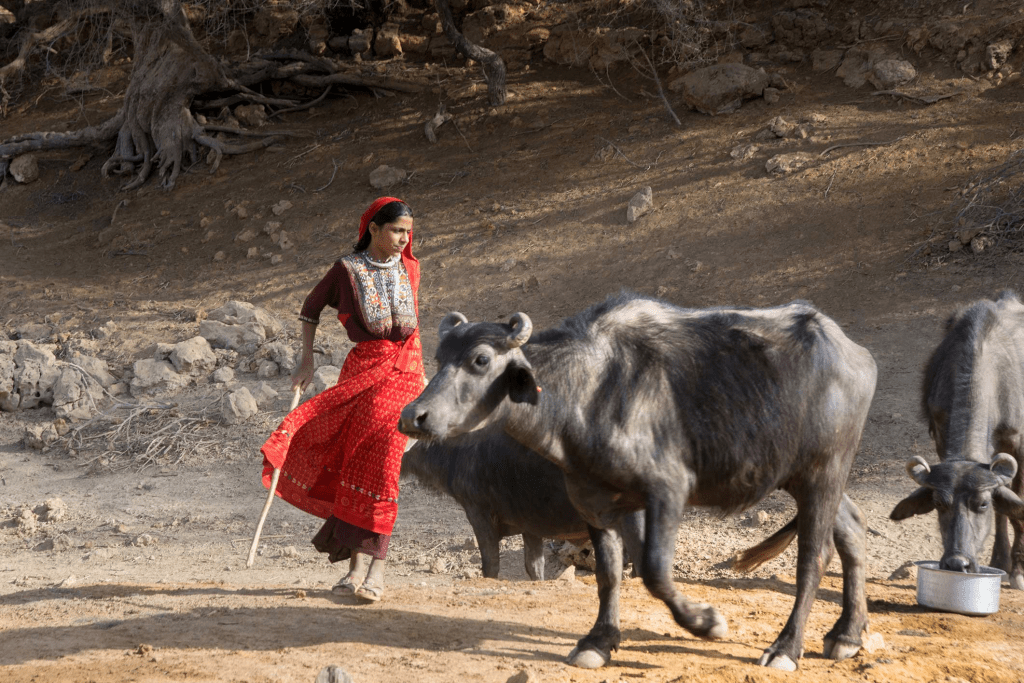
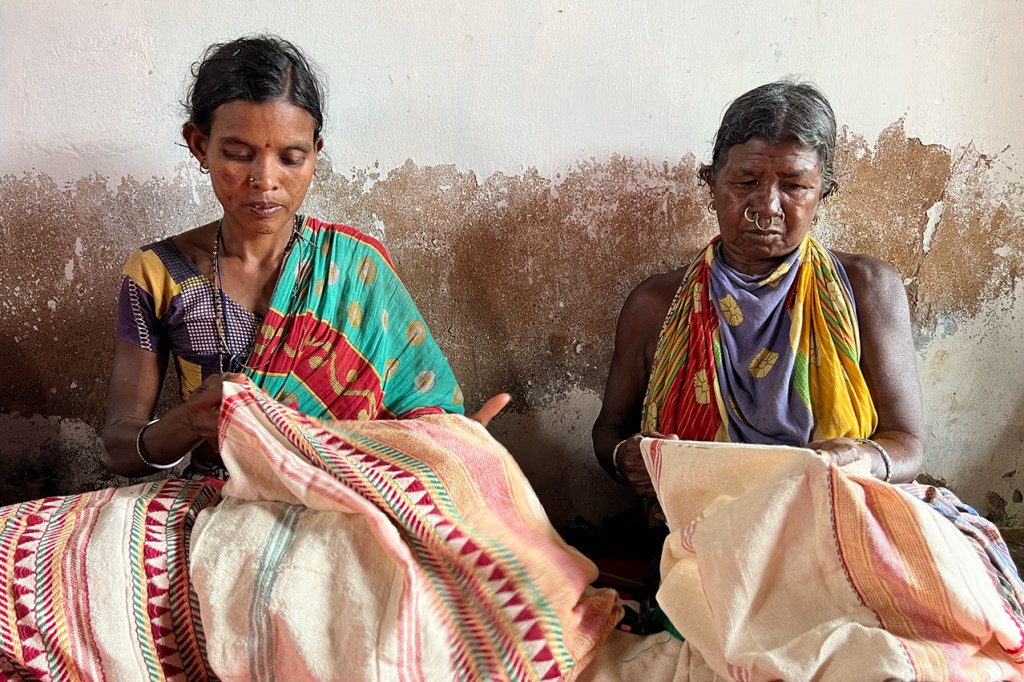

 Storytellers of Wonder
Leave a comment