
Light was never just to see. It was to believe. To remember who we are. It’s in the glow of every diya that stories of hope, love, and togetherness come alive. Diwali reminds us to cherish our roots, celebrate our bonds, and welcome new beginnings with open hearts.
It is also heritage carried forward through the hands of artisans, through threads that bind generations, through stories that refuse to fade.

Table Of Content
Diwali Edit’25
This Diwali, Jaypore unveils an exclusive collection within collaboration with renowned designer Anju Modi, whose designs & thoughtful revival of age-old craft techniques reflect the soul of Jaypore, rooted in intention, detail & a shared love for India’s timeless artistry handcrafted for modern celebrations.
From Khadi Block-prints to delicate Zardozi & hand done Zari work, every detail is thoughtfully woven into silhouettes that reflect timeless artistry and the evolving journeys of the women of today.
The collection draws inspiration from temple architecture & ancient textiles, each handcrafted silhouette is created with purpose & pride. Diwali’s golden aura comes alive in all drenched in cotton silk, organza & viscose dupion & delicately adorned with zari & traditional embroidery.
#BeTheLightThisDiwali
For generations, Diwali has been a festival of lights. Yet the truest radiance has always come from within, the fire of women who carried their traditions, their dreams & their voices across time.
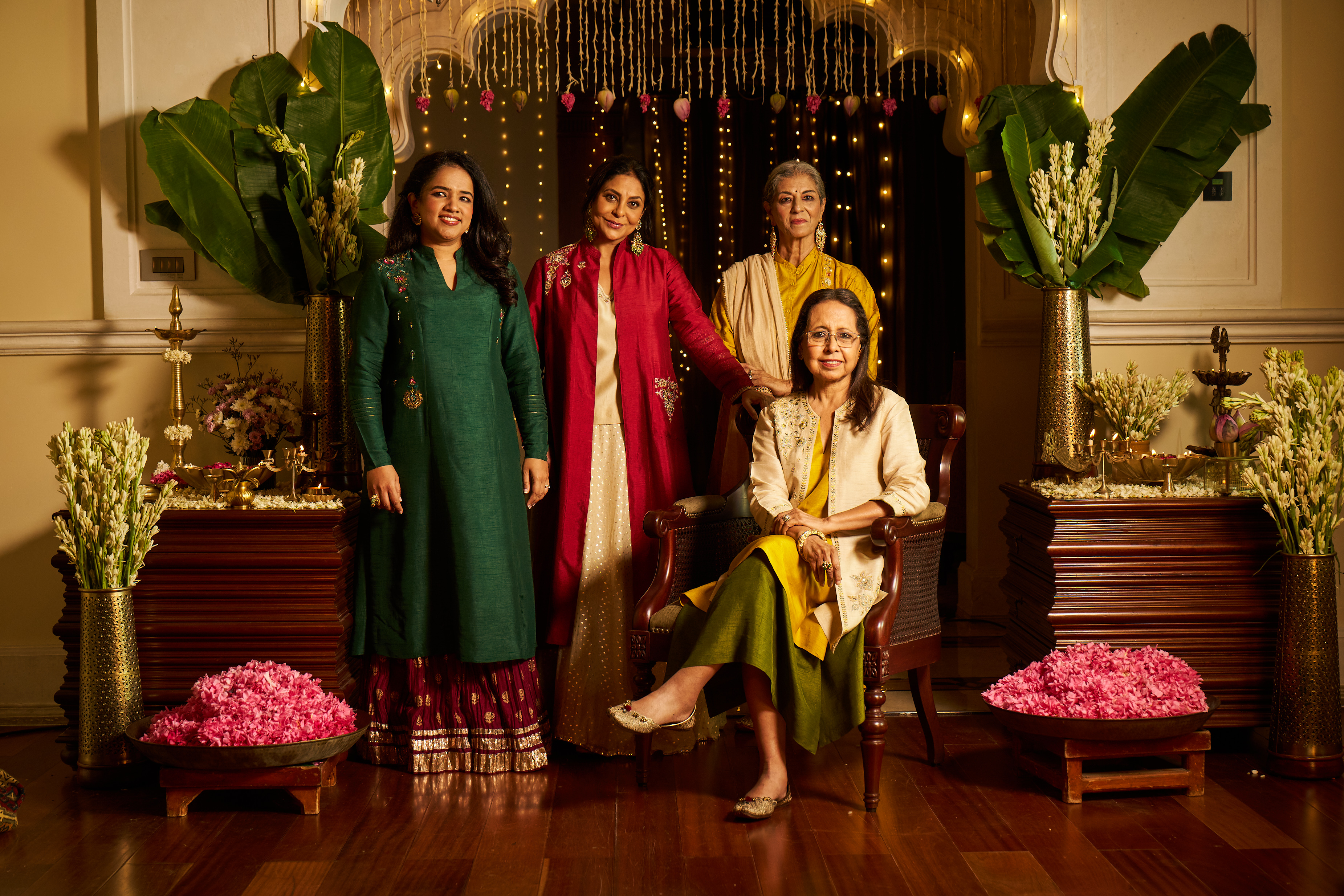
We’re celebrating this fire with four women from the creative world – Anju Modi, Shefali Shah, Gita Prakash & Bindu Subramaniam as a symbol of inner strength drawn from heritage and the enduring power of women. It is a flame lit by our ancestors, nurtured by women of substance, and passed on as light for future generations.
Anju Modi
For over 30 years, Anju Modi has celebrated Indian craft by blending age-old traditions with modern design. From couture runways to iconic films like Bajirao Mastani and Ram Leela, her work keeps heritage alive while dressing the woman of today. She has become a custodian of culture and craft on the global stage, honoring artisanal legacies while reimagining them for contemporary times.
Shefali Shah

An acclaimed actress and artist, brings depth, grace, and truth to every role she inhabits. She doesn’t just play strong women; she is one —rooted in tradition, fierce in spirit, and unafraid to speak truth. In Shefali, we found the soul of our story, an embodiment of strength, resilience, and the fire that fuels change.
Dr. Gita Prakash
A former Army doctor turned model, she embodies the fire of reinvention—bold, resilient, and deeply rooted in inner strength. Her journey reflects a legacy of empowered women redefining every stage of life. In her, fire becomes a quiet force that transforms tradition into fearless self-expression.
Bindu Subramaniam
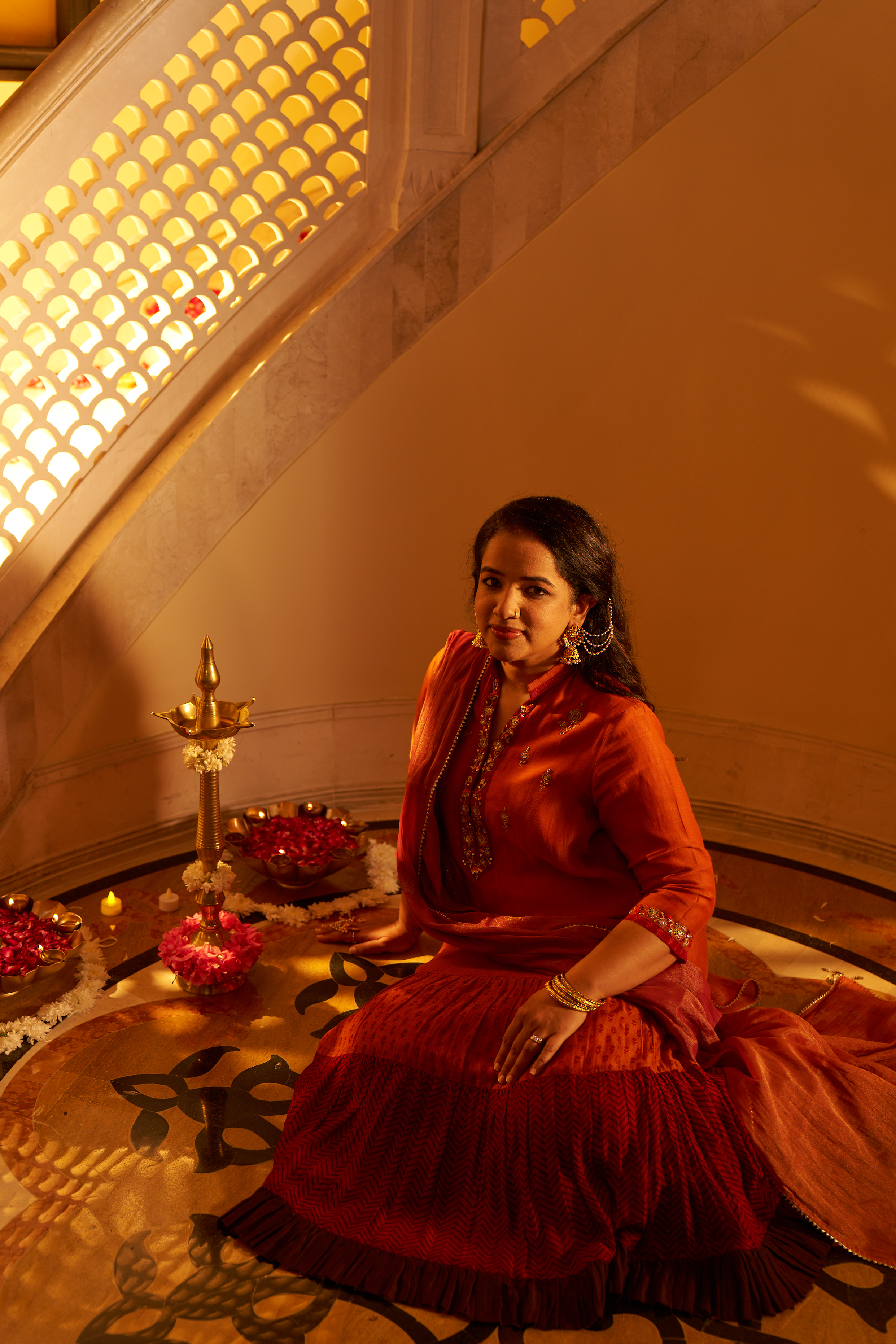
Singer, songwriter, entrepreneur, and educator she channels the fire of her musical heritage into a voice that is boldly her own. Her sound reflects strength, tradition, and the evolving spirit of women. As co-founder of SaPa, she nurtures the next generation, keeping that fire alive through creativity and leadership.
Together, these women remind us that fire is not just a source of light but a legacy, carried in spirit, passed through stories, and woven into the fabric of who we are.
Unveiling the Craftsmanship
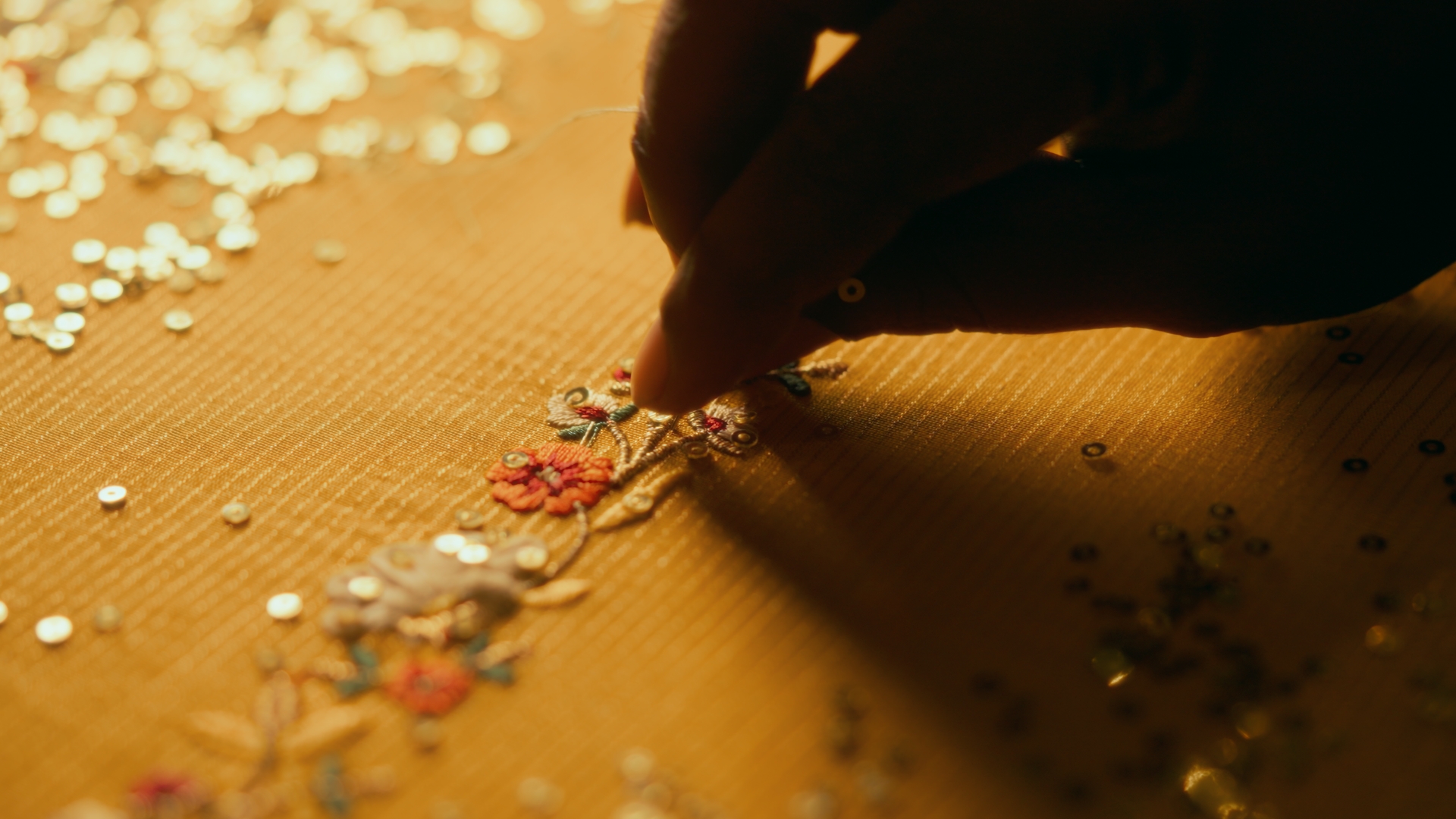
Zardozi Embroidery
Originating from central asia in the 12th century it was adorned by rich & royal classes only. In earlier times, actual gold and silver wires were used, along with seed pearls and gems stones. Today Lucknow, Uttar Pradesh is the spiritual and economical home of Zardozi needlework. The legacy of Zardozi has inspired new generations of artists to work toward preserving and elevating this ageless and excellent art form so that it may continue to be enjoyed and admired by future generations.
The Process
- Design Tracing: Patterns are hand-drawn onto rich fabrics like silk, velvet, or satin.
- Framing: The fabric is stretched tightly over a wooden or bamboo frame called an addaa.
- Ari Work: Using a hooked needle (ari), artisans stitch metallic threads through the fabric—core to zardozi embroidery.
- Embellishing: Gold and silver wires, sequins (sitaras), beads, and other decorative elements are added.
- Finishing Touches: The fabric is removed, cleaned, ironed, and prepared for final use or sale.
Zari Embroidery
Zari originated in ancient Persia and was brought to India by Persian migrants between 1700 and 1100 BCE, later flourishing under the Mughal Empire, especially Emperor Akbar. Today, cities like Surat and Varanasi keep the craft alive, blending tradition with modern metallic threads.
The Process
- Thread Making: Zari threads are made by wrapping fine gold, silver, or metallic foil around a silk or cotton core.
- Weaving into Fabric: The threads are woven directly into the fabric (usually silk) using traditional handlooms or power looms.
- Pattern Creation: Intricate patterns, such as floral, paisley, or geometric designs, are created during the weaving process itself.
- Fabric Finishing: After weaving, the fabric is polished and finished to enhance the sheen and bring out the richness of the metallic threads.
- Final Product: The finished textile, often used in saris, lehengas, and dupattas, has a rich, shimmering effect that reflects light beautifully.
Khadi/Khari Block Print
The Khari block print craft is also known as tinsel printing & chamki work, originated in Rajasthan, with artisans from the Chippa community, particularly in the Jaipur and Kachchh regions. It is now practised in both Rajasthan and Gujarat due to the migration of artisans. The craft involves printing fabrics using gold and silver powder, resulting in sparkling, rich prints. Khari-printed cloth was also used for the decoration of temples.
The Process
- Roghan Paste Prep: Castor and turpentine oils are boiled into a thick gum-like paste.
- Block Printing Begins: The paste is applied using unique metal-and-wood blocks (sancha and hatha), forming delicate motifs of dots and lines.
- Mica Magic: While the paste is still wet, gold or silver mica is dusted on, sticking to the pattern.
- Final Touches: Once dry, excess mica is collected for reuse. Unlike other prints, Khari stays on the surface, mimicking the look of metallic embroidery, without stitching.
This Diwali, the Jaypore X Anju Modi collection invites you to connect with your roots and celebrate timeless craftsmanship. Each piece carries the light of heritage, the strength of women, and the spirit of India’s artisans.
May this festival remind us that light is not just to see but to believe and carry forward.



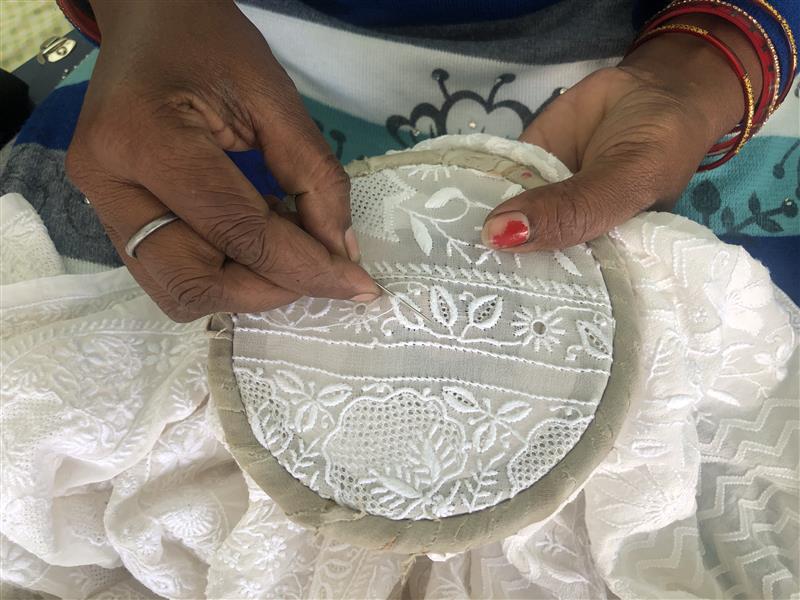
 Storytellers of Wonder
Leave a comment