
In the heart of northern Karnataka lies Bidar, a fortified hilltop town known for its red stone cliffs, grand Sultanate-era palaces, and centuries-old artistic legacy. In the 14th–15th centuries, Bidar flourished under the Deccan Sultanate, becoming a vibrant crossroads where Persian refinement met Deccani imagination. It was in this thriving cultural world that the story of Bidri truly began.
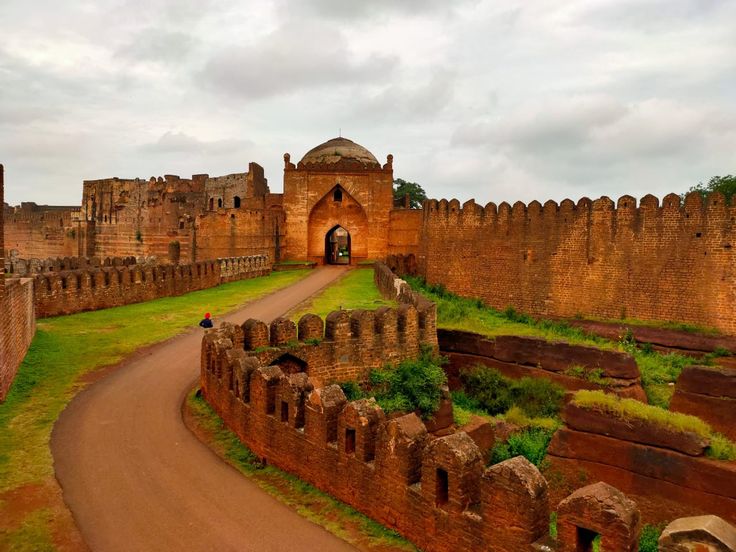
Table Of Contents
- Origin of Bidri Craft
- How Bidri Jewelry Is Made: The Process
- Types of Bidri Motifs
- The Revival
- Bidri Jewelry at Jaypore
- Care & Maintenance Tips
Origin of Bidri Craft
Into this bustling seat of art and architecture arrived Abdullah bin Kaiser, a Persian master metalworker whose skill in silver inlay was legendary. Drawn to Bidar’s artistic energy, he found local craftsmen eager to learn and innovate. Together, they blended his Persian inlay techniques with the Deccan’s distinctive design language, creating a striking new craft: a glowing silver-inlaid metal set against a deep, velvety black surface.
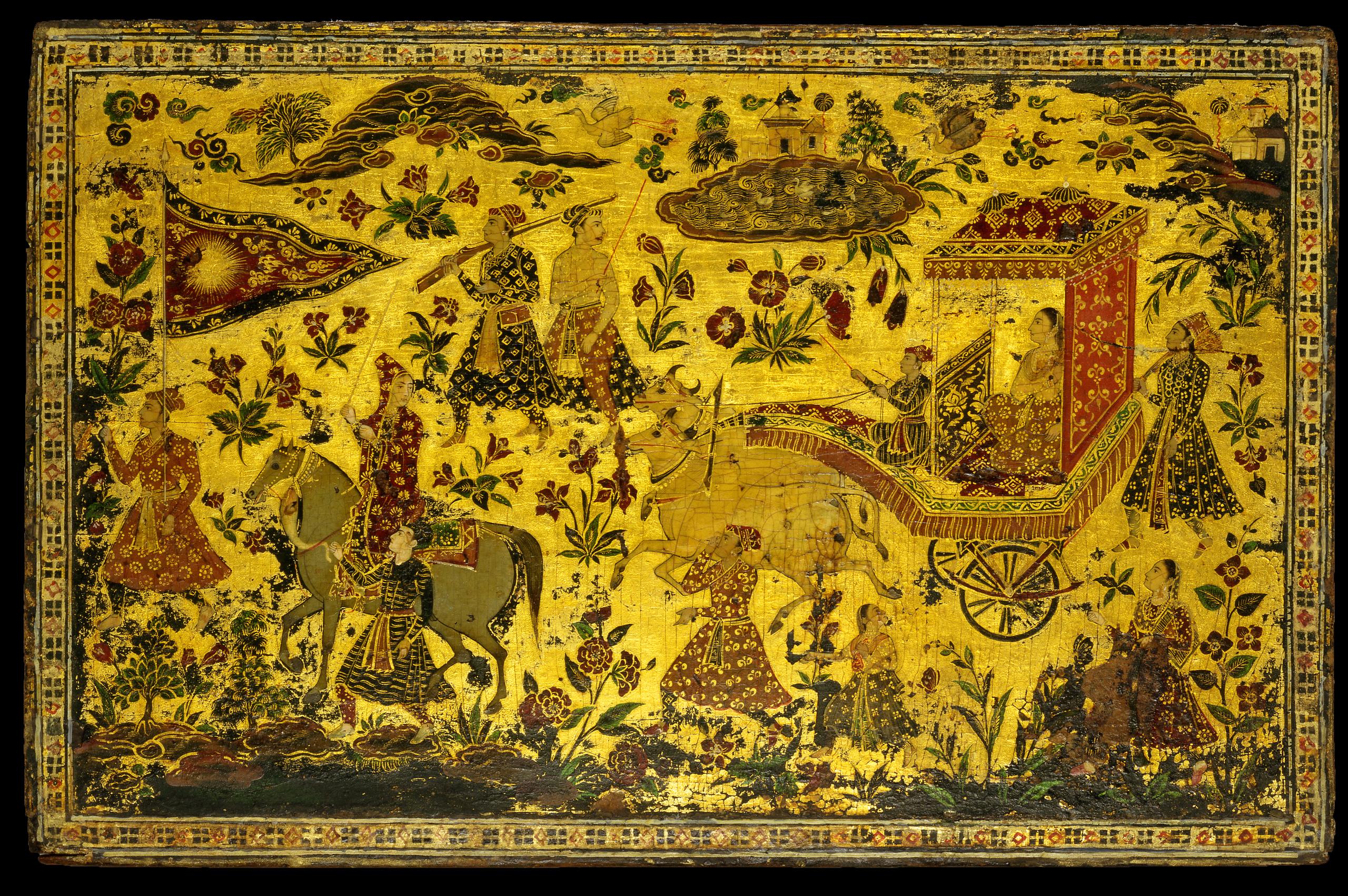
Abdullah’s work caught the attention of the Barid Shahi dynasty, rulers known for their keen patronage of beauty and craft. Under their encouragement, Abdullah and his circle of artisans refined the technique, experimented with motifs, and elevated Bidri from an experiment to a royal art form which was adorned, admired, and collected across courts.
As Bidri flourished, Bidar’s name became inseparable from the craft itself, a legacy of shimmering silver on midnight metal.
How Bidri Jewelry Is Made: The Process

Casting: In the quiet lanes of Bidar, artisans begin by melting zinc and copper, pouring the glowing liquid into simple molds. As it cools, the metal settles into shape, waiting to be transformed.
Designing: Once cooled, the surface is smoothed, and delicate patterns like vines, flowers, and age-old Deccan motifs, are carefully traced by hand, as though the artisan is sketching memories onto metal.
Engraving & Inlay: The designs are then gently engraved, opening fine grooves where pure silver wires are laid in. With patient taps of a small hammer, the silver nestles into place, becoming part of the story, the artisan is crafting.
Polishing: The piece is polished until metal and silver settle into a quiet harmony, soft, muted, and waiting for its final awakening.
Blackening: The magic begins with Bidar’s own black soil, made into a paste from the earth of the ancient fort and gently rubbed onto the metal. As the alloy deepens into a rich, velvety black, the silver remains untouched and luminous beneath it, creating Bidri’s signature contrast, like moonlight resting against a night sky.
Final Burnishing: With a final polish, the silver glows brighter, blooming against the darkened background. The piece now carries not just craftsmanship, but the quiet soul of Bidar, its history, its earth, and the hands that shaped it.
Types of Bidri Motifs

- Floral and Foliage Motifs: Inspired by Persian gardens, these designs symbolize beauty, paradise, and spiritual harmony, often featuring lotus, vines, and roses.
- Geometric and Arabesque Patterns: Reflecting Islamic art traditions, these motifs convey themes of infinity, divine unity, and order through intricate latticework and star shapes.
- Calligraphy and Religious Inscriptions: Arabic script and Quranic verses are used to express reverence and spiritual depth, especially on ceremonial items.
- Native Indian Symbols: Motifs like peacocks, parrots, elephants, and fish add local flavor, representing royalty, love, wisdom, and abundance.
Even with such timeless designs, Bidri faced tough times, highlighting the need for revival to keep this heritage craft alive
The Revival
Through coordinated efforts in skill development, the Development Commissioner (Handicrafts) offers design and technical training programs to help artisans master both traditional and modern techniques.
NGO partnerships, led by groups like Sahayog, support artisans through SHGs, credit access, improved tools, welfare schemes, and exhibitions. Additionally, craft councils and state agencies promote Bidri through marketing platforms, trade fairs, and youth-focused training, ensuring the craft’s continuity and visibility.
Jaypore curates and retails Bidri jewellery, giving artisans from Bidar direct access to national and global audiences and helping revive demand for the craft. By showcasing their work online and across its network of physical stores, Jaypore expands visibility and market reach. Artisans refresh traditional designs for modern tastes, ensuring the craft remains relevant, desirable, and economically sustainable.
Bidri Jewelry at Jaypore
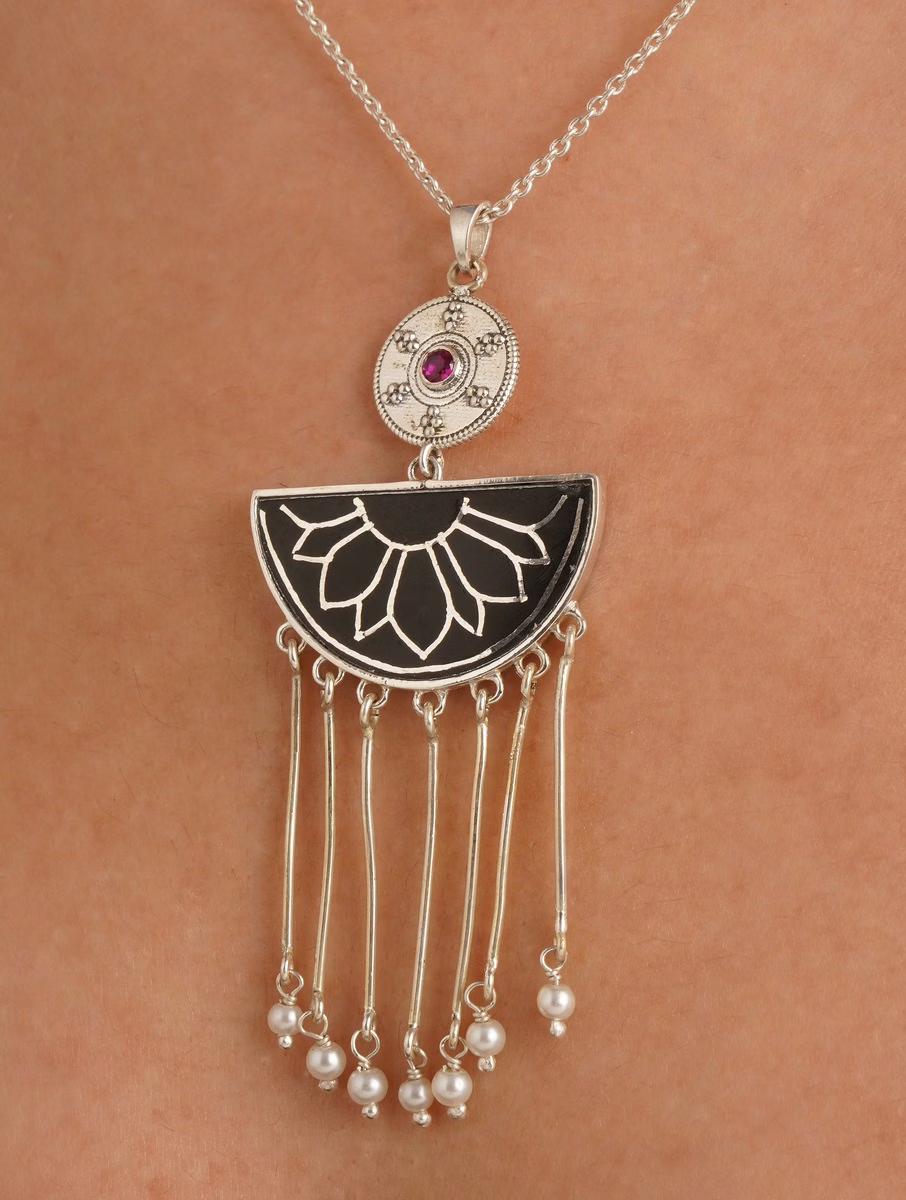
From the regal courts of Bidar to today’s artisanal ateliers, Bidri jewelry is a living legacy of history, craftsmanship, and cultural pride. At Jaypore, from necklaces like the Jaypore Bidri Sterling Silver Necklace to Jaypore Bidri Sterling Silver Top Earrings, is made using labor intensive techniques, giving it historical depth and modern appeal. We celebrate and preserve this timeless craft, bringing it to those who value artistry, heritage, and the stories woven into every creation.
Care & Maintenance Tips
- Keep It Dry: Protect it from water, sweat, and humid environments, as moisture can dull its blackened finish and tarnish the silver inlay.
- Clean Gently: Wipe with a soft, dry cloth after use. Avoid chemical cleaners, silver polish, or abrasive materials.
- Store Safely: Wrap in muslin or velvet and store in a dry, airtight box to prevent scratches and oxidation.


 Storytellers of Wonder
Leave a comment