
From bonfires to kites, from til-gur to overflowing harvest pots, India welcomes the new season in many names. In Punjab, it begins with Lohri, where bonfires crackle and gur, gajak, and til sweets celebrate the warmth of the community, leading up to Baisakhi, when gehū fields sway to the jubilant beat of the dhol. In Tamil Nadu, Pongal and Sankranti mark the season, simmering gently like a kumbh of gratitude. In Assam, Bihu dances with the breeze, a joyful tāl of unity and abundance. In Kerala, Onam flows like a river of ānanda, bringing entire villages together in sāmāgri and utsav. Different instruments, different tunes, yet all play the same timeless melody of thankfulness to the sūrya, varsha, and mṛtti.
This is the season when India feels closest to itself. Like a family coming together after a long year apart, it reminds us that before cities, before borders, there is the land, and that our lives, our stories, and our celebrations are all rooted in it. In gathering the crops, India gathers itself again, season after season, festival after festival, in a dance as old as the earth itself.
Table Of Content
The Harvest That Connects India
From north to south, east to west, harvest festivals are threads in India’s living tapestry, each unique yet echoing the same timeless gratitude to the sun, the soil, and the seasons.
Lohri: Flames of Gratitude
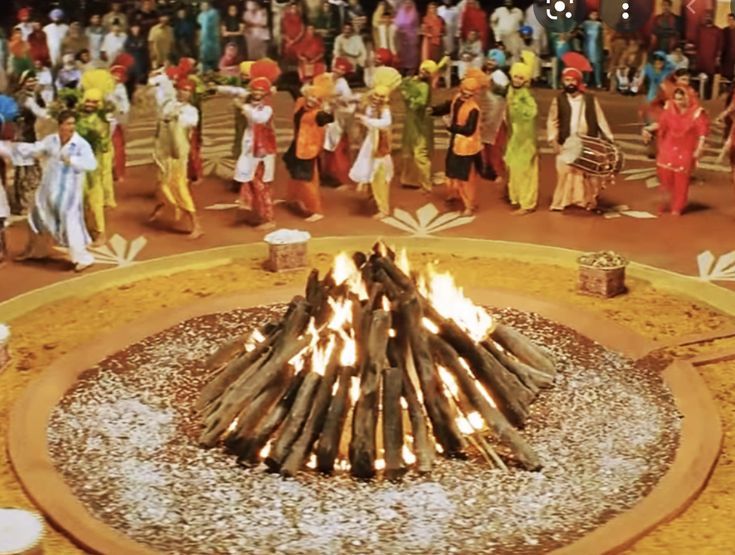
Long before the bonfire crackles, artisans in the villages are busy with phulkari, beautifully embroidered shawls and dupattas, woven in Resham threads of red, gold, and orange, colors that echo the flames of the Lohri fire. The word Phulkari literally means “flower work,” and each pattern tells a story of the land, the people, and their hopes for a bountiful harvest.
Handmade juttis, adorned with moti and mirrors, are footwear ready to twirl to the dhol’s tāl. Torans crafted from mango leaves, marigold flowers, and bright cloth are hung at every entrance to welcome prosperity.
A fascinating tradition links the bonfire directly to the fields, the ash from Lohri’s bonfire was kept and sprinkled in the fields, believed to protect crops from pests and promote fertility of the soil.
Pongal: When the Pot Overflows with Joy
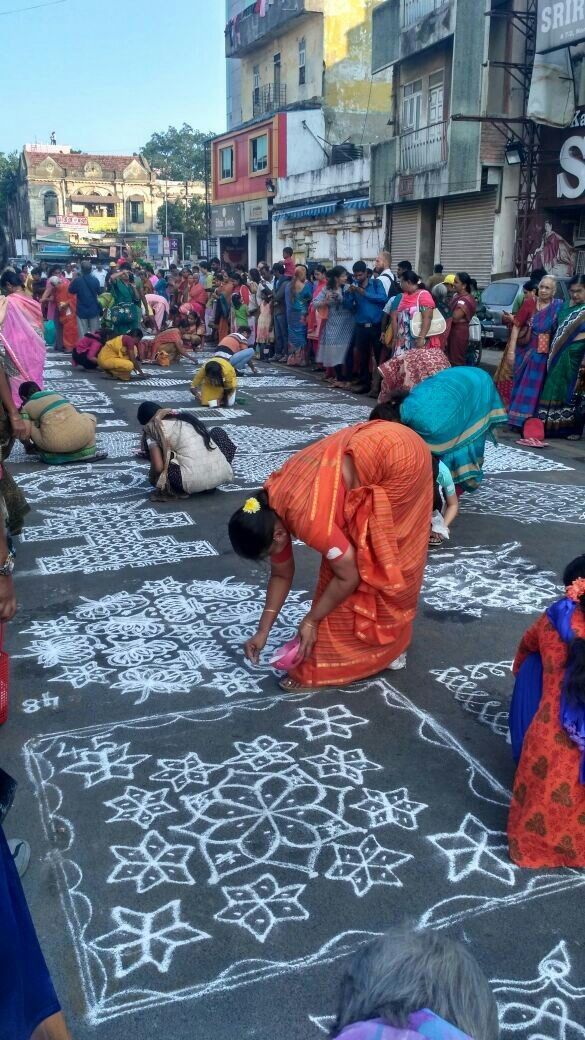
In Tamil Nadu, courtyards come alive with intricate kolam designs, drawn with raw rice flour, not just for beauty but to feed birds, connecting art, nature, and gratitude for the harvest. The first rice of the season is boiled in a decorated clay kumbh (pot) until it overflows, this overflow, called Sakkarai Pongal, it is considered auspicious and symbolizes abundance, prosperity, Homes are adorned with handwoven silk and cotton textiles, from resplendent sarees to crisp dhotis, reflecting the colors of ripening fields.
People dress in Kanchipuram silk, Madurai cotton, Chettinad cotton, and Coimbatore cotton, turning clothing into a celebration of artistry. Pongal is where kala, clothing, and harvest converge, transforming homes and hearts into a festival of joy and color.
Magh Bihu: Celebrating the First Grain
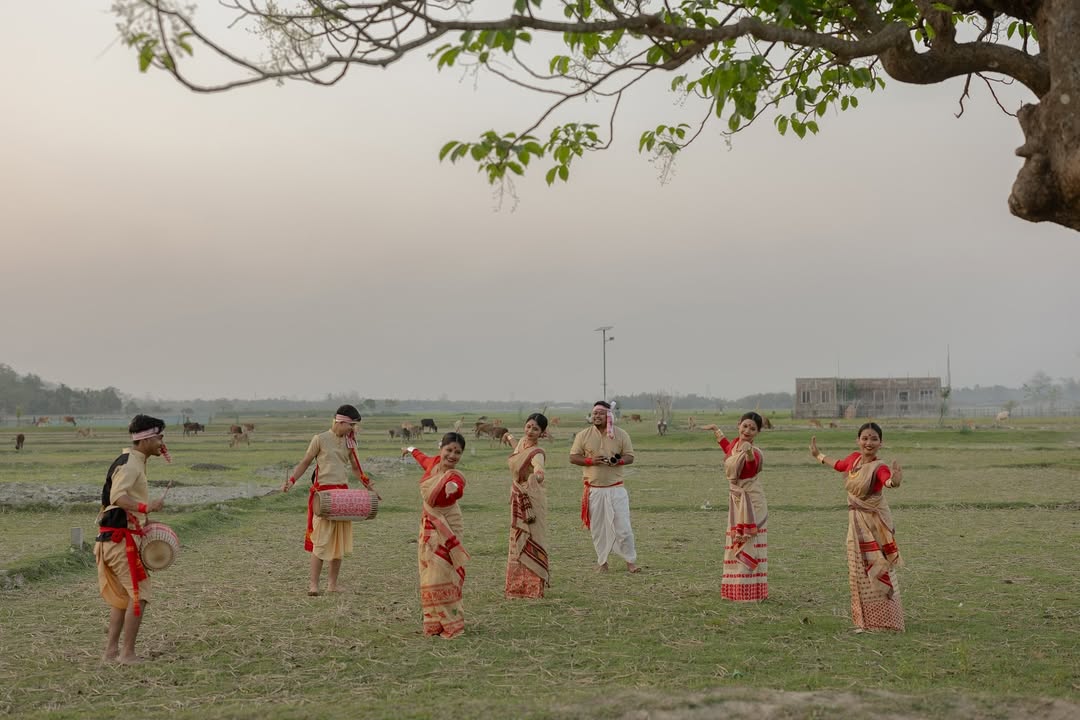
As winter gives way to the warmth of Magh, Assam awakens to Bhogali Bihu, the harvest festival of feasts, fire, and craft. Villagers gather around the bhelaghar, small huts of bamboo and thatch, where the first rice of the season is boiled and shared. Women wear the traditional mekhela chador, a handwoven two-piece attire consisting of the mekhela, a cylindrical lower garment, and the chador, draped elegantly over the shoulder, often adorned with silk and golden zari. Men wear finely woven cotton dhotis, turning clothing into a celebration of artistry and abundance.
Fun fact: Some mekhela chadors feature tiny motifs of rice grains, fish, or traditional animals, symbolizing prosperity and linking fabric to the land’s bounty. Bamboo baskets, mats, and trays hold harvested grains, blending utility and beauty. Magh Bihu brings together the hands that sow, weave, and build, turning the harvest into a living celebration of community.
Sankranti: Sun, Rice, and Skyward Dreams
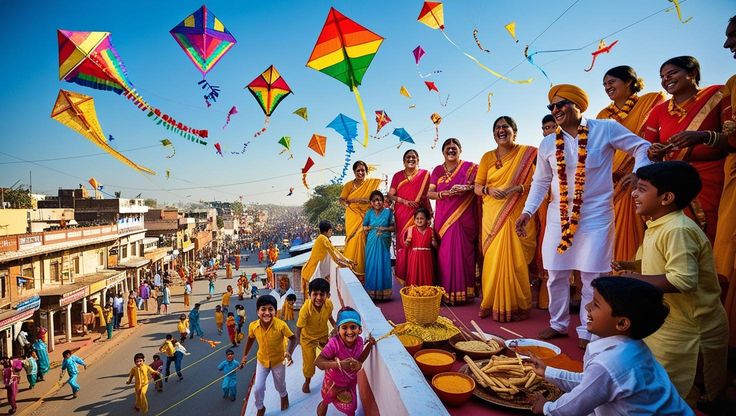
Makara, the zodiac sign of Capricorn, marks the sun’s northward journey, bringing warmth, longer days. On this day India celebrates Makar Sankranti, a harvest festival honoring the giver of light, warmth, and life. Unlike other harvest festivals that focus on crops, Makar Sankranti celebrates the sun through vibrant crafts and colors. People wear handwoven silk and cotton textiles, including Patola, Khadi, and traditional silk sarees, their bright hues reflecting golden fields. Kites painted with intricate motifs soar into the sky, while bamboo torans, straw mats, and straw cow figures hold offerings or decorate homes, blending artistry with utility. The sun’s journey inspires crafts and festive attire, creating a tapestry of abundance, tradition, and creativity in every home, courtyard, and sky.
Fun fact: In rural households, Sankranti was also the day when winter-worn textiles were aired in the sun, a ritual believed to renew both cloth and spirit for the coming season.
Heritage Woven in Every Celebration
Harvest festivals are the secret keepers of India’s living history. Behind every kolam, every embroidered shawl, every bamboo toran, and every hand-painted kite lies a story of ancestors, rituals, and regional traditions waiting to be discovered. In Punjab, farmers once tied tiny clay figures of animals to their ploughs during Lohri, believing it would bring strength and protect the harvest. In Tamil Nadu, families offer sugarcane stalks to cows during Pongal, honoring the animals that sustain agriculture. In Assam, fishermen sprinkle a few grains into rivers during Magh Bihu, praying for a good catch alongside a bountiful harvest. During Makar Sankranti in Maharashtra, people exchange tilgul sweets with the phrase ‘Tilgul ghya, god god bola,’ symbolizing goodwill, friendship, and the sweetness of life. These subtle acts, often passed down quietly through generations, carry hidden stories of faith, gratitude, and the deep connection between communities and the land.
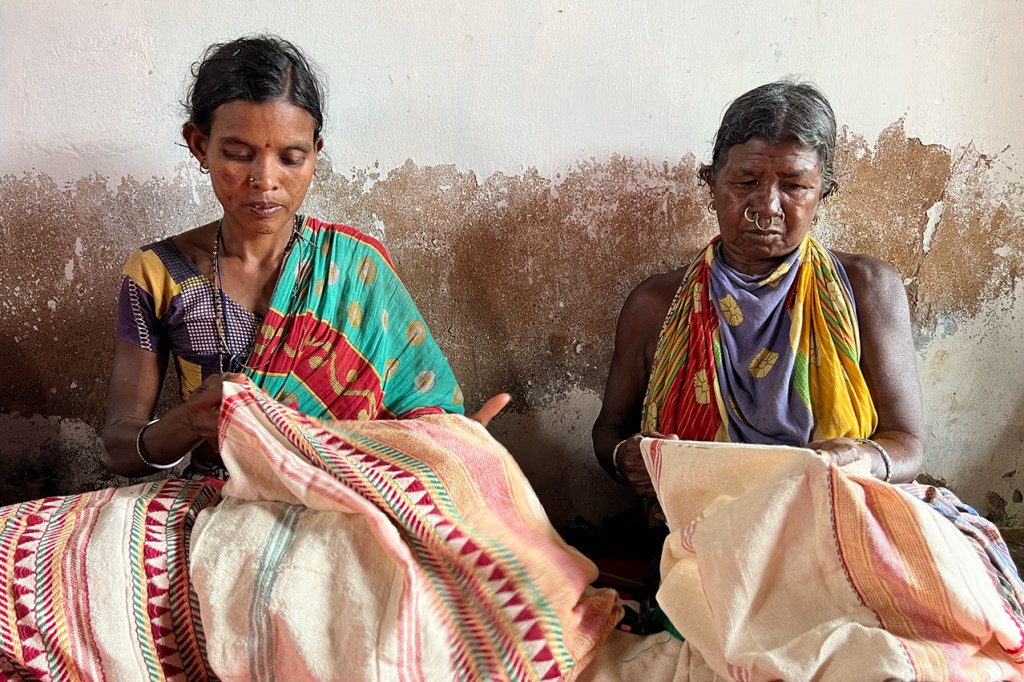
At Jaypore, this living heritage comes alive through handwoven textiles, embroidered shawls, and artisan-made home décor, each piece carrying the stories, colors, and creativity of India’s villages. Just as festivals gather communities in gratitude, Jaypore brings these timeless crafts to your home, letting you celebrate the harvest, the artistry, and the soul of India, no matter where you are.


 Storytellers of Wonder
Leave a comment