
A Desert Land Bursting with Color
References to Central Asia often conjure images of vast sandy deserts and arid landscapes. Yet look closer and you discover colors so vivid that they mesmerize the eye. From Uzbeki ikat robes to wall hangings adorning carved doors, the vibrancy of these textiles lives up to their name. In Persian, ikat is called abr or cloud, as these patterns are considered a reflection of clouds in still water, offering a poetic escape from the heat of the desert.
Table Of Contents
- A Desert Land Bursting with Color
- The Art of Ikat Weaving
- Craftsmanship and Community
- Legacy of Silk Ikat Today
The Art of Ikat Weaving
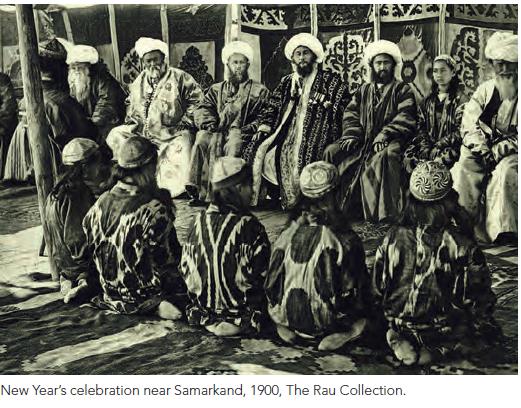
Ikat is a weaving technique where threads are resist dyed on either the warp or weft before they are woven to create a pattern. While ikat has been practiced for centuries in many parts of the world, it reached its artistic peak in Central Asia during the nineteenth century. Production was largely centered in Bukhara and Samarkand in modern day Uzbekistan and Kunduz and Kabul in Afghanistan, along the trade route connecting China to the Mediterranean.
Craftsmanship and Community
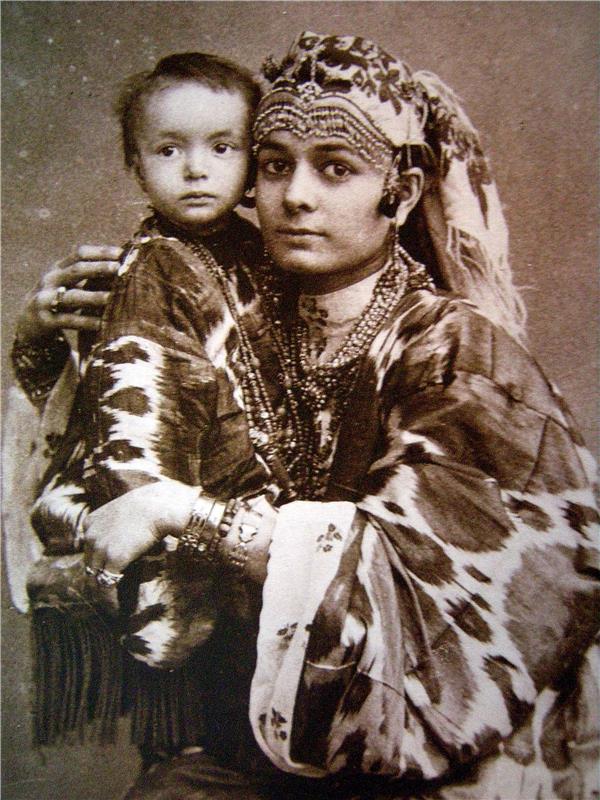
Ikat making was a collective effort involving several members of the family and groups from diverse backgrounds. Women tended the silkworms while men worked the looms to weave the intricate patterns. These silk fabrics were not only a mark of status in clothing but also served as decorative hangings within homes.
Legacy of Silk Ikat Today
Even after Russian rule and industrialization transformed the region, rich silk ikats remain the national fabric of Uzbekistan. They continue to celebrate the extraordinary textile heritage and craftsmanship of Central Asia.

Today, the legacy of Central Asian ikat lives on through Jaypore’s collections that celebrate color, craftsmanship, and heritage. The Prayan collection brings this timeless artistry into modern homes with handwoven textiles, vibrant décor, and elegant serveware inspired by the patterns and spirit of ikat. Each piece is a tribute to skill, tradition, and the joy of bringing heritage into everyday life.



 Storytellers of Wonder
Leave a comment