
Silver has always had a special place in Indian homes, from jewellery and coins to puja thalis and investments. But its price story over the years? Pretty fascinating.
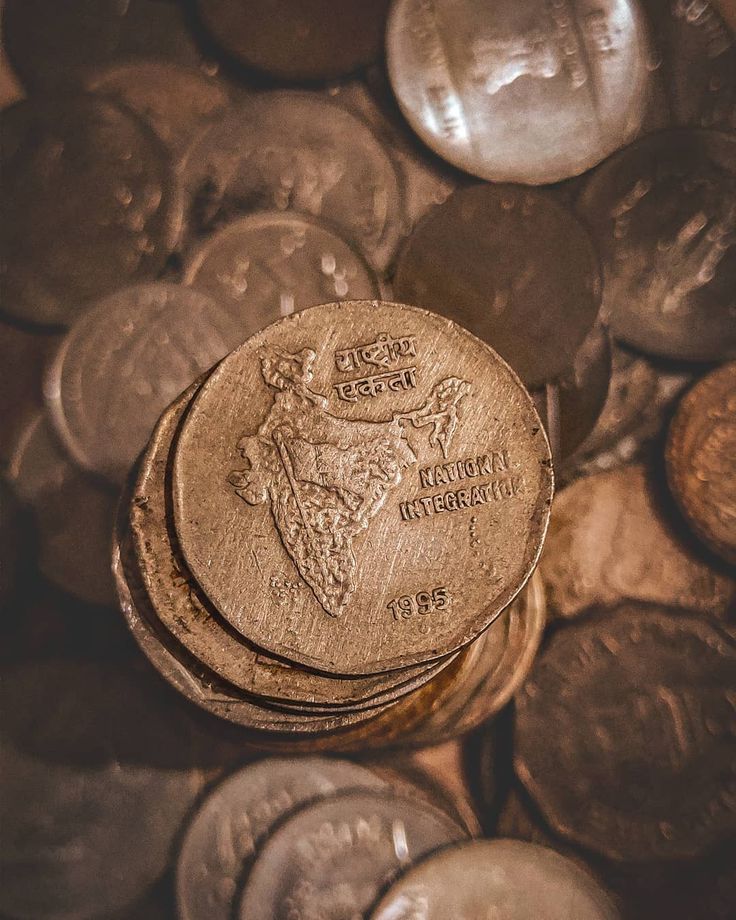
Not too long ago, silver was considered the “affordable” precious metal. In the early 2000s, prices hovered around ₹5–7 per gram, making it a popular choice for small savers. Then came the global financial crisis of 2008, and silver started gaining attention as a safe-haven asset, pushing prices higher.The real surprise came in 2011, when silver shot up dramatically and crossed ₹60 per gram in India, driven by global uncertainty and strong investor demand. After that spike, prices cooled off and moved up and down for several years. Fast-forward to recent times, with rising industrial demand, inflation worries, and global market volatility, silver has climbed to record highs in India, crossing ₹300 per gram. What was once seen as a budget metal is now a serious investment option. Silver’s journey in India shows that it’s not just a shiny metal for ornaments, it’s a dynamic asset that reflects global trends, economic shifts, and changing investor behaviour.
Table Of Content
- Silver Prices Are High, But Jaypore’s Jewelry Isn’t (Yet)
- What “Older Silver Prices” Actually Mean for You
- The True Worth of Handcrafted Silver
- When High Silver Prices Elevate Craft Even More
- Final Word: Craft, Culture, and a Rare Price Advantage
Silver Prices Are High, But Jaypore’s Jewelry Isn’t (Yet)
Even as silver touches record levels, Jaypore’s silver jewelry is still priced closer to older silver rates. That means when you shop at Jaypore today, you are not paying prices shaped by today’s soaring silver value.
You can save up to 40% compared to current silver rates. This is not a discount created after inflating prices. It is a genuine pricing gap, where rising silver values have not yet translated into higher retail prices. In a market where silver keeps getting more expensive, Jaypore offers a rare window to own thoughtfully crafted silver jewelry at prices that may not last for long.
What “Older Silver Prices” Actually Mean for You
When we say you are shopping at older silver prices, it is not just a pricing detail. It directly affects what you get as a buyer.From a shopper’s point of view, it means you are paying yesterday’s silver value for silver jewelry that is designed to last for decades. The craftsmanship, purity, and durability remain the same, but the cost has not yet caught up with today’s higher silver rates.
At the same time, the intrinsic value of silver has already moved up. The metal itself is worth more in the market today than when these prices were set. That creates a built-in value advantage the moment you make your purchase.So your jewelry is not only beautiful to wear. It also carries an immediate value benefit, backed by the rising worth of silver itself. In short, you are not just buying for style or sentiment. You are buying at a moment when value and design align in your favour.
The True Worth of Handcrafted Silver
Silver may be valued by weight and rate, but in handcrafted jewelry, its true worth lies in how it is shaped, softened, and brought to life by skilled hands. Across India, silver has been the foundation of age old jewelry traditions, chosen not just for its beauty but for its strength, purity, and ability to hold intricate detail. Each technique transforms silver in a different way, giving it character and meaning far beyond its market price.
- In Kundan jewelry, silver acts as the silent backbone. It is carefully refined and shaped to hold stones in place, allowing their brilliance to shine while the silver provides structure and longevity. The metal is worked slowly and precisely, creating settings that feel delicate yet enduring.
- Tribal silver jewelry celebrates silver in its most powerful form. Often left bold and substantial, the metal is hand cast and hammered to reflect strength, protection, and identity. Here, silver is not hidden or polished away. It is proudly displayed, carrying cultural symbols and stories within its weight and texture.
- In Temple jewelry, silver becomes sacred. The metal is moulded into divine forms and intricate motifs inspired by ancient temples and deities. Its natural sheen enhances detailed carvings, allowing silver to echo the spiritual richness and architectural beauty of India’s heritage.
- With Meenakari jewelry, silver turns into a canvas. Artisans apply layers of colourful enamel onto silver surfaces, firing them carefully so the colours fuse permanently with the metal. The silver beneath gives strength and depth, ensuring the vibrant designs endure for generations.
Across all these techniques, silver is more than a material. It is the constant thread that binds artistry, tradition, and craftsmanship together, proving that the real value of handcrafted silver lies in the stories it carries and the hands that shape it.
When High Silver Prices Elevate Craft Even More
As silver becomes more expensive, mass produced jewelry often responds by cutting corners. Designs become thinner, finishes turn more mechanical, and detailing is reduced to keep costs in check. The result may look similar at first glance, but the depth and character quietly fade away.
Jaypore takes the opposite route. The brand continues to invest in handcrafted detailing, traditional design languages, and time intensive processes that honour the artisan’s skill. In a time of rising silver prices, this commitment makes Jaypore’s silver not just beautiful to wear today, but meaningful and future facing for years to come.
Final Word: Craft, Culture, and a Rare Price Advantage
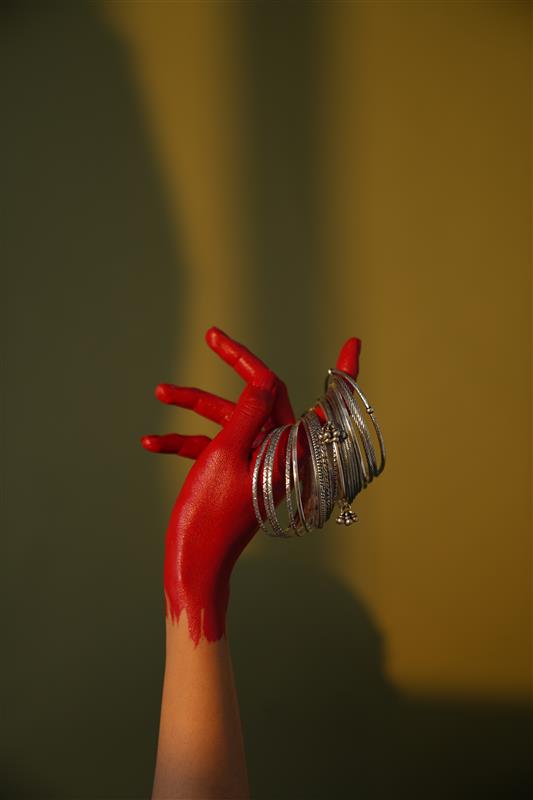
Jaypore silver jewelry has always celebrated thoughtful design and timeless Indian craft. In 2026, it also offers something truly exceptional, the chance to buy high-value silver at old-world prices. Once prices adjust to match the current silver market, this rare window closes. Shopping now allows you to lock in value, bring home heritage craftsmanship, and invest in jewelry that carries both cultural depth and financial sense.If silver has been on your wishlist, this moment is about more than shopping. It is about choosing craft over convenience, heritage over trends, and value over impulse.


 Storytellers of Wonder
Leave a comment