
Do you remember the first piece of jewelry you ever wore? Perhaps, a pair of tiny silver anklets that jingled with every movement? Chances are, you don’t, but if you look back, you can feel it: the gentle tug of love in every knot, the quiet blessings wrapped around your tiny wrists and ankles. These weren’t just ornaments; they were promises of protection, of care, of generations looking out for you even before you could remember. In India, jewelry has always been more than adornment. It is memory, tradition, and love made tangible. A language of love passed down before we even learned to speak it.
And yet, the story of jewelry is not confined to our childhood memories. It travels, transforms, and finds new life across continents and generations. Take, for instance, the statement necklace Margot Robbie wore to the premiere of Wuthering Heights. She chose the legendary Taj Mahal diamond necklace. This heart–shaped diamond was originally part of a Mughal heirloom, believed to have been gifted by Emperor Jahangir to his wife Nur Jahan in the 17th century, with a Parsee inscription that reads “Love is Everlasting.” Later, it was associated with Mumtaz Mahal, before becoming part of Cartier’s collection and eventually a gift to Elizabeth Taylor from Richard Burton in 1972.
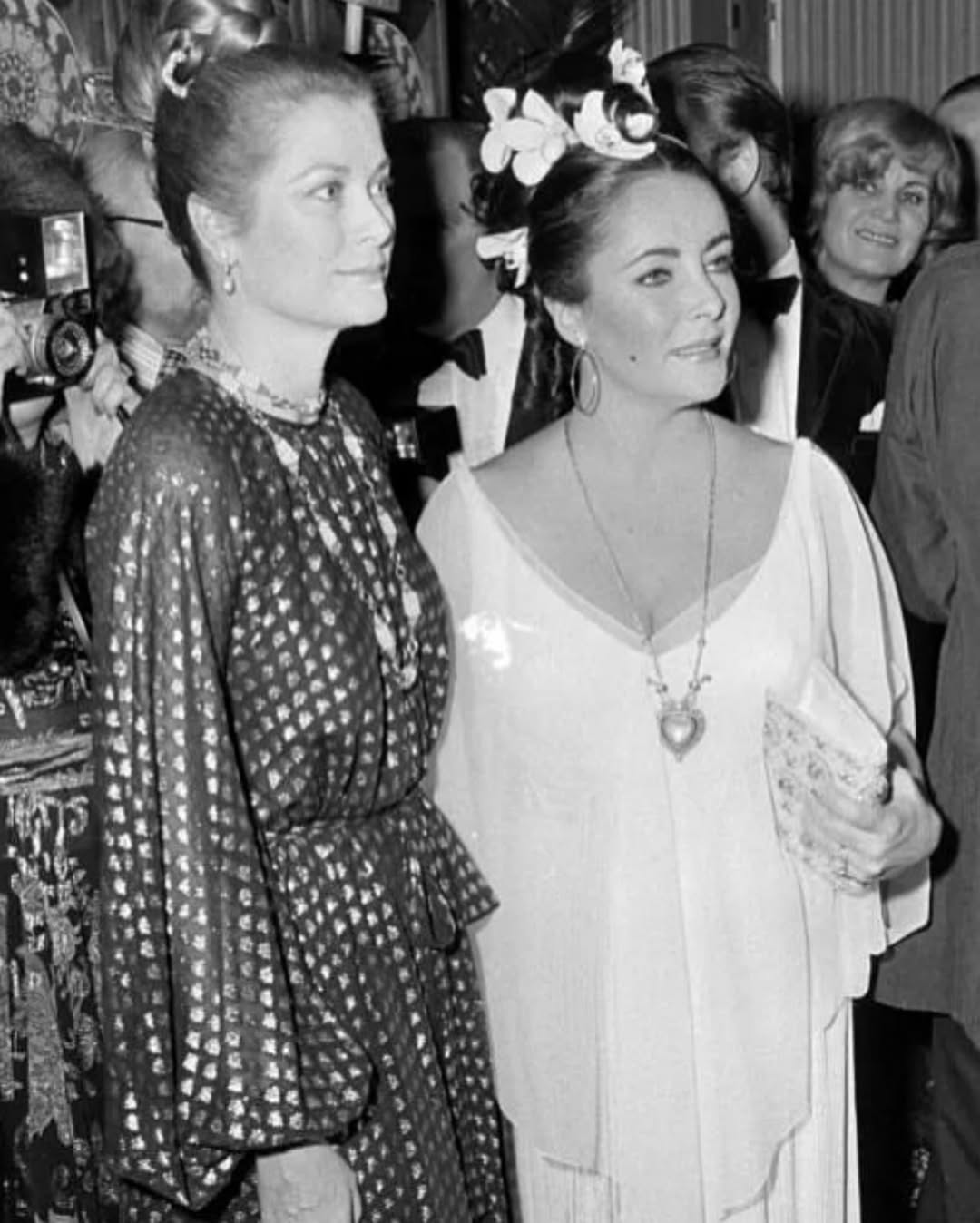
This moment highlighted the power of India’s jewelry traditions, where a single piece can weave together love, history, and heritage across generations and cultures. This is the power of India’s jewelry traditions. Where craftsmanship carries history. Where beauty holds belief. Where a single piece can connect love stories across centuries and cultures.
Origin & Techniques of handcrafted jewels from different regions of India
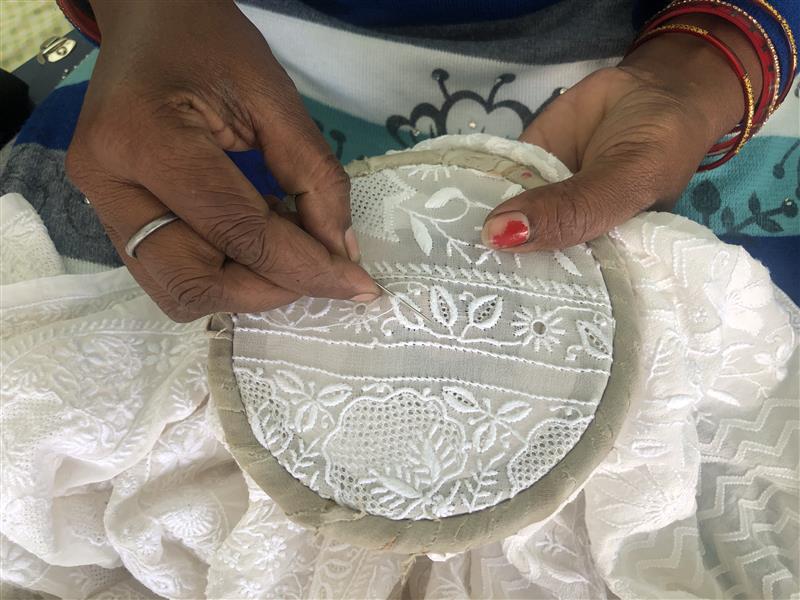
This deep relationship between jewelry and memory is rooted in the way Indian ornaments are made, not in factories, but in places of worship, in tribal hamlets, and in craft clusters where skill is passed hand to hand, generation to generation. Across India, each tradition carries its own rhythm, ritual, and technique, whether it is sculpted in wax, cast in fire, or inlaid by hand over weeks of patient labour. To understand Indian jewelry is to understand these worlds; the people, processes, and beliefs that shape every piece long before it is worn. Rooted in geography, shaped by history, and refined by generations of artisans, India’s jewelry traditions are as diverse as its landscapes. Each region developed its own techniques, materials, and motifs, influenced by local beliefs, royal patronage, and everyday life. Together, these crafts form a living map of India’s cultural legacy, where every ornament tells a story of where it comes from and the hands that brought it to life.
Temple Jewelry
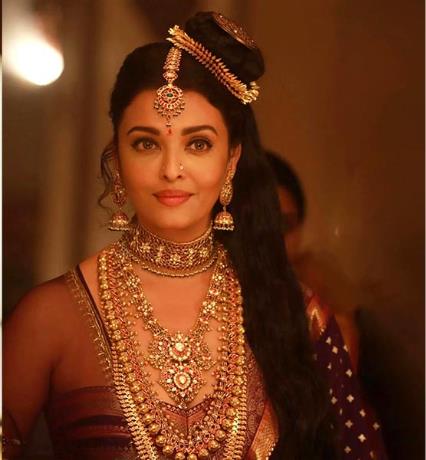
If you’ve ever watched a Bharatanatyam performance or seen Ponniyin Selvan, you’ve glimpsed temple jewelry in motion, not as decoration, but as devotion. It was first created in the Chola temples of Tamil Nadu in the 9th century to adorn stone idols during elaborate daily rituals and grand annual processions. These ornaments followed strict iconographic rules laid down in the shilpa shastras, ensuring divine proportions in every motif. When devadasis and later classical dancers adopted them, the jewelry transformed performers into living embodiments of the deity. Many original temple jewels were lost or melted down during invasions, making today’s designs acts of revival rather than exact replication.
Kundan Jewelry
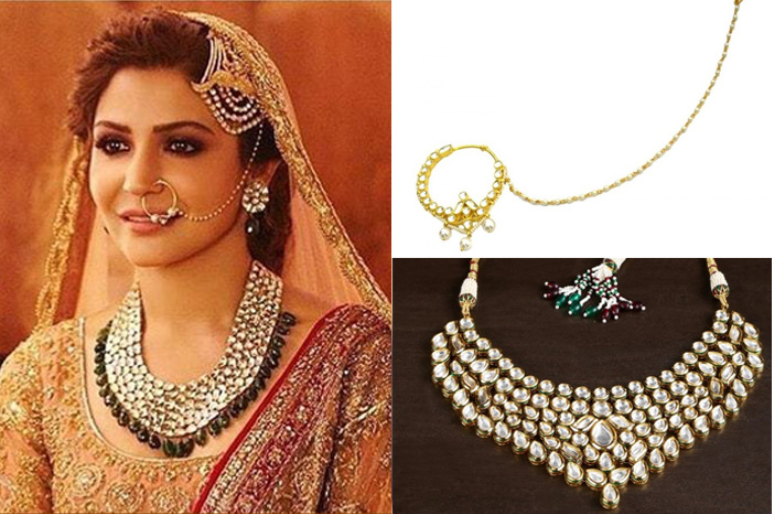
For centuries, Kundan has been synonymous with royal romance, think Mughal-e-Azam, where jewels seemed to hold entire courtly worlds. Originating in the 16th century under Mughal patronage in Jaipur and Ahmedabad, Kundan’s brilliance lies in invisible engineering: gemstones are set using ultra-purified gold foil, heated until pliable enough to hold stones without glue. Traditionally, the reverse was often more ornate than the front, decorated with enamel or engraving meant only for the wearer. This hidden beauty symbolised refinement and discretion, recurring themes in Mughal poetry and miniature paintings.
Tribal Jewelry
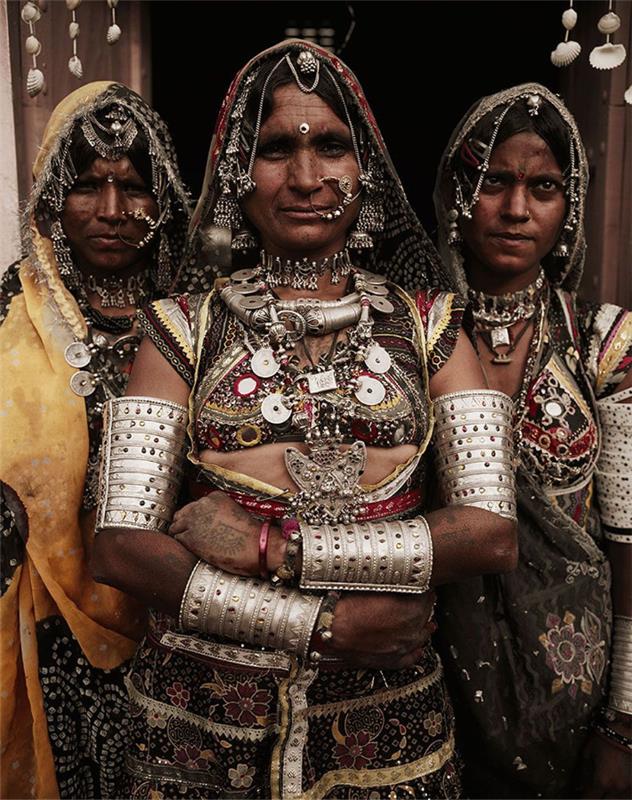
Centuries ago, in the deserts of Rajasthan or the forests of the Northeast, you could tell a woman’s tribe, marital status, and social standing at a glance just by looking at her necklace. Across Rajasthan, Central India, and the Northeast, tribal communities were crafting jewelry as early as 3000 BCE, long before royal courts existed. These pieces were a language of survival and identity, carrying meaning far beyond ornamentation. Silver, believed to absorb negative energy, was preferred over gold. Many ornaments doubled as movable wealth, designed to be dismantled in times of need. Folklore, oral storytelling, and modern films like Masaan and Newton capture these jewels as talismans of protection and rootedness rather than symbols of luxury.
Meenakari Jewelry
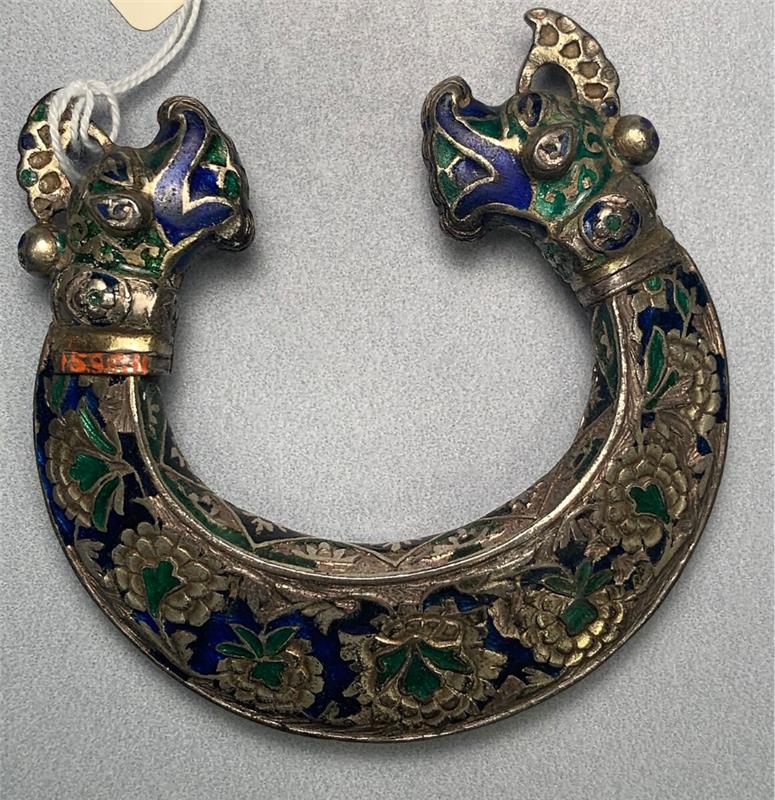
When you see the vibrant reds and greens in Rajasthani palaces or manuscripts, you are glimpsing Meenakari, which arrived in the 16th century with Persian enamellers during the Mughal era. Finding royal favour in Jaipur, artisans mastered a process that demands extraordinary precision, as each enamel colour requires firing at a different temperature. Early Meenakari was often hidden on the reverse of Kundan jewelry, turning the back into a private canvas of colour. Reds were traditionally derived from powdered rubies, while greens came from copper compounds. Over time, these vibrant surfaces became signatures of individual workshops, celebrated in Rajasthani poetry and miniature paintings as a language of joy and prosperity.
Jadau Jewelry
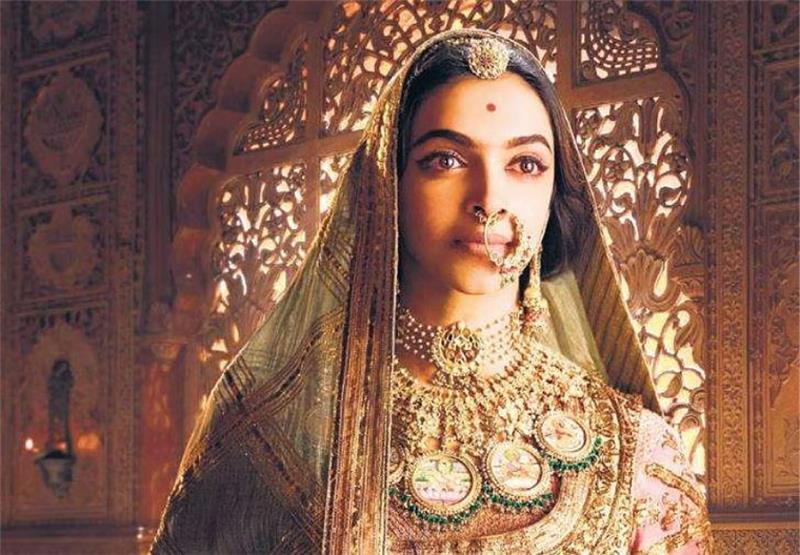
In films like Padmaavat and Jodhaa Akbar, Jadau jewelry dazzles as a symbol of royal grandeur and lineage. Originating in the 17th century in the courts of Rajasthan and Gujarat, it is a collaborative craft that combines Kundan stone-setting with Meenakari enamelling. No single artisan completes a piece; each jewel is shaped by the skill and harmony of many specialised hands. Historically, Jadau was designed to be dismantled and reset, allowing its precious stones to travel across generations. This adaptability made it a favourite in royal households, a tradition that continues in wedding heirlooms today.
Tarakashi Jewelry
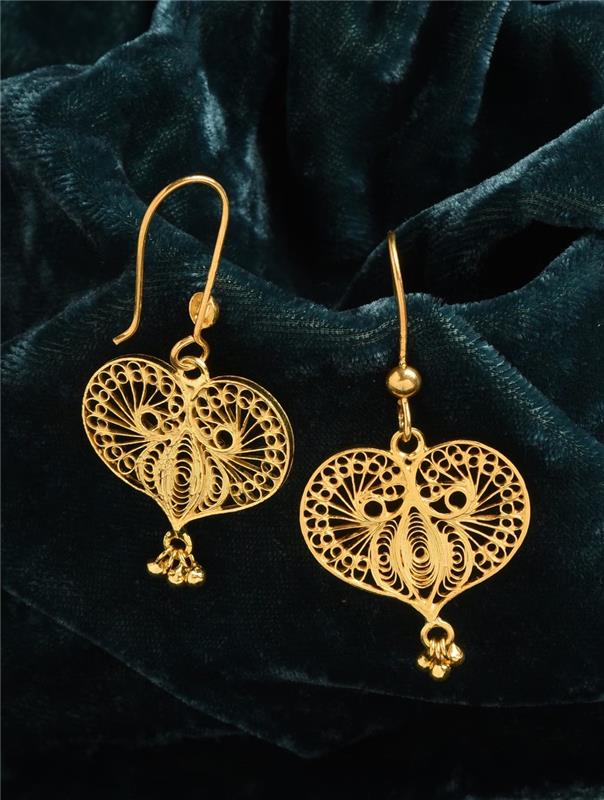
If early European travellers called it “metal lace,” you can imagine the wonder that Tarakashi, Hyderabad’s 17th-century silver filigree, inspired. Artisans draw silver into threads finer than hair, shaping them entirely by hand without molds. Perfect symmetry was traditionally avoided, as slight irregularities proved a piece was handmade. Tarakashi was often commissioned to mark coronations, alliances, and births, turning jewelry into a record of history. Its quiet elegance mirrors the refined court culture immortalised in Deccan miniature paintings and chronicles.
Bidri Jewelry
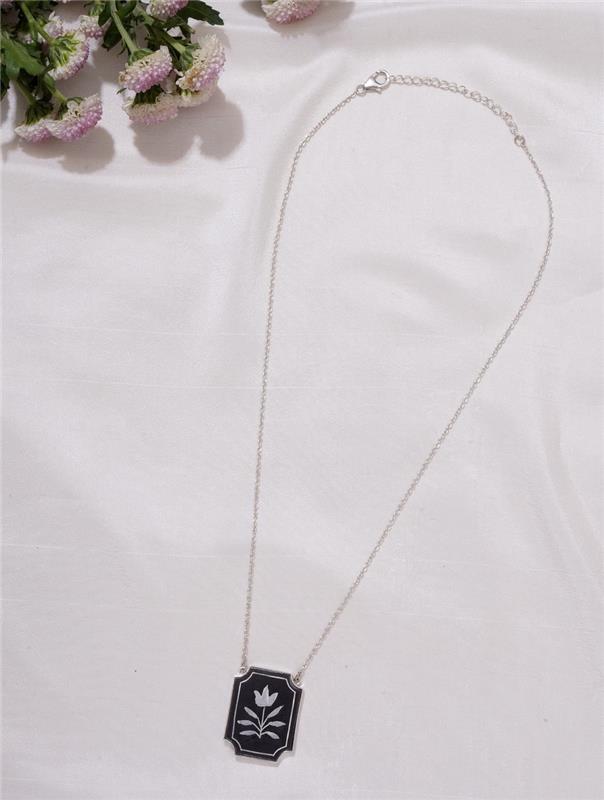
Bidriware’s deep black surface has a secret: soil found only within Bidar fort in Karnataka, reacting chemically with the metal alloy to produce its signature hue. Originating around the 14th century, this craft combines that unique soil with silver inlay hammered by hand, allowing each piece to age uniquely. Bidriware appears in historical texts describing Deccan sultanates and royal exchanges, prized for contrast and mystery. Every piece literally carries the geography of Bidar, a jewelry that is as much shaped by the land as by human hands.
Patra Jewelry
In the temple towns of Madhya Pradesh, around the 10th century, Patra jewelry emerged as a lighter, more accessible form of adornment. Thin sheets of metal were hammered and embossed to create intricate motifs inspired by nature, leaves, buds, flowing water, and sacred geometry. Worn during long rituals and festivals, these pieces proved that restraint could be as expressive as opulence. Patra jewelry reflects the quiet devotion of the wearer, echoing literature that values humility, intention, and the beauty of simplicity.
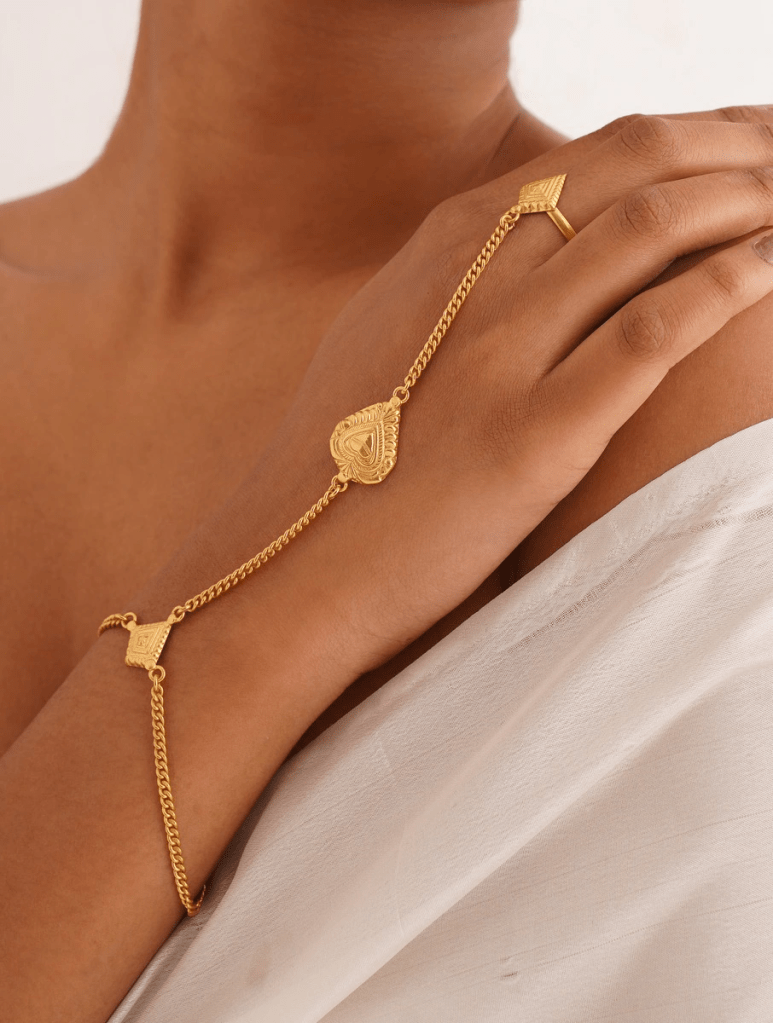
Jewelry is meant to be lived in, warmed by skin and present through life’s most meaningful moments. At Jaypore, every piece begins with the hands of Indian artisans and the traditions they carry forward, shaped by centuries of culture and craft. Created not for a season but for a lifetime, Jaypore jewelry is meant to be worn with love, cherished over time, and passed on as a legacy. Because every jewel holds a story, and at Jaypore, every story is worth preserving.



 Storytellers of Wonder
Leave a comment