
Long before textiles became fashion statements, they were tools for survival. In the desert region of Kutch, the village of Bhujodi grew around this very idea. Rooted in a 500-year-old tradition, weaving here evolved to meet the needs of nomadic communities, shaping a craft that is both practical and deeply expressive. Today, Bhujodi is celebrated for its handwoven textiles, but its true story lies in the living culture of craft, community, and shared memory.
Table Of Content
- A Living Craft Culture
- Patterns Born from Movement and Purpose
- The Rhythm of the Loom: Process and Technique
- From Necessity to Contemporary Relevance
- Preservation Through Evolution
A Living Craft Culture
Bhujodi is often described as a weaving village, yet its identity is shaped by a network of relationships that extend far beyond the loom. For centuries, the craft here has been practiced by the Vankar community, who historically wove textiles for the nomadic and pastoral groups of Kutch.
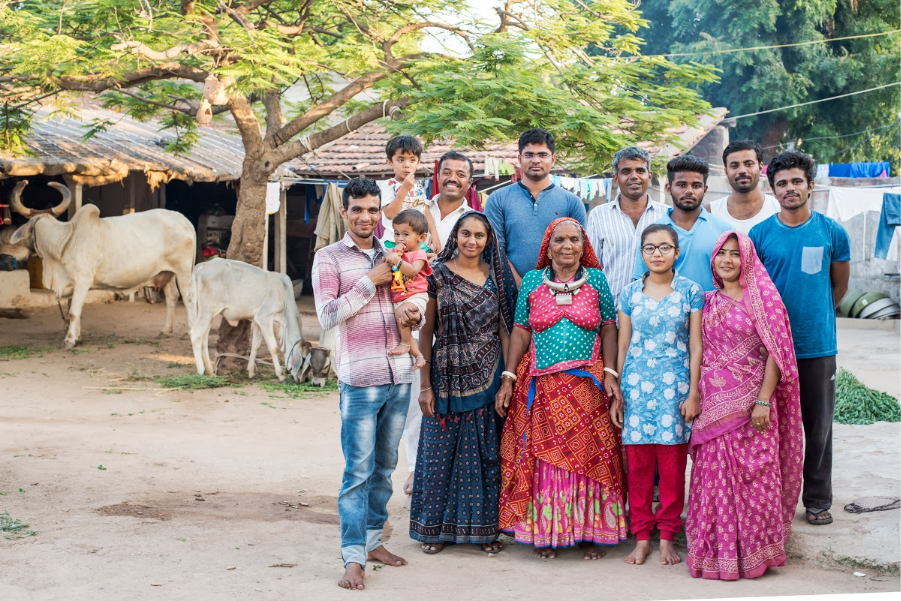
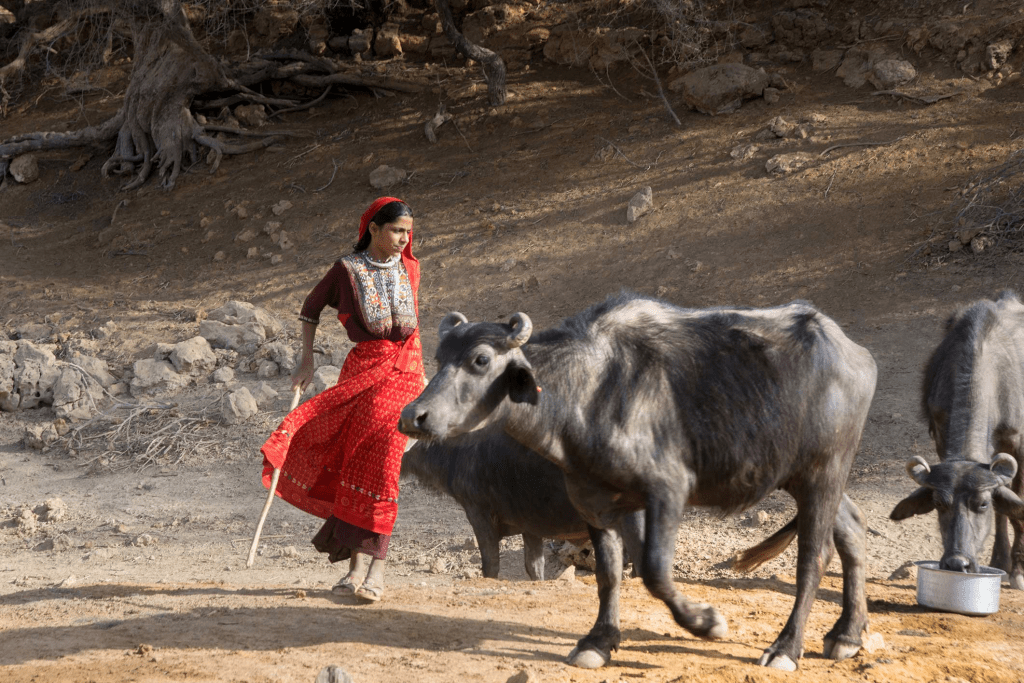
These weavers worked closely with communities such as the Rabari and Maldhari, who relied on durable woven cloth for daily life. Wool from their sheep became yarn, which the weavers transformed into shawls, blankets, and wraps suited to the desert’s changing climate. In return, the pastoralists often provided raw wool, creating a mutually dependent ecosystem where craft and livelihood were deeply intertwined.
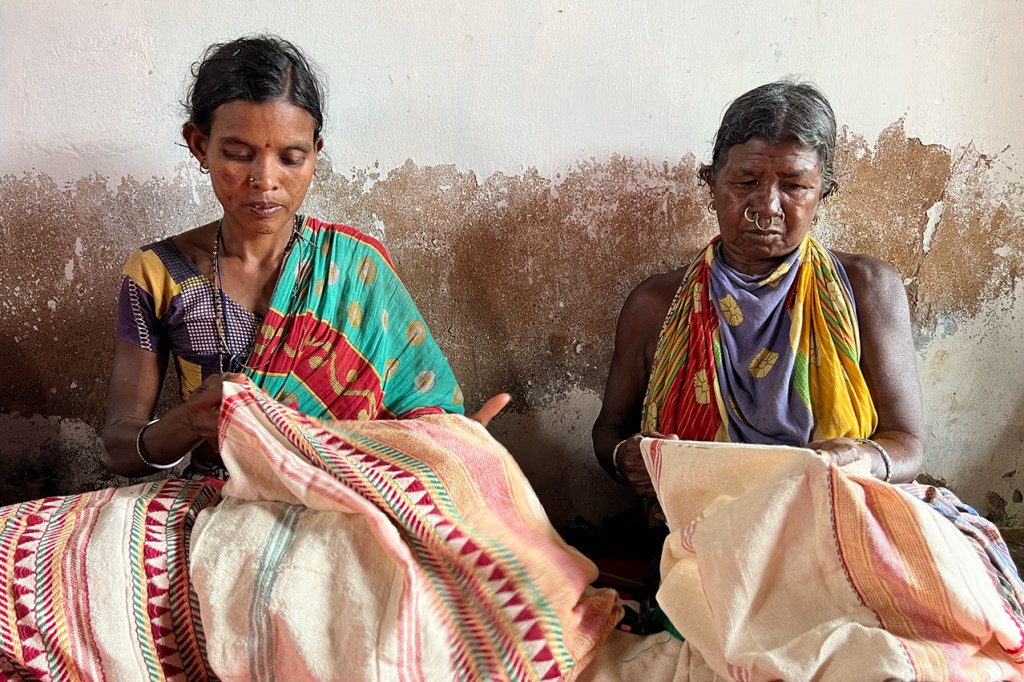
An interesting fact is that traditional weavers in Bhujodi rarely worked in isolation. Families lived and worked together, and the rhythm of weaving was often shared across households. Even today, visitors walking through the village can hear the steady click of wooden looms echoing from homes and courtyards.
Patterns Born from Movement and Purpose
The geometry of Bhujodi textiles is instantly recognizable. Stripes, checks, and bold borders define their visual language. Minimal and modern to today’s eye, these patterns were originally born from practicality.
For pastoral communities constantly on the move across the vast desert, textiles needed to be durable, easy to maintain, and easy to identify. Stripes and checks were more than decoration. They helped hide dust and wear, and allowed garments and blankets to be recognized at a glance within the community.
Borders often carried subtle variations unique to specific weaving families, functioning almost like a signature. A trained eye could tell the maker or the region simply by observing the arrangement of stripes.
Many Bhujodi shawls were made to be reversible, adding versatility and extending their lifespan. This was sustainable design long before sustainability became a word on everyone’s lips. Beauty and utility have always gone hand in hand.
The Rhythm of the Loom: Process and Technique
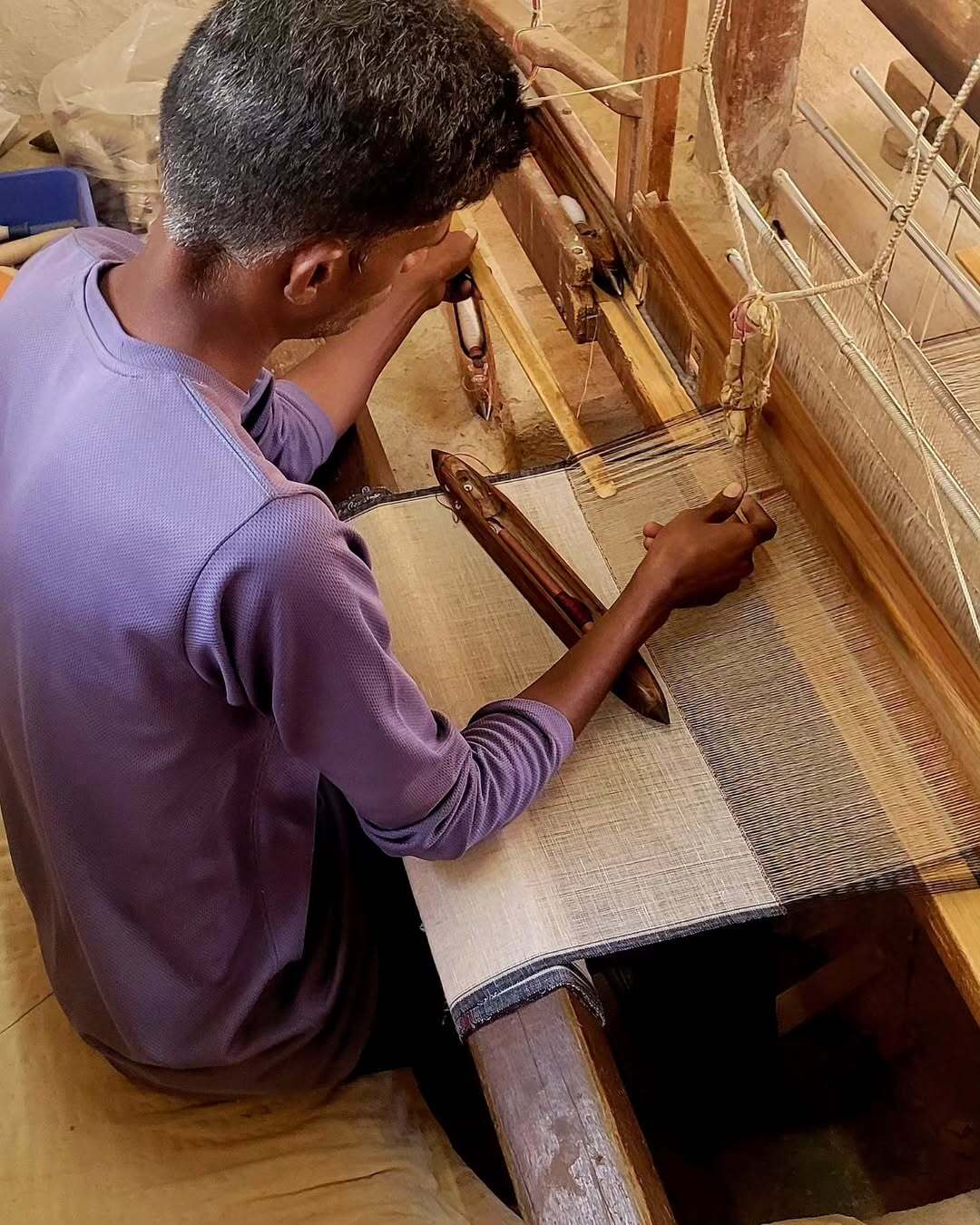
To watch a Bhujodi textile take shape is to witness patience in motion. The craft unfolds step by step, guided by skill passed down through generations.
1. Preparing the Yarn
The journey begins with yarn, traditionally wool or cotton. The fibres are cleaned, spun, and sometimes dyed before they ever reach the loom. Natural hues such as indigo, earthy browns, and muted reds echo the desert landscape of Kutch.
2. Setting the Warp
The warp threads form the backbone of the textile. They are stretched tightly across the loom in a careful arrangement. This stage demands precision, as the alignment determines the strength and structure of the fabric.
3. Beginning the Weave
Once the loom is ready, the weaver begins the rhythmic process of weaving. A wooden shuttle carries the weft yarn back and forth across the warp threads. After each pass, the threads are pressed firmly into place using a beater, gradually building the fabric row by row.
4. Creating Signature Patterns with the Extra Weft Technique
What makes Bhujodi textiles distinctive is the use of the extra weft technique. Additional coloured threads are inserted at precise points to create stripes, borders, and small motifs. These patterns are rarely drawn beforehand. Instead, experienced weavers rely on memory and instinct, counting threads and repeating sequences learned over years. This technique gives the textiles their characteristic rhythm, depth, and charm.
5. Finishing the Textile
Once the weaving is complete, the fabric is carefully removed from the loom. Edges are secured, and decorative tassels are sometimes added. The finished textile is then inspected, each irregularity quietly reflecting the human hand behind it.
From Necessity to Contemporary Relevance
For centuries, Bhujodi textiles were woven purely for utility. Shawls protected against desert nights, blankets warmed travellers, and wraps served as daily clothing.
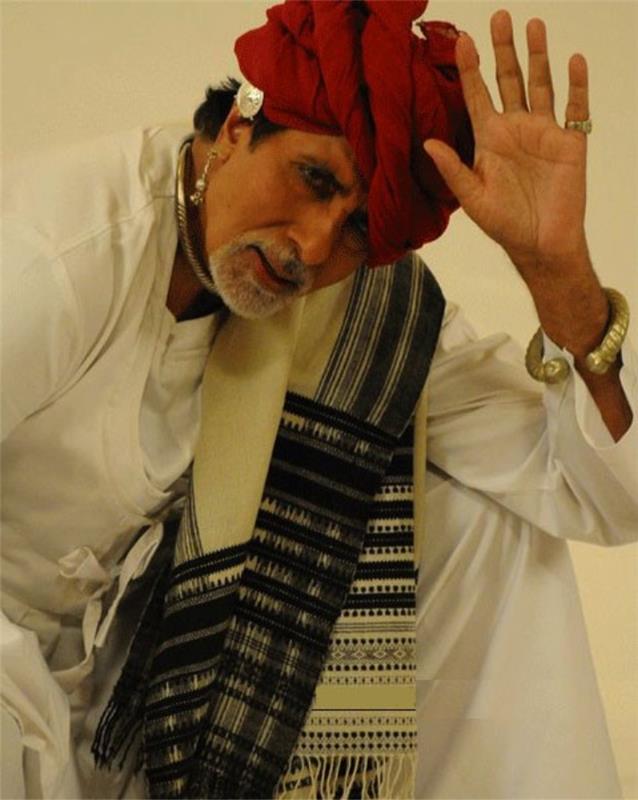
Over time, however, the craft began to evolve. As handloom gained recognition beyond local markets, Bhujodi weavers started adapting their techniques for contemporary needs. The same weaving methods once used for pastoral shawls are now seen in modern scarves, garments, and home textiles.
Designers and craft organisations have also collaborated with the weaving community, helping reinterpret traditional patterns for global audiences while preserving the essence of the craft.
Preservation Through Evolution
What makes Bhujodi truly unique is its ability to adapt without losing its roots. Rather than treating tradition as something fixed in the past, the community views it as a living practice that can grow with changing times.
Young weavers continue to learn the craft from older generations, often experimenting with new colour palettes, fibres, and products. This openness to innovation ensures that the craft remains economically viable and culturally relevant.
In many ways, Bhujodi represents the future of heritage crafts. It shows that preserving tradition does not mean freezing it in time. Preservation means allowing it to evolve while staying connected to the people, materials, and stories that shaped it.
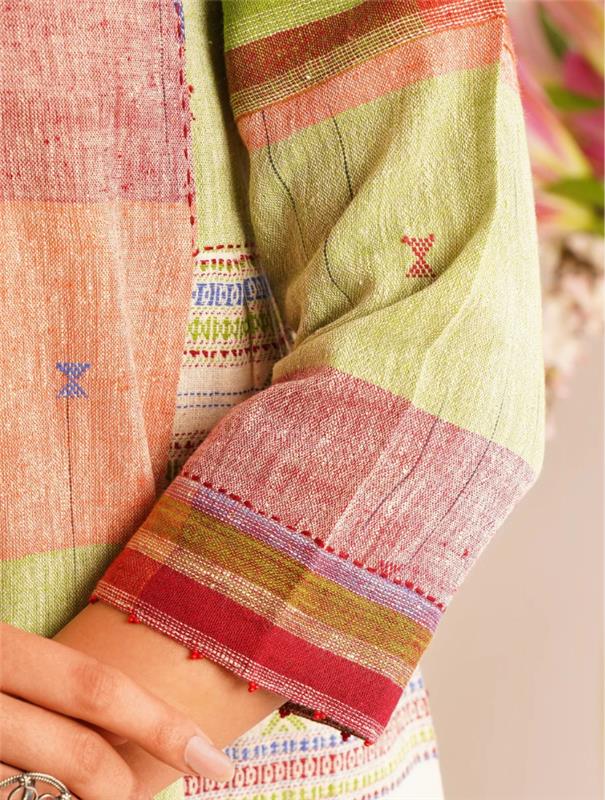
At Jaypore, we celebrate this living heritage. Every stripe, every irregular thread, and every patient movement of the loom reflects a craft that is not just about making objects, it is about sustaining a way of life, one weave at a time. Through our curated collections, the spirit of Bhujodi finds a home in modern wardrobes, bringing centuries of skill, story, and soul to your everyday style.


 Storytellers of Wonder
Leave a comment