
Have you ever stopped to wonder where the patterns on your clothes really come from? Beyond design studios and seasonal trends, many textiles carry the whispers of landscapes, communities, and generations of skilled hands. The textiles of the Dongria Kondh, an Indigenous community in the lush Niyamgiri Hills of Odisha, are one such story. Here, fabric is more than material. It is identity, heritage, and a reflection of life lived in harmony with nature.
Table Of Content
- Table Of Content
- The Origin
- Weaving Identity
- Nature as Inspiration
- The Crafting Process
- Women as Keepers of Tradition
- A Living, Breathing Tradition
The Origin
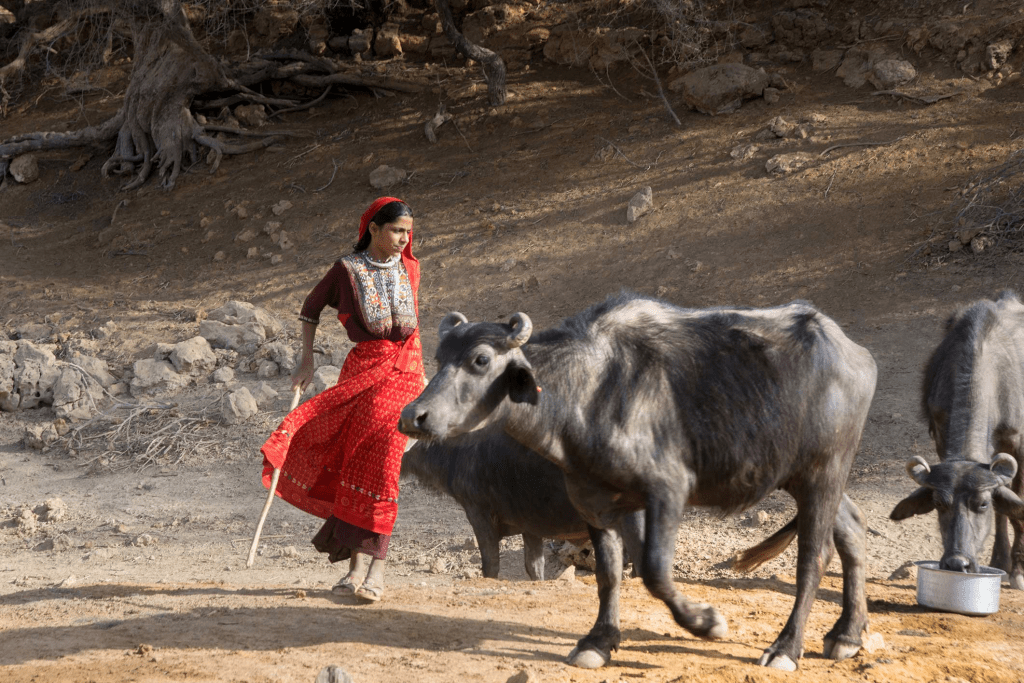
For centuries, the Dongria Kondh have made their home on the forested slopes of the Niyamgiri Hills. Their lives flow in rhythm with the land. Farming, gathering from the forest, and celebrating seasonal rituals are all part of a cycle that is as natural as the rising sun.
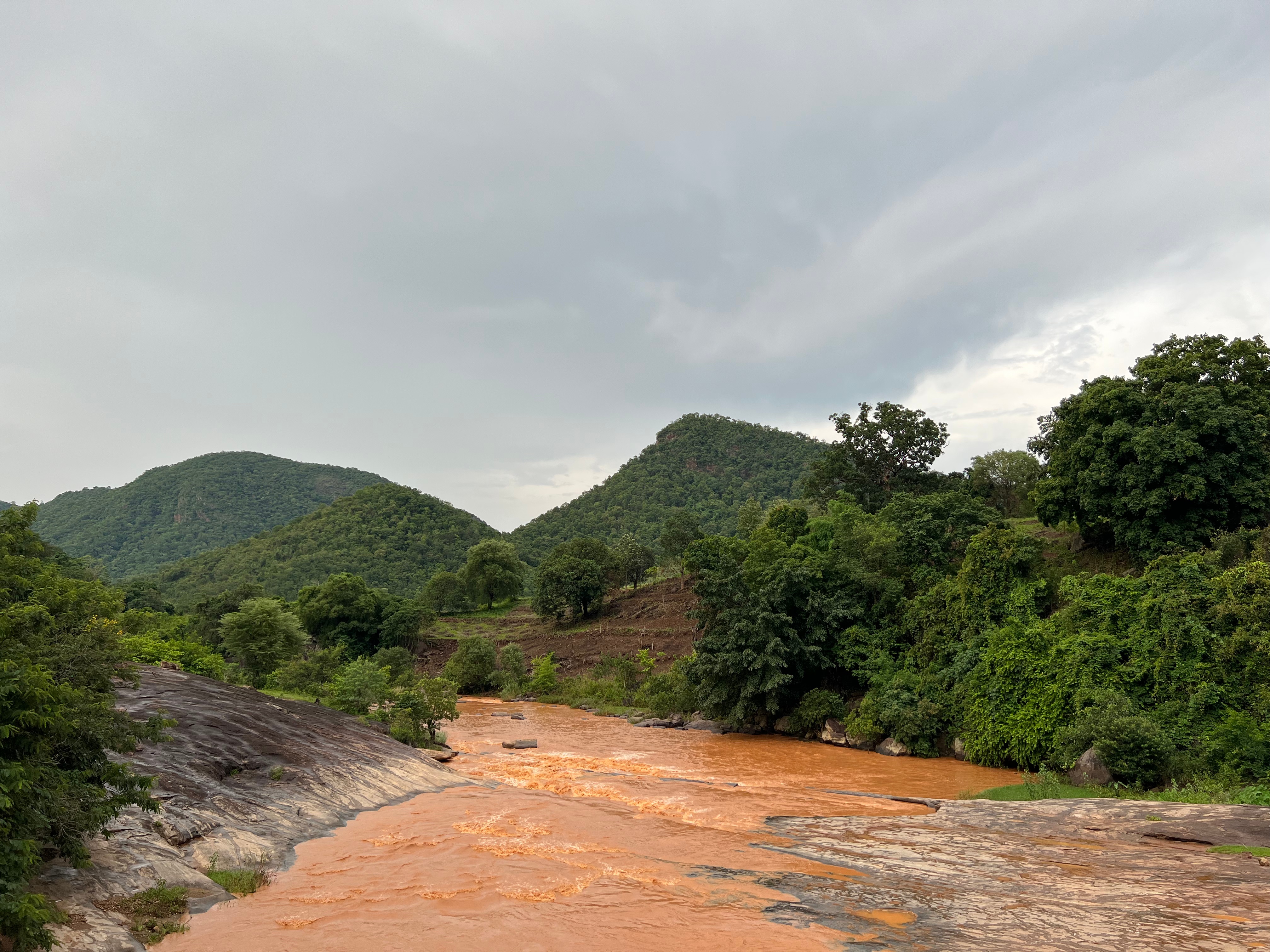
Textiles emerged naturally within this rhythm. Just as a river carves its own path over time, patterns, colours, and techniques evolved slowly across generations. Historical records from the 19th century mention the Dongria Kondh, but oral histories suggest that weaving was already a part of life long before that. Over time, textiles became a visual language, with stripes, earthy tones, and patterns that speak of place, community, and memory.
Weaving Identity
Among the Dongria Kondh, clothing is far more than decoration. It tells a story of belonging and pride. These textiles appear at festivals, ceremonies, and gatherings, carrying the soul of the community.
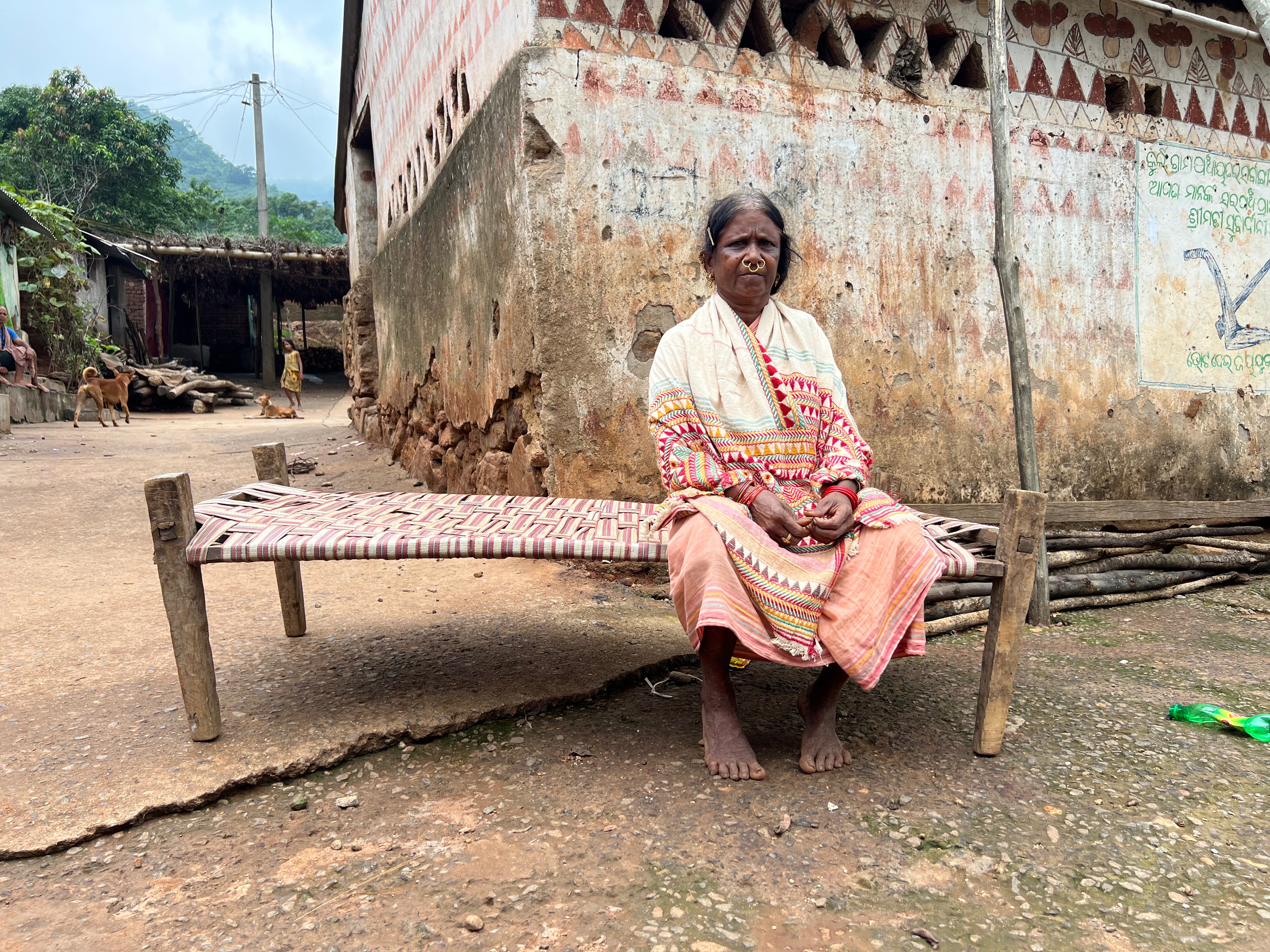
The stripes and patterns you see are not drawn beforehand. Instead, they are built slowly on the loom, one thread at a time, much like composing a handwritten letter. Each line and space reflects patience, care, and skill, giving the fabric a rhythm that mirrors the artisan’s heartbeat.
Nature as Inspiration
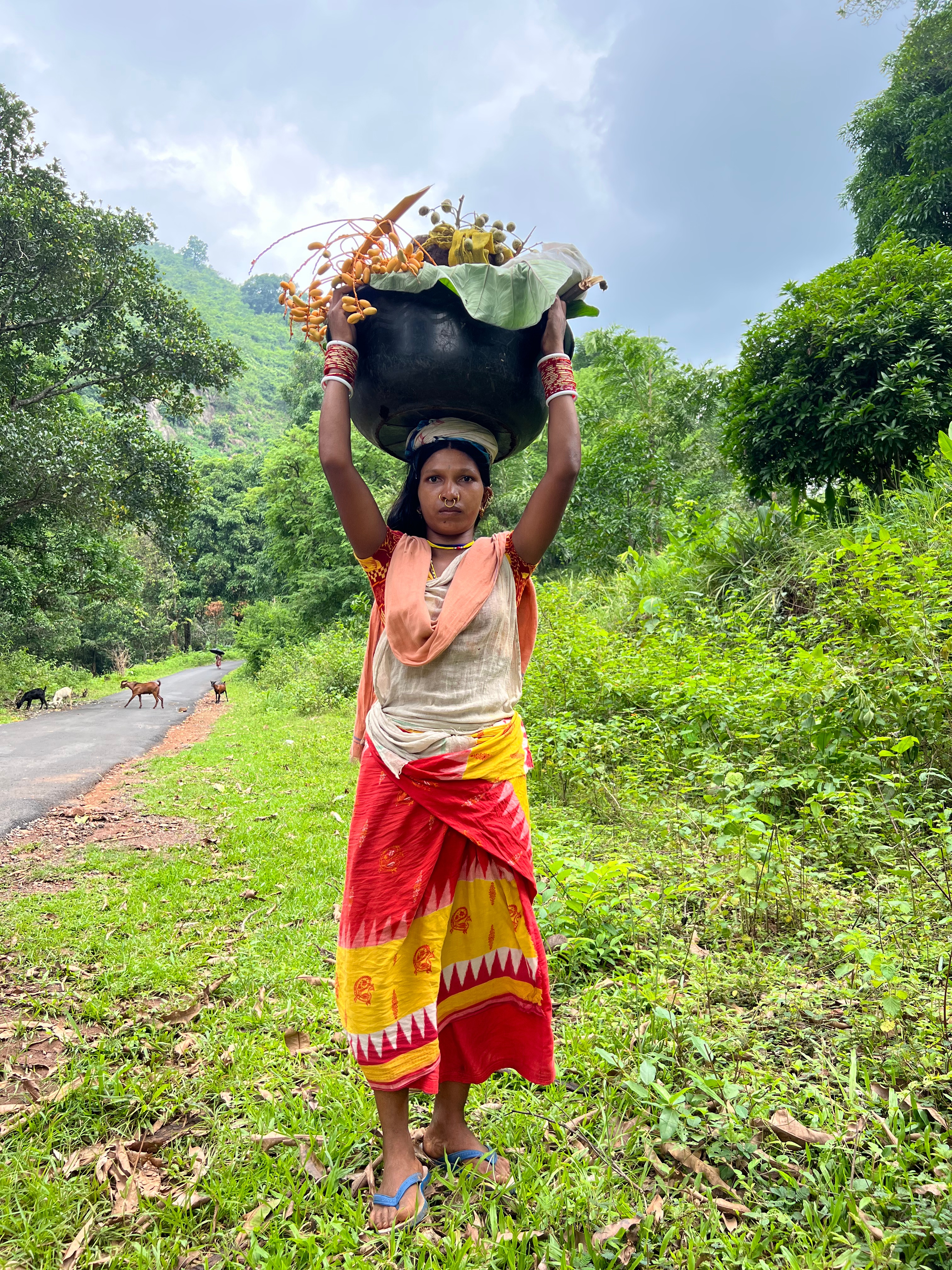
The Niyamgiri Hills are alive with inspiration. Deep greens echo the forest canopy. Earthy browns mirror fertile soil. Bright reds and oranges celebrate the vibrancy of fruits, flowers, and seeds found in the forest. Sometimes, the striped patterns mimic the layered hills themselves. Wearing a Dongria textile is like wearing a small piece of the hills, carrying a fragment of the landscape wherever you go.
The Crafting Process
The creation of a Dongria textile is a journey of patience and care.
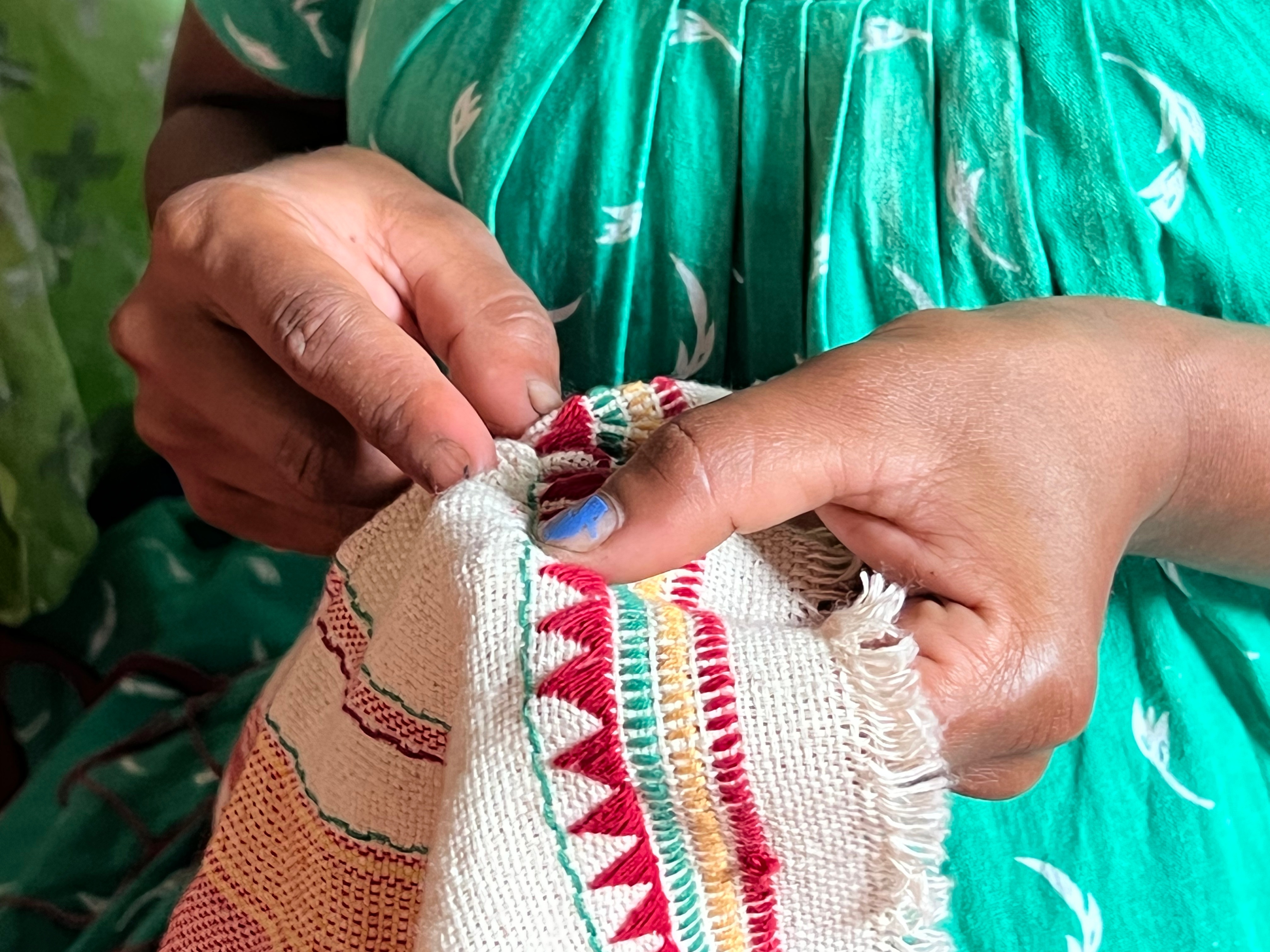
- Preparing the Cotton Yarn: Artisans carefully select, clean, and twist the cotton yarn, readying it for dyeing and ensuring it is smooth and strong.
- Natural Dyeing: Colors are drawn from forest plants, tree bark, and minerals, producing warm, earthy tones that give each textile its signature character.
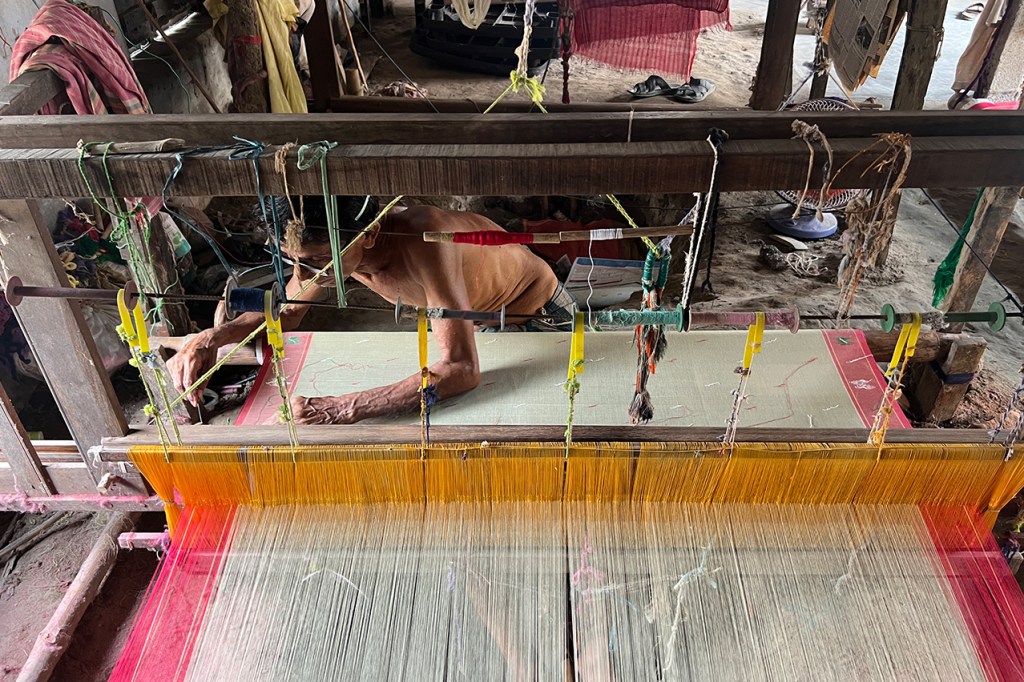
- Setting Up the Loom: The dyed yarn is stretched across a simple loom, often placed in homes or courtyards. Modest as it appears, the loom allows remarkable precision.
- Weaving Stripes and Patterns: Threads move steadily through the loom as artisans build intricate stripes and patterns with deliberate care.
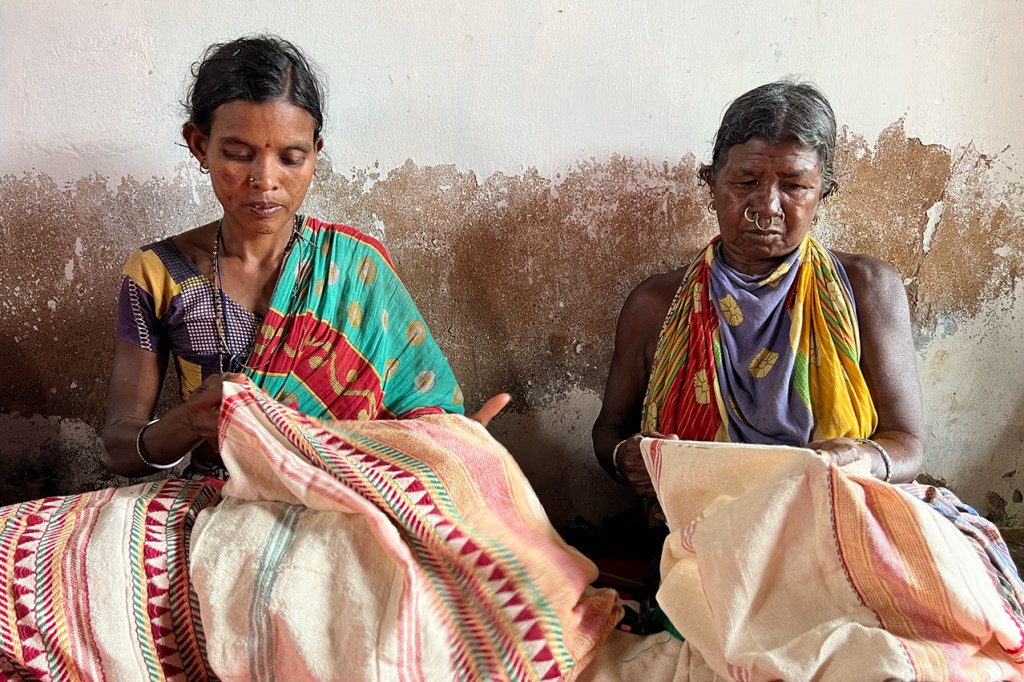
- The Meditative Rhythm: Weaving develops a rhythmic, almost meditative flow. Hands guide each thread steadily, transforming yarn into fabric with patience and focus.
- Finished Textile: The completed fabric carries hours of skill and labor, reflecting the artisan’s dedication in every thread.
These textiles then move into daily life. They are worn while farming, celebrating, and gathering with the community, each piece collecting memories over time, much like a diary written in fabric.
Women as Keepers of Tradition
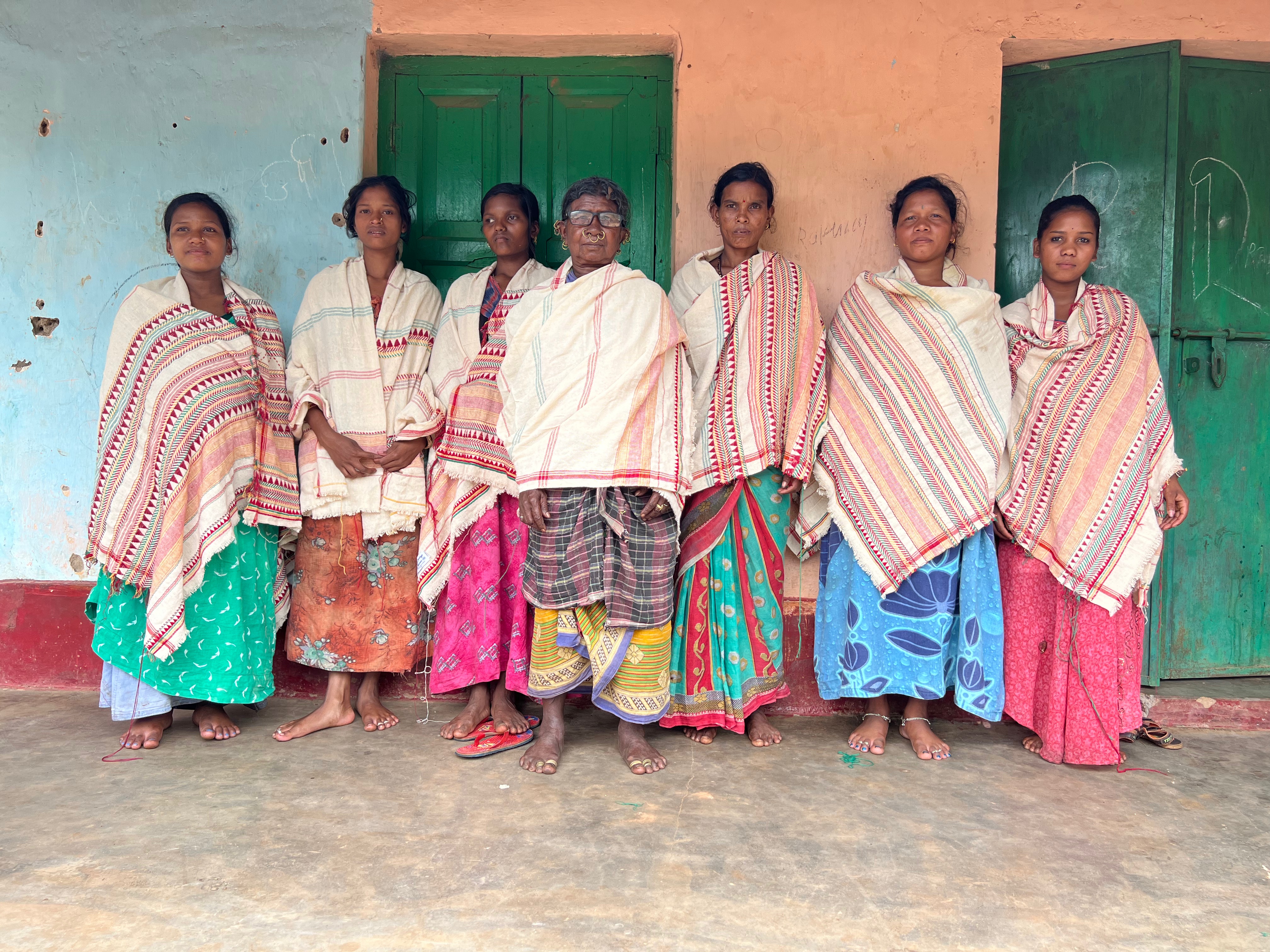
Women are the heart of this craft. Skills pass from mothers and grandmothers to daughters and granddaughters through observation, stories, and shared time. Young girls watch, absorb, and learn the techniques along with the meaning behind each pattern. These lessons are much like bedtime stories. They pass on knowledge, culture, and memory all at once.
A Living, Breathing Tradition
Dongria textiles continue to thrive because the community respects both tradition and the sacred land around them. The hills shape the colors, the patterns, and the spirit of every textile.
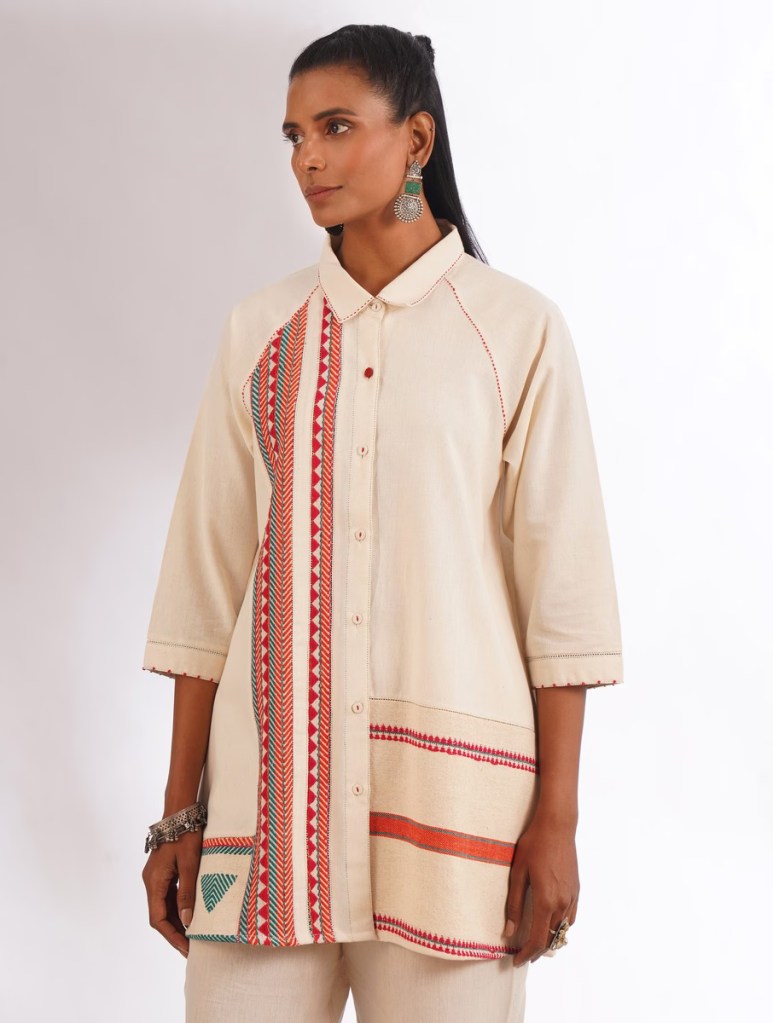
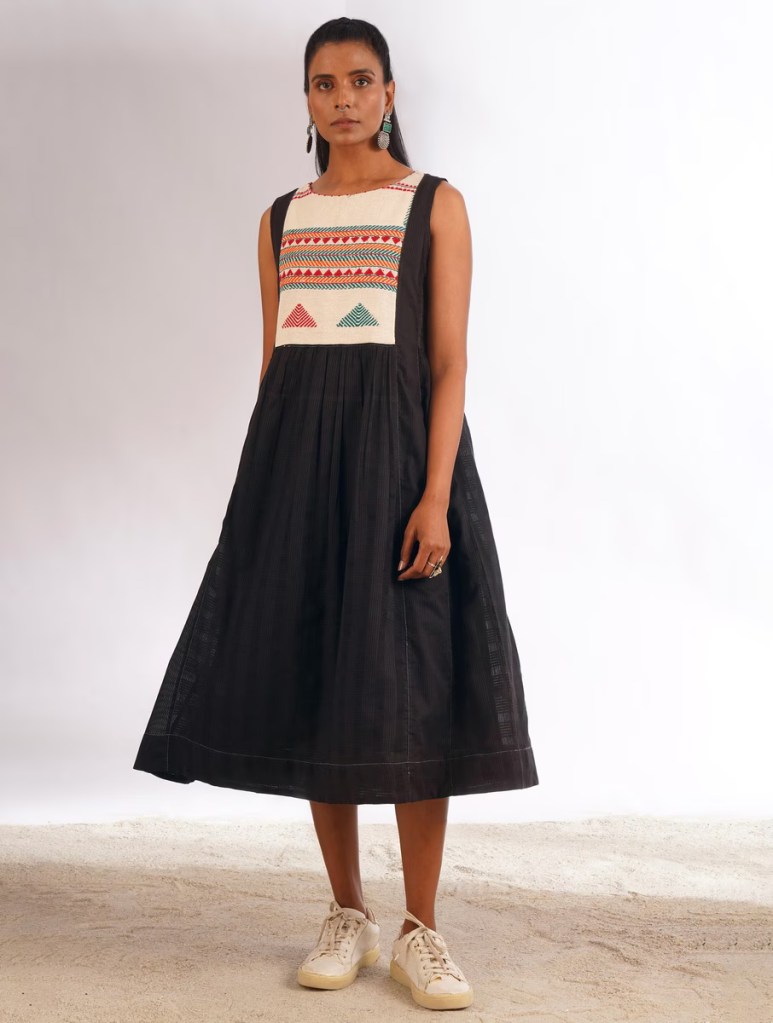
At Jaypore, textiles like these are reminders that every piece we wear carries a story, a story of people, landscapes, and time. By celebrating and supporting such crafts, we bring the richness of India’s artisanal heritage into our lives, reminding us of the human touch behind every thread.

 Storytellers of Wonder
Leave a comment