
Maya’s denim jacket had a rip near the pocket. Her first instinct? Toss it. Her mother offered to iron a patch over it. Her friend suggested turning it into a tote bag. Everyone, without realizing it, was upcycling. We all do it. The heavy saree hemmed into a lehenga skirts. The chipped mug that becomes a pen stand. Toothpaste tube cut open to scrape out the last bit. Biscuit tin becoming the sewing kit. We call it jugaad, or creativity, or just “waste not.”
But Nani had another word for it. She just didn’t use any word at all. “Nani, why are you cutting Baba’s old dhoti?” Maya once asked, watching her grandmother’s scissors move with steady certainty. “It’s soft now,” Nani said simply. “Took years to get this soft. Why waste that?” Piece by piece, she layered worn saris, old dhotis, frayed borders, stitching them together with small running loops across the surface. Not hiding the age of the cloth. Honoring it. Like saving voicemails you can’t bring yourself to delete. Like keeping a childhood book with broken spine and scribbled margins. Some things earn their softness. Some things earn their keeping.That quilt, heavy with memory and use, is what people today would photograph for Instagram under #sustainableliving.
Nani just called it a Kantha.Long before capsule wardrobes and zero waste challenges, Bengali women were doing what every generation knows: nothing that has lived its life fully should simply disappear.
Table Of Content
- What is Kantha Embroidery?
- Origin and History of Kantha Embroidery
- Types and Styles of Kantha Embroidery
- How Kantha Embroidery is Made: A Step by Step Guide
- Cultural Significance and Place in Indian Textile Heritage
- Frequently Asked Questions
What is Kantha Embroidery?
At its core, Kantha is a style of hand embroidery where multiple layers of fabric are stitched together using a simple running stitch. The result is a slightly crinkled, quilt like surface that is soft, durable and visually rich. Traditionally used to make quilts and wraps, Kantha today appears on sarees, stoles, kurtis, jackets, bags and home textiles.
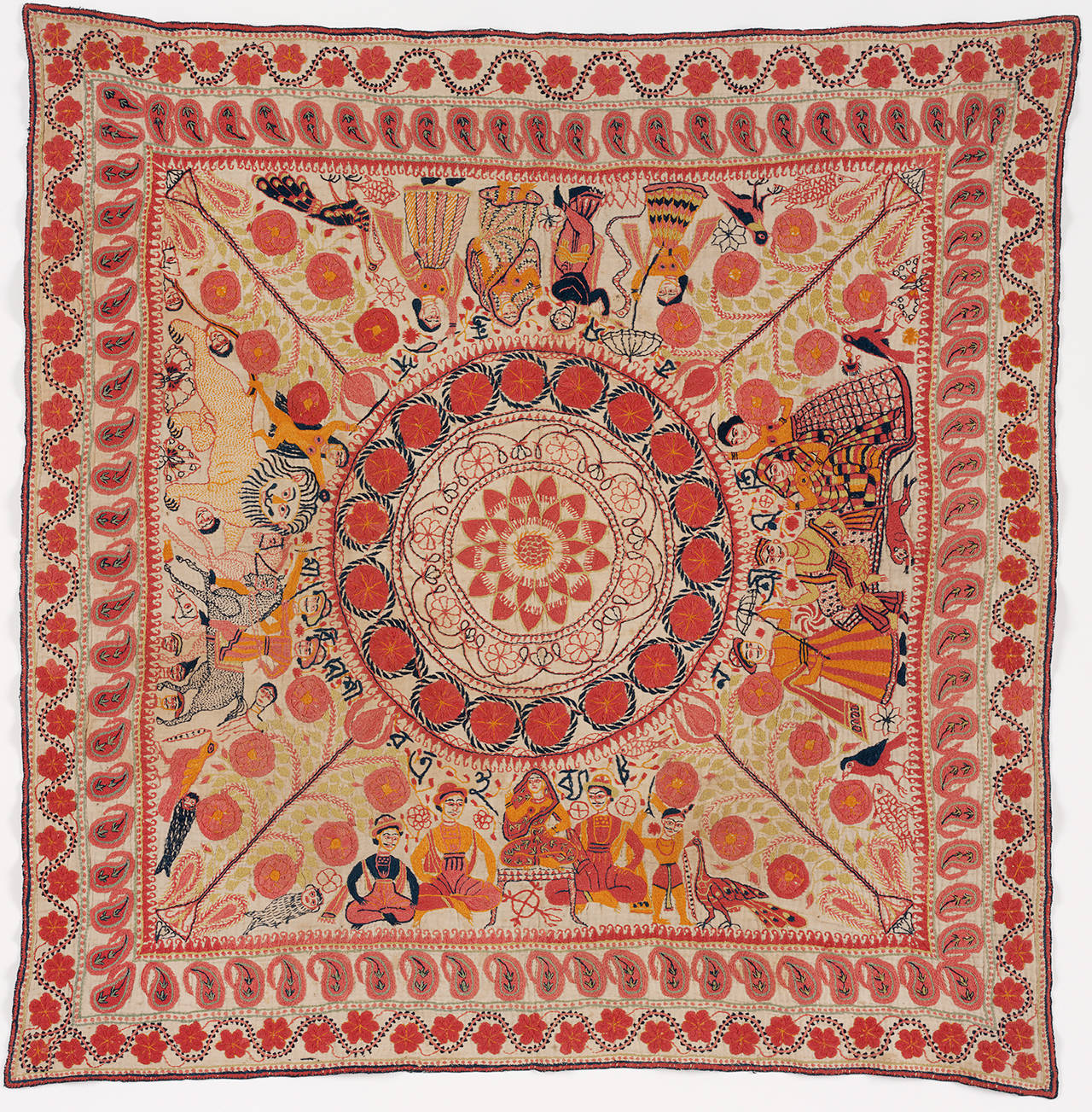
The word “Kantha” is derived from the Sanskrit word kontha, meaning rags or old cloth. This etymology tells the whole story of the craft. It began as an act of resourcefulness, where women in rural Bengal would layer worn out sarees and dhotis and stitch them together to create warm, usable quilts for their households. Nothing was wasted. Every scrap of cloth was given a second life through needle and thread.
Origin and History of Kantha Embroidery
It is one of the most recognised forms of hand embroidery in India. Originating in the eastern states of West Bengal and Bihar, the roots of Kantha embroidery stretch back over 2,000 years. Some historians trace references to Kantha like stitching in ancient Bengali literature and Buddhist texts. However, the craft as we know it today flourished primarily during the medieval period across rural Bengal, including parts of present day Bangladesh. For centuries, Kantha was exclusively a domestic craft practised by women. Grandmothers and mothers would sit together during leisure hours, stitching memories and motifs onto cloth, gifting finished pieces at weddings, births and religious ceremonies.
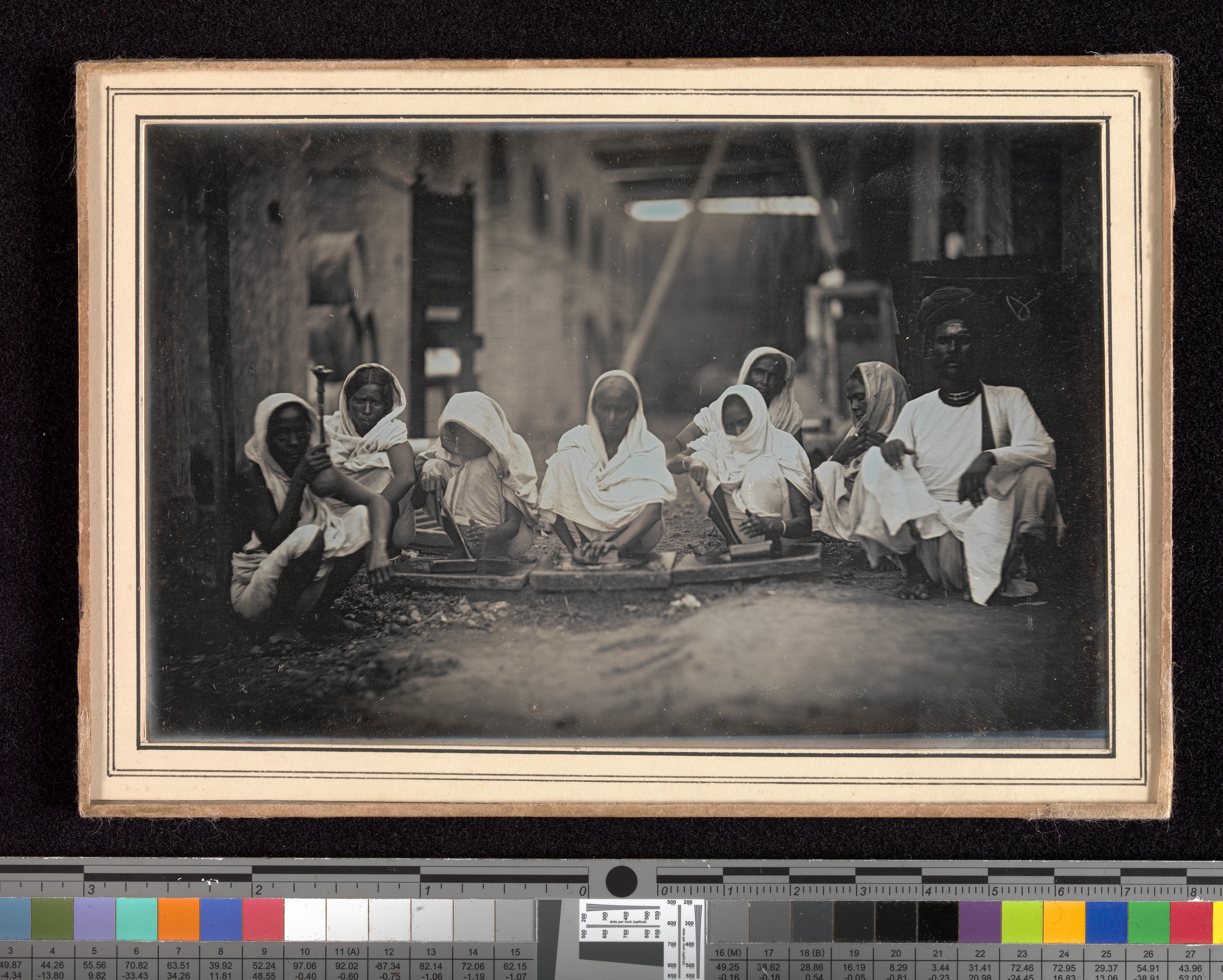
Source: The Metropolitan Museum of Art, New York, Gilman Collection, Purchase, Cynthia Hazen Polsky Gift, 2005 (2005.100.69)
Each Kantha told a personal story through its imagery. The shift from domestic craft to commercial art form began in the 20th century, particularly after the partition of Bengal in 1947, which disrupted many artisan communities and pushed craftswomen to seek livelihood through their skills. NGOs, government bodies and design institutions began documenting and promoting Kantha, which brought it to urban markets and eventually to international buyers. Modern Kantha retains the handmade soul of its origins while adapting to contemporary aesthetics. Designers now collaborate with Kantha artisans to create fusion collections that appear on global runways.
Types and Styles of Kantha Embroidery
One of the most fascinating aspects of Kantha is how many distinct styles exist within the same tradition. Each style has a specific use, form and regional variation.
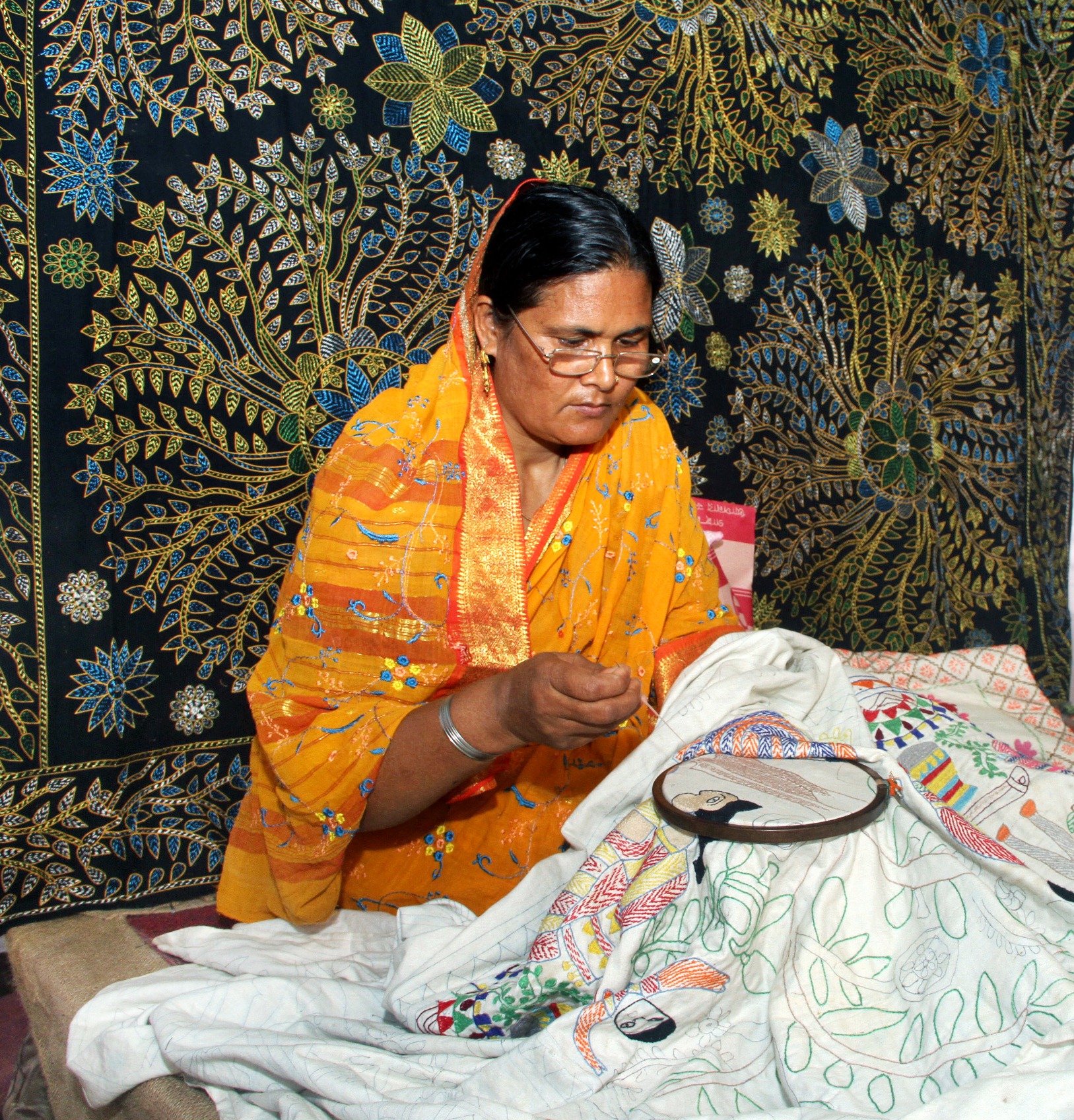
- Nakshi Kantha is the most celebrated and widely known form. The word “Nakshi” refers to decorative patterns, and these pieces feature intricate motifs drawn from nature, mythology and everyday village life. Lotus flowers, fish, elephants, the tree of life and scenes from epics like the Ramayana are common themes. Nakshi Kantha pieces can take months or even years to complete and are considered collectors items.
- Sujni Kantha is used as a decorative bedspread or floor covering. It is typically larger in size and features repetitive geometric or floral patterns spread across the entire surface.
- Baiton Kantha is a square or rectangular wrapper cloth traditionally used to wrap books, valuables or sacred objects. Its smaller size makes it a popular choice for gifting.
- Lepkantha was the original utility quilt, made from multiple layers of old cloth stitched together for warmth. This is the most basic and ancient form of Kantha, closest to its humble origins.
- Oarchh Kantha is a pillow or bolster cover, while Durjani Kantha refers to small purse like pouches made using Kantha stitching. Each form reflects a specific domestic need that women addressed through their craft.
How Kantha Embroidery is Made: A Step by Step Guide
Making of this craft, is a beautifully simple process that has remained largely unchanged for centuries.
Step 1: Gather Your Materials All you need is cotton or silk fabric, colorful embroidery thread and a basic hand sewing needle. Traditionally, artisans recycled old sarees as fabric and pulled thread from their colored borders. Simple, accessible and waste free.
Today, artisans work on fresh cotton and silk fabrics using commercially available embroidery thread in a wide range of colours. The needle used is a standard hand sewing needle, requiring no special tools. The craft remains accessible and low tech, which is part of its democratic appeal.
Step 2: Layer the Fabric Two or more layers of fabric are stacked on top of each other. This layering gives Kantha its signature soft, quilted feel.
Step 3: Start the Running Stitch The needle goes in and out of the fabric in a continuous rhythm, creating what looks like a dotted line of thread on the surface. This one stitch is the foundation of everything in Kantha.
Variations of the running stitch include diagonal stitching, wave patterns, concentric circular stitching and cross hatching. Skilled artisans use these variations to fill in figures, create shading effects and add movement to their designs.
Step 4: Build the Pattern By changing the direction of the stitch, the artisan creates different effects. Straight lines create texture, curves form flowers and circles, diagonal stitching adds depth and cross hatching fills in solid figures and shapes.
Step 5: Cover the Surface As thousands of tiny stitches accumulate across the cloth, the fabric begins to gather and crinkle slightly, creating that distinctive Kantha texture you can both see and feel.
The result is a fully hand stitched surface where no two pieces are ever identical, because every hand moves differently.
Cultural Significance and Place in Indian Textile Heritage
Kantha holds a unique place in India’s vast textile tradition. Unlike many other Indian embroideries that developed under royal patronage, Kantha was always a craft of the common woman. It was made in homes, not workshops. It was gifted with love, not sold in markets. This grassroots origin gives it an emotional and cultural depth that few other textiles carry.
Today, Kantha is recognised as a symbol of Bengali cultural identity. It represents the resilience, creativity and skill of rural women who turned necessity into art. Museums in Kolkata, Dhaka and international institutions like the Victoria and Albert Museum in London have Kantha pieces in their permanent collections.
Kantha vs. Chikankari vs. Phulkari
It is worth understanding how Kantha differs from other celebrated Indian embroidery traditions.
Chikankari from Lucknow is a white on white embroidery worked on fine fabrics like muslin and georgette. It uses a far wider variety of stitches and is closely associated with Mughal court aesthetics. Kantha, by contrast, uses colourful threads, a single core stitch and has folk rather than courtly origins.
Phulkari from Punjab is a surface embroidery worked in silk thread on cotton cloth, characterised by bold geometric patterns and vibrant colours. While Phulkari covers the fabric surface with thread, Kantha works through the fabric layers, creating texture from within.
Each tradition is extraordinary in its own right, and understanding these differences helps buyers and enthusiasts make informed choices.
Frequently Asked Questions
Is Kantha embroidery handmade? Yes, entirely. Every stitch in an authentic Kantha piece is worked by hand. There are no machines involved in the embroidery process. This is what makes each piece unique and gives it the characteristic slightly uneven, human texture that machine embroidery cannot replicate.
How do you wash Kantha fabric? Always hand wash Kantha in cold water using a mild detergent. Avoid scrubbing or wringing the fabric, as this can distort the stitches. Lay flat or hang in shade to dry. Do not dry clean unless the garment label specifically recommends it.
How can you tell if Kantha is authentic? Look for slight irregularities in the stitching, which are a sign of handwork. Authentic Kantha will also have a soft crinkled texture across the surface. Machine printed Kantha imitations will have perfectly uniform patterns with no texture variation.
Kantha embroidery deserves to be worn, gifted and cherished, and Jaypore makes that easy. With a carefully curated collection of authentic Kantha pieces sourced from skilled artisans across West Bengal, Jaypore bridges centuries of craft with the needs of the modern wardrobe. Because some traditions are too beautiful to be left only in museums.

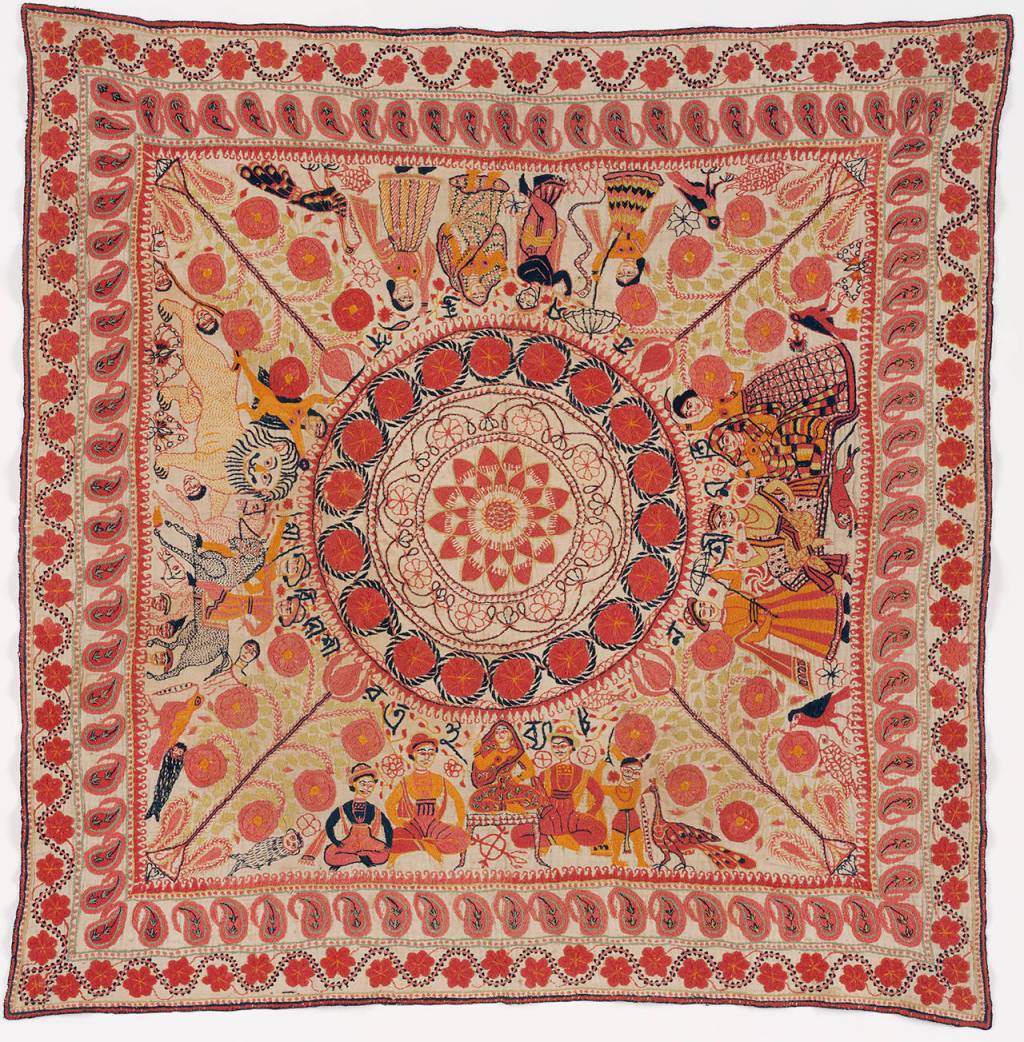
 Storytellers of Wonder
Leave a comment